In the ever-evolving landscape of healthcare, the selection of appropriate medical equipment remains pivotal. Among these, the choice of a medical bed stands out as a crucial decision, impacting both patient comfort and care delivery. With an array of options available, understanding the key considerations in choosing the right medical bed becomes imperative.
Understanding the Types
Medical beds come in various types, each designed to cater to specific needs. Adjustable beds, low beds, bariatric beds, and specialty beds are among the most prevalent. The choice depends on factors like patient mobility, medical requirements, and space constraints within the healthcare facility.
The specific classification of hospital beds is as follows 1. Single shaker
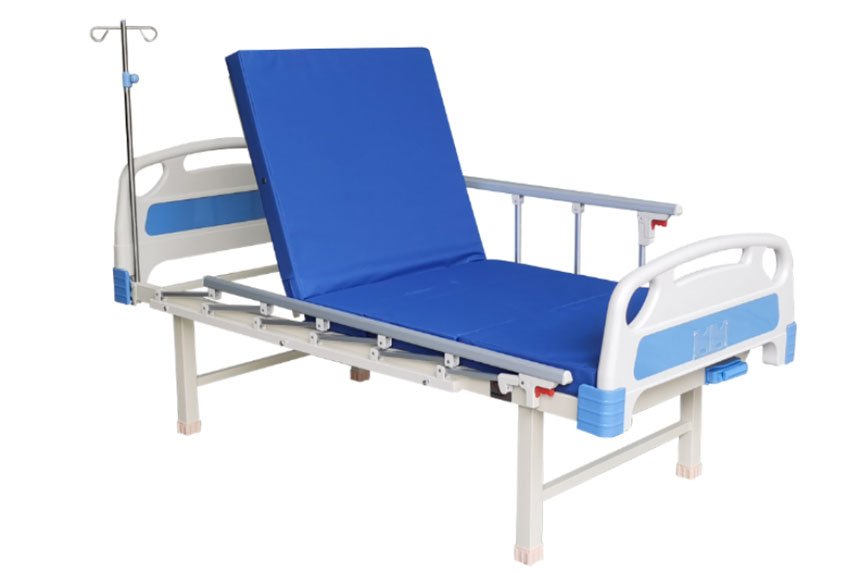
The purpose of a single shaker is relatively simple. It is mainly used by patients with relatively mild symptoms for recuperation. The back bed board of the single rocking bed can be raised from 0 to 65 degrees through the rocking handle. The patient can sit up in bed and rely on the backboard through the lifting function of the backboard. You can also put some daily necessities under the bed. 2. Double shaker
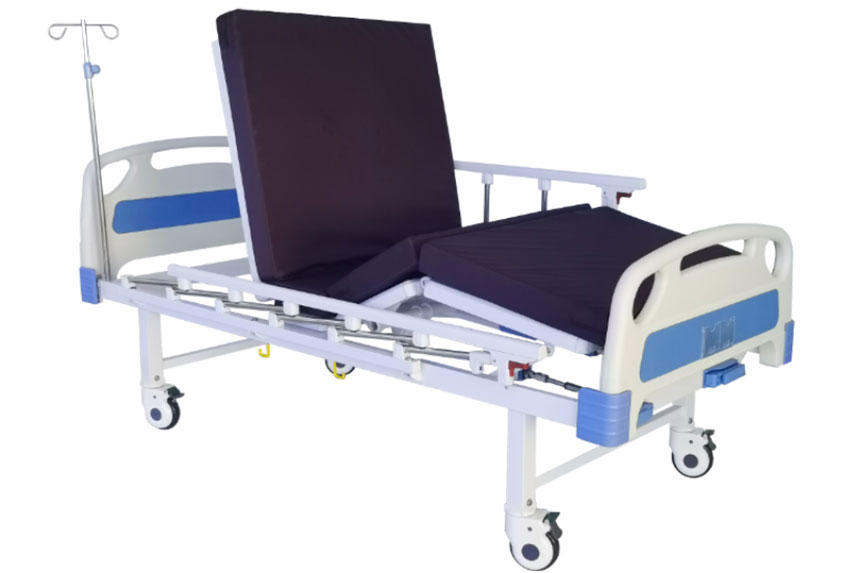
The double rocking bed has an additional leg lifting function than the single rocking bed. This kind of hospital bed is generally used by patients with leg diseases. Through the lifting and lowering function of the leg board, the patient can lift and bend the leg without having to lift the leg by force. 3. Three shakers
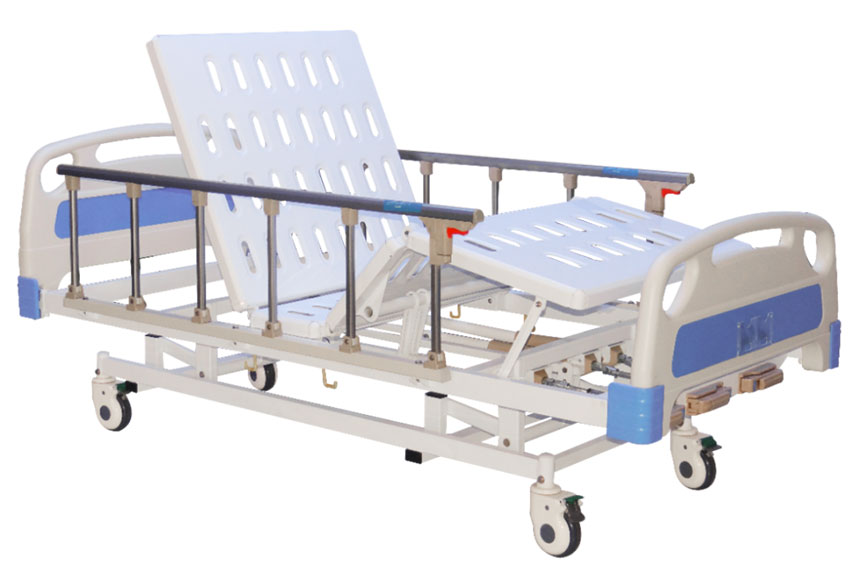
The functions of the triple shaker are more complex. In addition to the lifting function of the leg board and back board, the bed board can also have a lifting function. By shaking the handle, the bed board can be raised and lowered by 50 to 70 centimeters. Triple shakers are generally used clinically for seriously ill patients. 4. Hospital bed with dining table
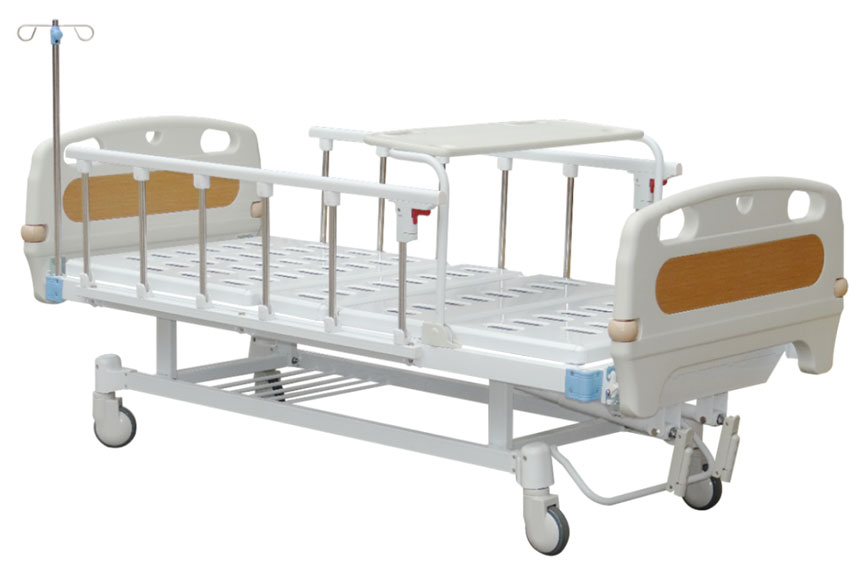
Hospital beds with dining tables are generally used for patients with limited mobility. This kind of hospital bed is equipped with a movable dining table at the end of the bed. By moving the table legs as the center radius, the dining table can be moved to the center of the bed for patients to use when dining. 5. Electric bed
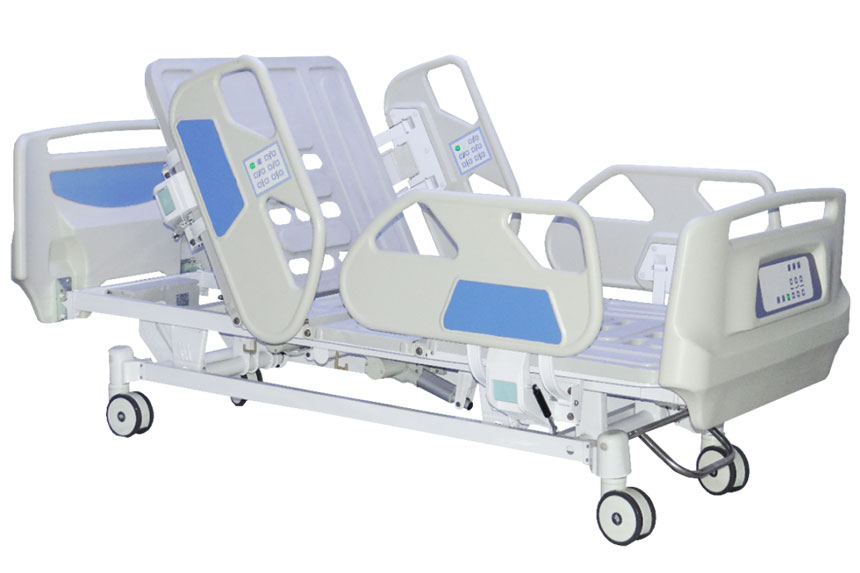 Multifunctional electric beds are used by critically ill patients who have difficulty even turning over. The multifunctional electric bed has comprehensive nursing functions and is flexible and convenient to operate. By operating the keyboard buttons, the bed can be raised and lowered and the bed board can be fanned up and down, which brings great convenience to the rescue of emergency and trauma patients. 6. Multifunctional electric nursing bed The biggest feature of the multi-functional electric nursing bed is that the patient can sit up in a real sense like a Taishi chair, and can move around accompanied by the nursing staff, which is convenient for nursing and suitable for rehabilitation patients. 7. Multifunctional turning care bed
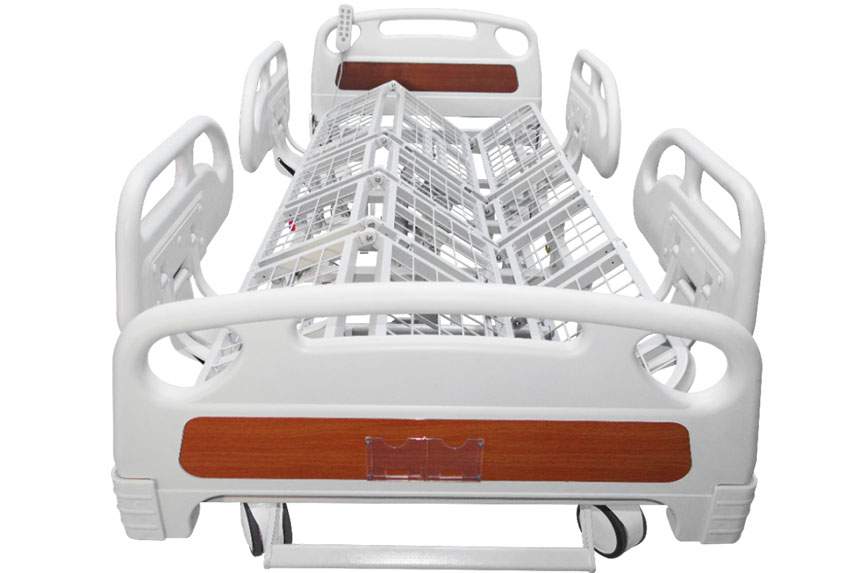
The multi-functional turning nursing bed is convenient for nursing and is suitable for use by critically ill patients and paralyzed patients. It can be turned left and right to prevent the occurrence of bedsores in critically ill patients.
Assessing Patient Needs
The primary consideration in selecting a medical bed is aligning its features with the patient's requirements. Factors such as mobility, comfort, and any existing medical conditions play a pivotal role. Patients with limited mobility might benefit from adjustable height or rails for added safety, while those prone to bedsores might require pressure-relieving surfaces.
Safety Features and Compliance
Safety remains paramount in medical care. Ensuring the bed meets safety standards and regulations is non-negotiable. Features like side rails, braking systems, and easy-to-use controls are imperative for patient safety. Compliance with guidelines ensures a secure and risk-free environment for patients.
Comfort and Ergonomics
A comfortable bed can significantly contribute to a patient's recovery. Factors such as mattress type, adjustability, and support surfaces must be considered. Some beds come with features like pressure redistribution surfaces, assisting in the prevention of pressure ulcers. Ergonomic design also enhances both patient comfort and caregiver assistance.
Maintenance and Durability
A durable bed with low maintenance requirements is an asset in any healthcare setting. Consider the ease of cleaning, repair availability, and warranties when making a selection. Investing in a bed with good longevity reduces replacement costs and ensures continuous care.
Budget Considerations
While ensuring patient care should be the priority, budget constraints are a reality. Balancing quality and affordability is essential. Assess the long-term benefits against the initial cost to make an informed decision. Factoring in operational costs and potential savings from added functionalities can aid in decision-making.
Seeking Expert Advice
Consulting with healthcare professionals and equipment specialists is invaluable. Their insights can offer clarity on specific patient needs and the suitability of different bed options. Collaborating with experts ensures a well-informed decision aligned with the healthcare facility's goals and patient requirements.
Conclusion
Selecting the right medical bed involves a comprehensive understanding of patient needs, safety requirements, comfort, durability, and budget considerations. The choice made profoundly impacts patient care and comfort, making it a decision that warrants thorough research and consideration.
In conclusion, the process of choosing a medical bed involves a multifaceted approach. By carefully evaluating the diverse range of options available and aligning them with the specific needs of patients, healthcare providers can ensure optimal care delivery.
Remember, each patient is unique, and their requirements may vary. Therefore, a tailored approach to selecting medical beds is essential for providing the best possible care.
By prioritizing safety, comfort, and functionality, healthcare providers can make informed decisions when choosing medical beds, ultimately enhancing the quality of care for patients.



 Multifunctional electric beds are used by critically ill patients who have difficulty even turning over. The multifunctional electric bed has comprehensive nursing functions and is flexible and convenient to operate. By operating the keyboard buttons, the bed can be raised and lowered and the bed board can be fanned up and down, which brings great convenience to the rescue of emergency and trauma patients. 6. Multifunctional electric nursing bed The biggest feature of the multi-functional electric nursing bed is that the patient can sit up in a real sense like a Taishi chair, and can move around accompanied by the nursing staff, which is convenient for nursing and suitable for rehabilitation patients. 7. Multifunctional turning care bed