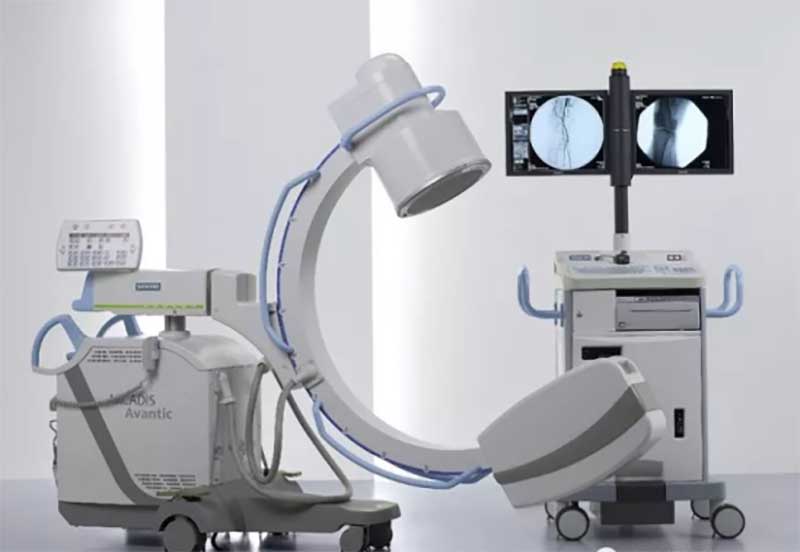
Medical X-ray machines have been a critical tool in diagnosing and treating a range of medical conditions for over a century. From detecting broken bones to identifying tumors, X-ray technology has played a crucial role in modern medicine. As medical technology continues to evolve, what are the latest trends in medical X-ray machines and how will they impact the future of healthcare?
Improved Image Quality
One of the most significant developments in medical X-ray machines is the improved image quality. Modern X-ray machines use digital imaging technology that produces higher resolution images, making it easier for doctors to detect abnormalities and diagnose medical conditions. This has led to more accurate diagnoses, earlier detection of diseases, and better patient outcomes.
Lower Radiation Doses
Another trend in medical X-ray machines is the use of lower radiation doses. Traditional X-ray machines use ionizing radiation to create images, which can be harmful in high doses. Newer X-ray machines use lower doses of radiation while still producing high-quality images. This reduces the risk of radiation exposure for patients and healthcare providers.
Portable X-Ray Machines
Another trend in medical X-ray machines is the development of portable devices. Portable X-ray machines are small and lightweight, making them ideal for use in emergency situations or in remote locations. These machines are also useful in intensive care units and other hospital departments where moving patients can be difficult.
3D Imaging
Medical X-ray machines are also moving towards 3D imaging, which provides a more complete view of the patient's anatomy. This technology is particularly useful in orthopedics, where it can help doctors better understand the patient's condition and plan surgical procedures.
Artificial Intelligence
Artificial intelligence (AI) is also being integrated into medical X-ray machines. AI algorithms can analyze X-ray images and identify abnormalities that may be missed by human radiologists. This can lead to faster and more accurate diagnoses, and ultimately better patient outcomes.
Conclusion
The development of medical
X-ray machines has come a long way over the past century, and the future of this technology looks promising. Improved image quality, lower radiation doses, portable devices, 3D imaging, and AI integration are just a few of the trends that are shaping the future of medical X-ray machines. As medical technology continues to evolve, we can expect to see even more innovations in this critical area of healthcare.