The operating room has always been considered a very mysterious place in the hospital. Many people are full of strangeness and fear about the operating room. The word operating room seems to have the aura of "military powerhouse, no one is allowed to enter", but in fact many people basically Everyone has been to the operating room, such as birth, appendix, delivery and other operations. So how much do you know about the "cold knowledge" in the operating room? Today I will take you to learn about it and unveil the "mystery" of the operating room.
1. Why do you have to take off your clothes before entering the operating room and why can’t you wear your own clothes?
The operating room is a relatively sterile environment. In order to prevent postoperative infection, patients will be asked to wear hospital uniforms (underwear, underwear, and socks are removed) on the day of surgery; in order to keep the operating room environment clean and sterile, facilitate surgical disinfection, and thus prevent surgical infection. Medium skin damage.
2. Why do you have to take off everything on your body before entering the operating room?
Before the operation, we will ask the patient to remove everything that can be removed from the body. The first point is to protect the patient's safety. An electric knife may be used during the operation. If there are metal objects on the patient, it will cause a short circuit and cause surgical risks. The second point is to reduce the risk of hospital infection caused by bringing personal items that have not been specially handled into the operating room. The third point is that the patient is unconscious after anesthesia. If something is lost, it will be very troublesome to find it. Therefore, according to regulations, everything must be removed before surgery. Such as: jewelry, dentures, wigs, contact lenses, mobile phones, glasses, etc.
In addition, if you have metal materials that have not been removed from the body during previous surgeries (such as steel plates, steel wires, screws, etc.), you must tell the doctor and nurse truthfully!
3. Why is it generally cold in the operating room?
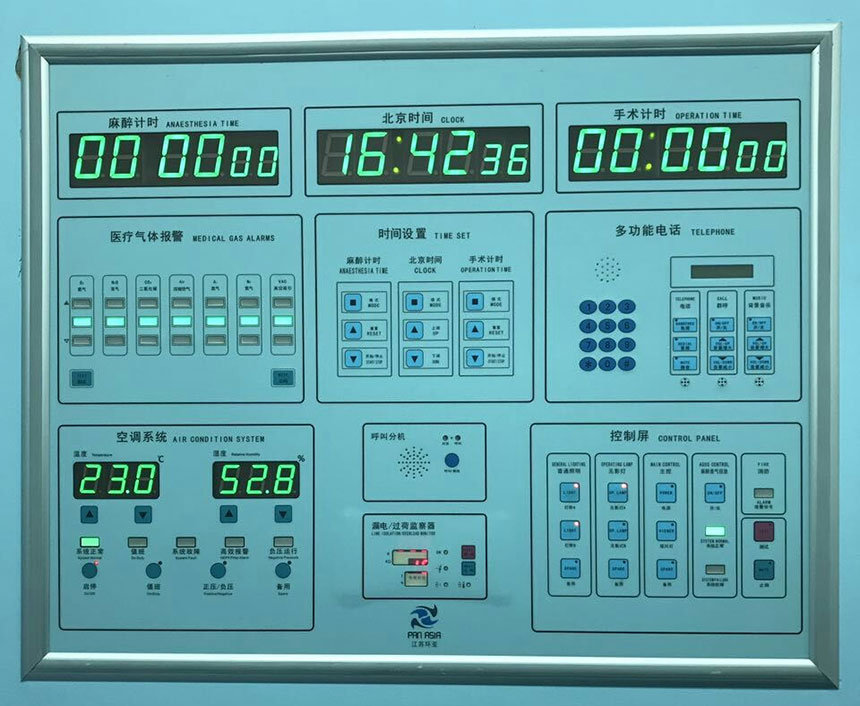
Operating rooms have strict requirements on temperature and humidity. Regardless of spring, summer, autumn or winter, the temperature is required to be controlled at around 22-25°C and the humidity at 50-60%. Lower temperatures can inhibit the growth of bacteria inside the operating room and reduce the number of incisions for patients. Infect. In addition, lower temperatures can also allow surgeons to concentrate, and there are many instruments and equipment that are in optimal condition within this temperature range. But you don’t need to worry about this affecting the patient. We will keep the patient warm, with heating blankets, heated infusion devices, warm saline for flushing the abdominal cavity, etc.
4. Why can’t I start the operation directly after entering the operating room?
Before the operation begins, the operating room nurses and anesthesiologists will have a lot of preparation work to do! Operating room nurses need to establish intravenous access for patients and prepare surgical supplies: various dressings, surgical instruments, equipment, disposable consumables, etc. The anesthesiologist needs to sign with the patient's family and prepare anesthesia supplies. The surgeon must conduct a three-party verification after entering the operating room. The anesthesiologist performs anesthesia, the nurse washes hands and opens the sterile instrument package, brushes hands on the stage, the surgeon, circulating nurse and anesthesiologist jointly arrange the surgical position, washes hands and counts the supplies together with the circulating nurse, the surgeon brushes hands and disinfects the surgical site, and lays the towels Bacteria operating table. The equipment is connected, the three-party verification is carried out, and the skin is incised to start the operation. During the operation, the handwashing nurse assists the doctor in cooperating with the operation and counting the supplies. The anesthesiologist pays attention to the patient's vital signs and maintains stable anesthesia. The patrol nurse is responsible for observing the patient's vital signs during the operation and cooperating with the operation of equipment under the operating table. The three parties worked together to complete the operation.
5. Why is close monitoring required after surgery?
After general anesthesia surgery, the patient's vital signs need to be closely monitored, because the residual effects of anesthetic drugs can put the patient under anesthesia again, which may cause respiratory depression or the risk of reflux and aspiration. After subarachnoid anesthesia (spinal anesthesia), the patient will be asked to lie down on his back, in order to prevent post-operative low-pressure headaches caused by a high head position.
Although surgery is risky, it is not as scary as imagined. Although the operating room is mysterious, it is not as serious as imagined. We hope that every patient can successfully complete the operation and the patient can recover, which is the motivation for our work! I wish the patient and friend a smooth surgery and a speedy recovery!