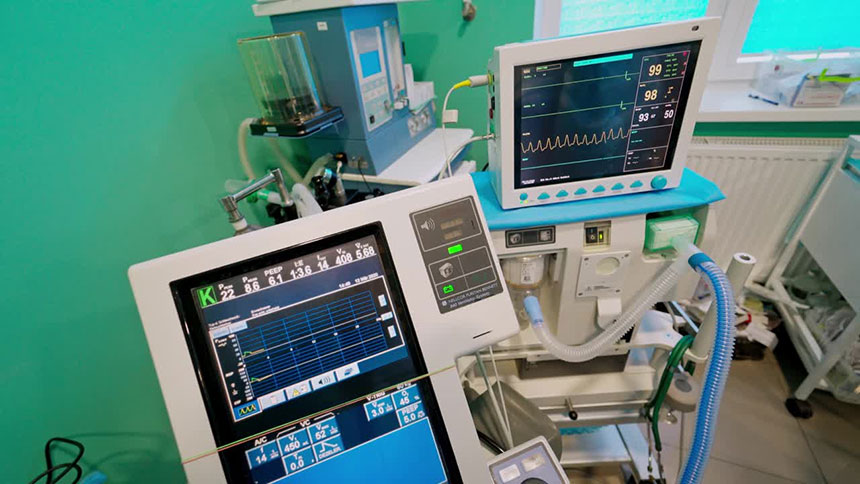
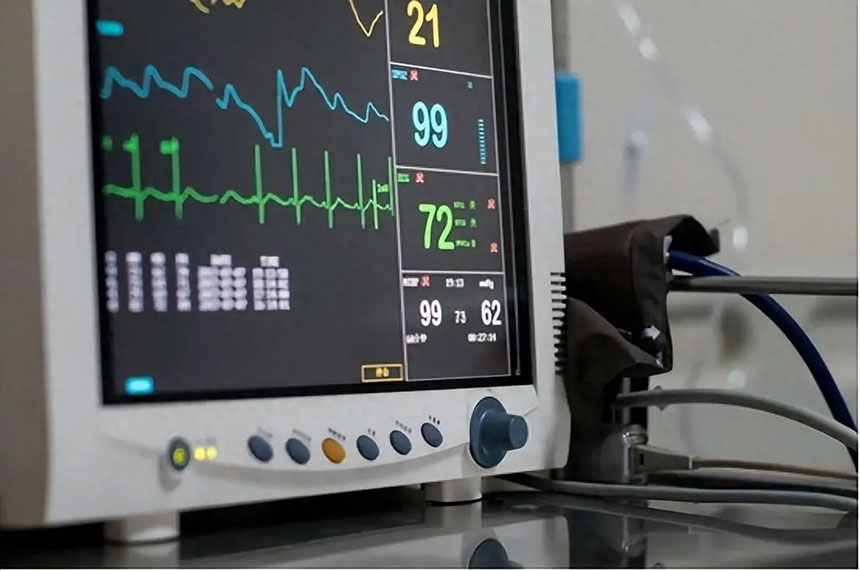
Patient monitors are indispensable medical devices in modern clinical environments. They continuously track vital signs such as heart rate, blood pressure, oxygen saturation, and respiratory rate, playing a vital role in supporting critical decision-making for healthcare professionals. Any malfunction, downtime, or inaccuracy in these devices could directly compromise patient safety.
Proper and systematic maintenance ensures that monitors function reliably, reduces unexpected breakdowns, and extends their service life. For hospitals and clinics, this also means better cost control, smoother workflows, and enhanced patient trust.
As a global leader in medical device manufacturing and distribution, Ysenmed provides high-quality patient monitors and complete after-sales solutions, helping healthcare facilities worldwide adopt best practices in equipment maintenance and management.
1. Importance of Patient Monitor Maintenance
The reliability of patient monitors is crucial because:
-
Accuracy of Data – Vital signs directly influence clinical decisions such as medication dosages, ventilator settings, or emergency interventions. Incorrect readings can lead to misdiagnosis or inappropriate treatment.
-
Patient Safety – Continuous monitoring is often the first alert for cardiac arrest, hypoxemia, or blood pressure collapse. Delayed or inaccurate alarms could endanger lives.
-
Operational Efficiency – Frequent breakdowns interrupt clinical workflows, create frustration for medical staff, and may force hospitals to rent or purchase backup devices at extra cost.
-
Economic Value – Well-maintained equipment can remain in service for 8–10 years, while poorly maintained units may require replacement within 3–5 years.
In summary, investing in preventive maintenance is not only a clinical necessity but also a smart financial strategy.
2. Core Maintenance Guidelines for Patient Monitors
2.1 Daily Cleaning
Regular cleaning prevents dust accumulation, maintains clear visibility of screens, and avoids sensor malfunction. Use a soft, lint-free cloth slightly moistened with water or approved disinfectant wipes. Avoid excessive moisture and corrosive chemicals. Replace consumables such as electrodes and cuffs according to usage cycles.
2.2 Routine Device Inspections
Biomedical engineers should schedule periodic inspections covering:
-
Accuracy of displayed values.
-
Alarm sensitivity and response time.
-
Condition of cables and connectors.
-
Battery health and charging functionality.
Documenting each inspection ensures accountability and allows early detection of wear and tear.
2.3 Correct Usage by Clinical Staff
Many monitor issues stem from improper handling rather than technical faults. Staff should:
-
Follow standard operating procedures.
-
Connect electrodes and probes correctly.
-
Avoid turning the device on and off unnecessarily.
-
Ensure stable operating environments, free from excessive heat, humidity, or electromagnetic interference.
2.4 Battery Management
Rechargeable batteries degrade over time. To prolong their life:
-
Replace according to manufacturer schedules.
-
Keep batteries partially charged during storage.
-
Avoid complete discharges whenever possible.
2.5 Regular Calibration
Calibration ensures accuracy in readings. Depending on workload, calibrations should occur at least every six months. Use standard test equipment to verify heart rate, SpO₂, and NIBP measurements.
2.6 Cable and Sensor Checks
Cables are often the first components to fail due to repeated bending and usage. Inspect for fraying or loose connections. Handle sensors carefully to avoid damage from pulling or dropping. Replace damaged accessories immediately to ensure signal stability.
2.7 Fault Diagnosis and Documentation
In the event of malfunctions:
-
Repairs should be performed only by qualified technicians.
-
Each repair should be followed by rigorous functional testing.
-
Hospitals should maintain detailed logs of maintenance, replacements, and calibration for regulatory compliance and future analysis.
2.8 Preventive Maintenance Programs
Hospitals should move from reactive repairs to preventive strategies. By scheduling maintenance at set intervals, institutions minimize emergency breakdowns and improve device uptime. Ysenmed provides service packages and training to help hospitals implement these systems effectively.
2.9 Environmental Considerations
Avoid exposing monitors to dust, liquid spills, or corrosive cleaning materials. Maintain proper storage conditions when devices are not in use. Monthly functional checks should include:
-
Cleanliness of monitors and modules.
-
Visual inspection for cracks or damage.
-
Stability of patient cable connections under gentle stress tests.
2.10 Software and Firmware Updates
Modern monitors increasingly rely on embedded software. Regular updates fix bugs, enhance cybersecurity, and add functionality. Keeping systems updated ensures they remain compatible with hospital IT networks and regulatory requirements.
3. Types of Patient Monitors and Specific Maintenance Needs
3.1 Multi-Parameter Monitors
Used in operating rooms and ICUs, these monitors measure multiple parameters simultaneously. They require regular calibration across all channels to ensure accuracy under high workload conditions.
3.2 Portable Patient Monitors
Frequently used in ambulances or for bedside transfers, these monitors are prone to physical damage. Their batteries and connectors require more frequent inspection.
3.3 Fetal and Neonatal Monitors
Accuracy is crucial for monitoring fetal heart rate and neonatal vital signs. Special care must be taken to protect sensitive probes and ensure gentle cleaning procedures.
By tailoring maintenance protocols to each type of monitor, hospitals can achieve optimal device performance.
4. Preventive Maintenance vs. Reactive Repairs
-
Preventive Maintenance: Planned, systematic checks reduce downtime and extend equipment lifespan. For example, hospitals that follow structured programs report a 30–40% reduction in emergency failures.
-
Reactive Repairs: Waiting until failure occurs often leads to longer downtimes, higher repair costs, and possible patient risks.
A case study: A hospital implementing Ysenmed’s preventive program reduced monitor replacement costs by 25% within two years compared to institutions relying solely on reactive maintenance.
5. Ysenmed’s Role in Patient Monitor Management
As a trusted global supplier, Ysenmed supports hospitals through:
-
OEM/ODM services for customized patient monitoring solutions.
-
Comprehensive after-sales support, including spare parts, repair services, and online assistance.
-
Training programs for biomedical engineers and clinical staff to enhance maintenance skills.
-
Quality assurance systems to ensure long-term accuracy and durability of devices.
By partnering with Ysenmed, healthcare institutions benefit from reliable technology, reduced costs, and improved patient outcomes.
6. Future Trends in Patient Monitor Maintenance
-
Remote Monitoring & IoT – Integration with hospital networks allows real-time fault detection and predictive maintenance alerts.
-
AI-Assisted Diagnostics – Artificial intelligence can help identify abnormal patterns in device performance before failures occur.
-
Green Healthcare – Focus on energy-efficient devices and sustainable repair practices to reduce hospital carbon footprints.
-
Global Standardization – Increasing push toward international maintenance protocols will enhance consistency across regions.
Ysenmed is actively investing in smart healthcare solutions to align with these trends, ensuring hospitals remain at the forefront of innovation.
Conclusion
Patient monitors are indispensable tools in modern healthcare, and their reliability directly impacts patient safety, clinical outcomes, and hospital efficiency. Implementing preventive maintenance strategies—including regular cleaning, inspections, calibration, software updates, and proper staff training—ensures devices perform accurately and consistently.
With extensive expertise and global service networks, Ysenmed provides not only high-quality patient monitors but also complete maintenance solutions and training support. By adopting these best practices, hospitals can maximize equipment lifespan, minimize costs, and deliver superior patient care.