Modern healthcare is inseparable from advanced medical equipment. From diagnostic imaging devices like CT and MRI scanners to essential ICU machines such as ventilators and patient monitors, hospitals rely on technology to deliver accurate diagnoses and effective treatments. However, medical devices alone are not enough—proper maintenance, regulation, and lifecycle management are equally critical to ensure patient safety, equipment reliability, and cost efficiency.
At Ysenmed, we recognize that the progress of modern medicine depends not only on the innovation of new devices but also on the sustainable use and reliable performance of existing hospital equipment. As a global medical equipment supplier and healthcare solutions provider, Ysenmed helps hospitals and clinics worldwide manage their medical technology efficiently while reducing operational risks and costs.
This article explores the significance of medical equipment maintenance, the current challenges faced by hospitals, and the ways Ysenmed partners with healthcare institutions globally to deliver integrated solutions.
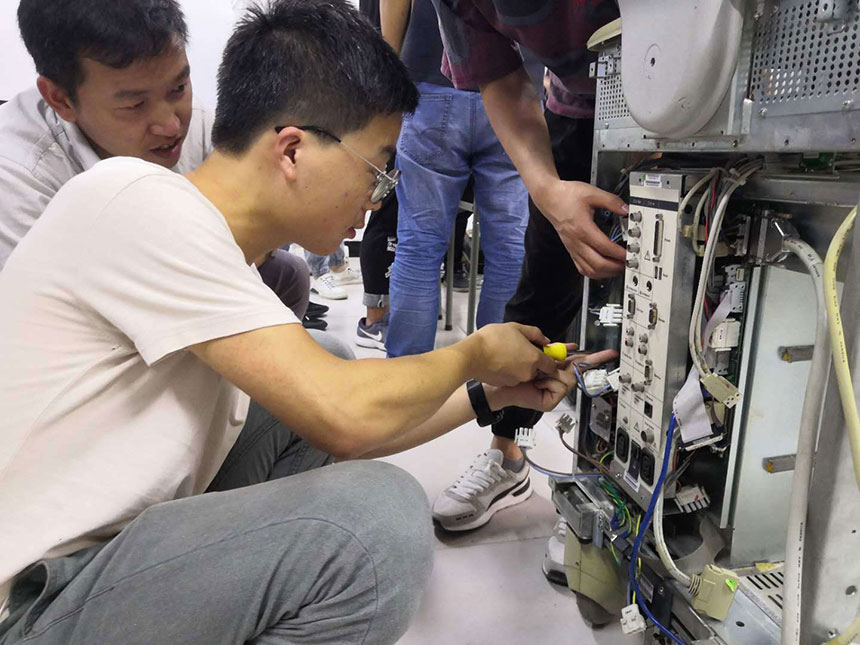
The Role of Medical Equipment Maintenance in Modern Hospitals
In the past, hospitals often viewed equipment maintenance as a simple repair task—fixing devices only when they failed. Today, however, the role of biomedical engineering and equipment management has evolved into a comprehensive responsibility that spans the entire lifecycle of medical devices.
A professional equipment management team is now expected to:
-
Prepare installation sites and supervise equipment acceptance
-
Manage daily maintenance, calibration, and safety checks
-
Handle repairs and replacement parts efficiently
-
Conduct performance evaluations and quality assurance (QA/QC)
-
Oversee equipment allocation, retirement, and recycling
This shift reflects the growing importance of medical devices in clinical workflows. Hospitals need a highly efficient, professional, and trustworthy biomedical engineering team—a demand that Ysenmed helps address by offering not only high-quality medical equipment but also technical training, after-sales service, and global support.
Current Challenges in Medical Equipment Maintenance
Despite rapid technological progress, hospitals around the world face significant challenges in equipment management:
-
Technological Complexity and Manufacturer Dependency
-
Advanced equipment often requires specialized knowledge.
-
Manufacturers tightly control spare parts and technical information, limiting hospitals’ ability to perform independent repairs.
-
Lack of Standardized Training and Certification
-
In many regions, biomedical engineers receive inconsistent training.
-
Maintenance quality can vary widely, creating risks for patients.
-
High Cost of Service Contracts
-
Improper Use and Maintenance
-
Poor handling or neglecting preventive maintenance leads to premature equipment failure.
-
Many devices are replaced earlier than necessary, increasing costs.
Ysenmed helps overcome these obstacles by supplying affordable medical devices, offering technical guidance, and providing global spare parts support. Our international service network ensures that hospitals can maintain their equipment with greater independence and confidence.
Advantages of Independent Hospital Equipment Teams
Hospitals that establish strong in-house maintenance teams enjoy several advantages compared to relying solely on manufacturers:
-
Faster Response Time – In urgent cases, hospital-based engineers can address problems immediately, while manufacturers often require travel time and bureaucratic delays.
-
Lower Maintenance Costs – Instead of simply replacing expensive components, in-house engineers can perform detailed repairs and identify root causes, reducing long-term expenses.
-
Better Knowledge of Hospital Needs – Internal teams understand clinical workflows, equipment utilization patterns, and can provide tailored support.
-
Resource Optimization – By tracking device usage, hospitals can redistribute equipment efficiently, avoiding unnecessary purchases.
At Ysenmed, we complement hospital teams by offering technical consultation, training programs, and OEM/ODM solutions—helping biomedical engineers maximize efficiency and reduce dependency on manufacturers.
Best Practices for Medical Equipment Regulation and Maintenance
Based on global healthcare experience, successful hospitals adopt a proactive approach to equipment management. Key best practices include:
-
Preventive Maintenance
-
Safety and Quality Assurance (QA/QC)
-
Monitoring environmental conditions (temperature, humidity, power supply).
-
Conducting strict safety checks to prevent accidents (e.g., leakage, electrical faults).
-
Digital Equipment Records
-
Using barcodes or RFID systems to track each device.
-
Recording maintenance history, performance data, and repairs in centralized databases.
-
Effective Communication with Clinical Departments
-
Strategic Manufacturer Collaboration
-
Centralized Equipment Management
-
Establishing specialized centers (e.g., ventilator pools, monitoring hubs).
-
Improving equipment utilization and preventing waste.
Ysenmed not only supplies advanced medical devices but also provides integrated management solutions to help hospitals adopt these best practices efficiently.
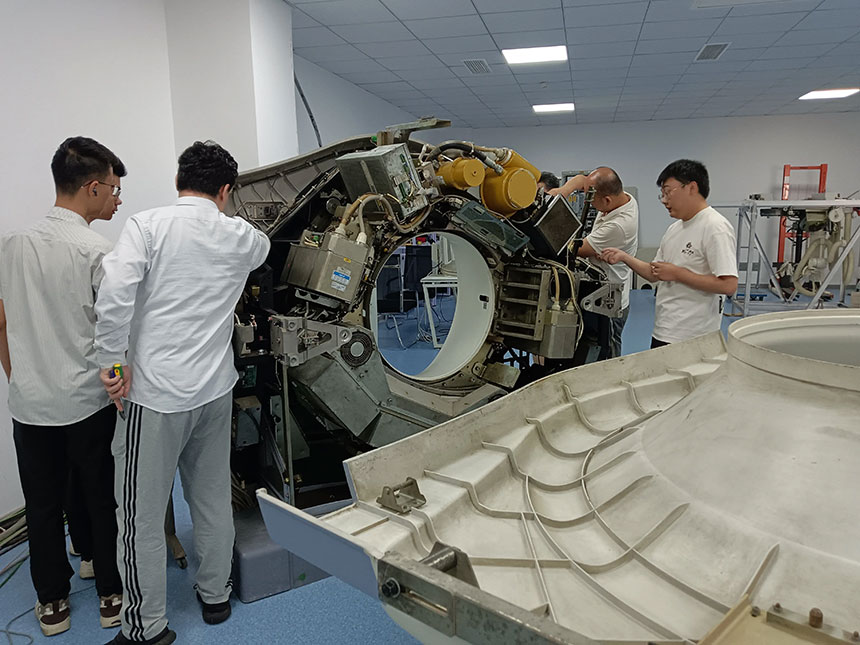
The Global Significance of Proper Equipment Maintenance
The importance of medical equipment maintenance extends beyond individual hospitals—it impacts entire healthcare systems.
-
Reducing Patient Costs
In many developing countries, medical expenses are a major social concern. Proper equipment maintenance reduces the frequency of replacements and lowers healthcare costs for patients.
-
Extending Equipment Lifespan
For example, in developed countries, ventilators may last over 100,000 hours. In contrast, many hospitals in other regions replace ventilators after only 10,000–20,000 hours due to poor maintenance. With skilled engineers and reliable support, this gap can be closed.
-
Improving Healthcare Quality
Well-maintained devices ensure accuracy, safety, and reliability in patient care.
-
Supporting Sustainable Development
Extending equipment use reduces electronic waste and lowers environmental impact.
Ysenmed plays an important role by ensuring hospitals worldwide have access to durable, cost-effective devices and reliable maintenance strategies.
Ysenmed: Your Partner in Global Healthcare Solutions
As a leading medical equipment supplier and healthcare solutions provider, Ysenmed is committed to supporting hospitals, clinics, and healthcare organizations around the world. Our key strengths include:
-
Comprehensive Product Portfolio – ICU devices, diagnostic imaging systems, surgical equipment, and more.
-
Global Supply Network – Reliable delivery to over 100 countries.
-
Technical Support and Training – Helping biomedical engineers and hospital staff manage devices efficiently.
-
Custom Solutions – OEM/ODM manufacturing, tailored to hospital needs.
-
Sustainability Commitment – Promoting long-lasting equipment use and cost-efficient healthcare.
By combining high-quality devices with strong after-sales service, Ysenmed ensures that hospitals can achieve optimal medical outcomes while maintaining cost efficiency.
Conclusion
Medical equipment maintenance and management are essential pillars of modern healthcare. From ensuring patient safety to lowering hospital costs and extending equipment lifespan, effective equipment management has far-reaching benefits.
Hospitals need reliable partners to face challenges such as technological complexity, high service costs, and the demand for faster response times. Ysenmed stands as a trusted global partner—offering not only medical equipment but also complete solutions that empower hospitals to operate more efficiently.
Whether your institution needs ICU devices, diagnostic machines, or full hospital equipment solutions, Ysenmed is ready to deliver. By choosing Ysenmed, you gain a partner committed to quality, affordability, and global healthcare excellence.
Contact Ysenmed today to explore how we can support your hospital’s equipment needs and maintenance solutions.