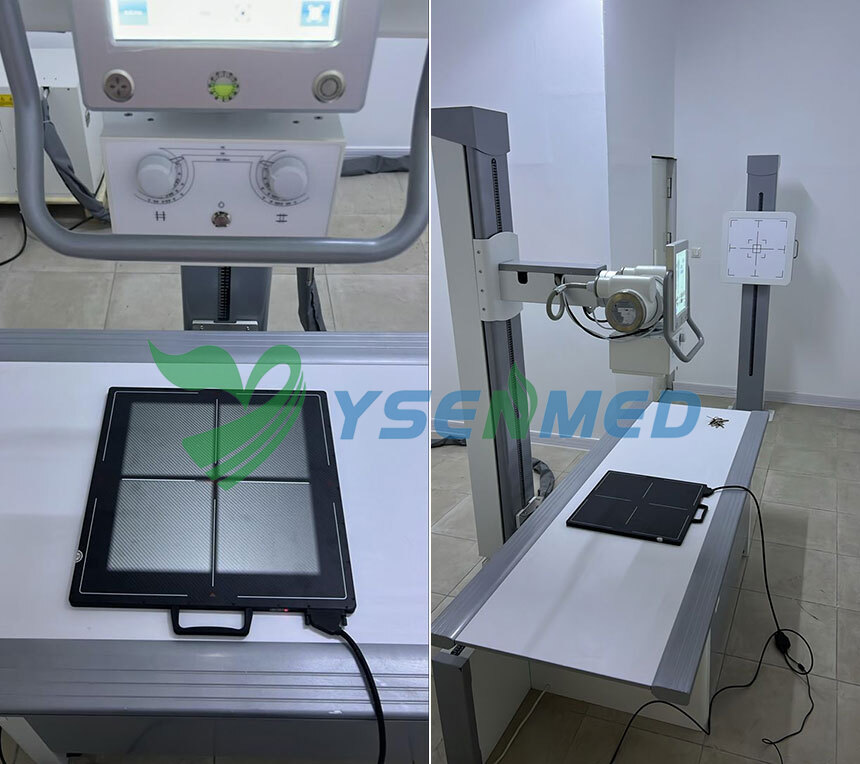
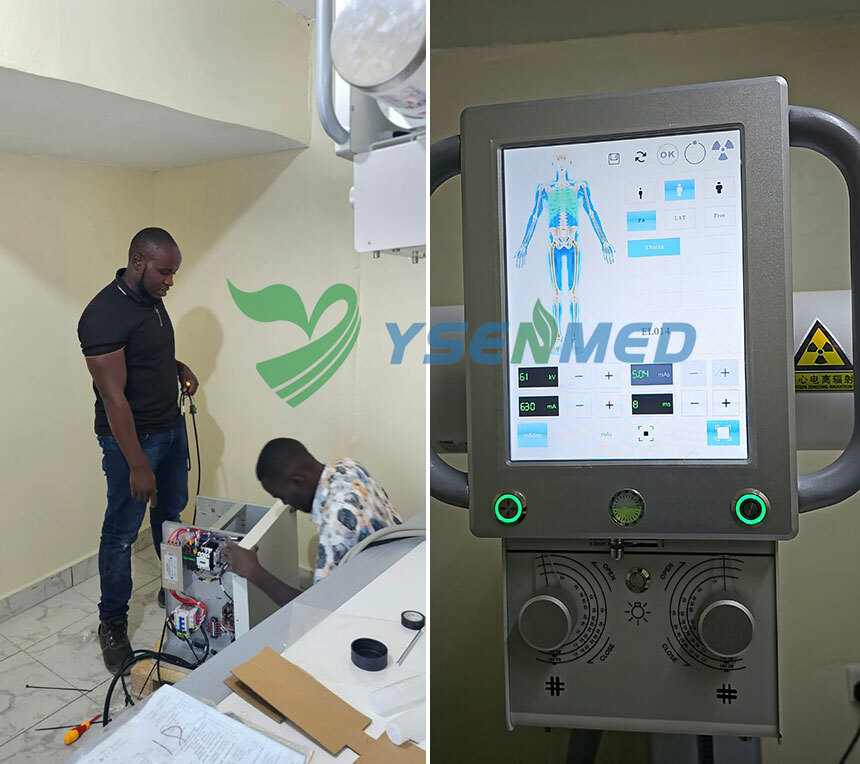
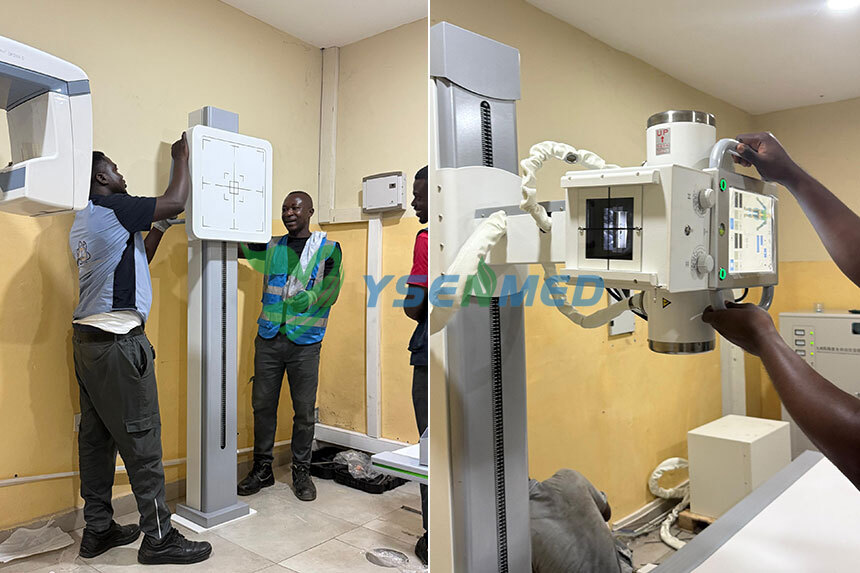
Fluoroscopy Machines: Advancements, Challenges, Applications, and Maintenance
Fluoroscopy machines have become indispensable tools in modern medical imaging, providing real-time X-ray visualization for various medical applications. As technology advances, fluoroscopy equipment continues to evolve, improving diagnostic accuracy and procedural efficiency. However, this development comes with challenges, including cost factors, regulatory compliance, and technical limitations. This article explores the evolution, applications, pricing factors, advantages over other X-ray machines, operational guidelines, and maintenance of fluoroscopy machines.
The Evolution of Fluoroscopy Machines
Since their inception, fluoroscopy machines have undergone significant technological advancements. Early models relied on continuous X-ray exposure, leading to high radiation doses. Today’s portable fluoroscopy systems incorporate digital detectors, dose-reduction techniques, and artificial intelligence, making them safer and more efficient. Innovations such as flat-panel detectors (FPDs) have replaced traditional image intensifiers, improving image clarity while reducing radiation exposure.
Despite these advancements, challenges persist. High costs of cutting-edge fluoroscopy equipment, stringent regulatory approvals, and the need for specialized training can pose barriers to widespread adoption, particularly in developing regions.
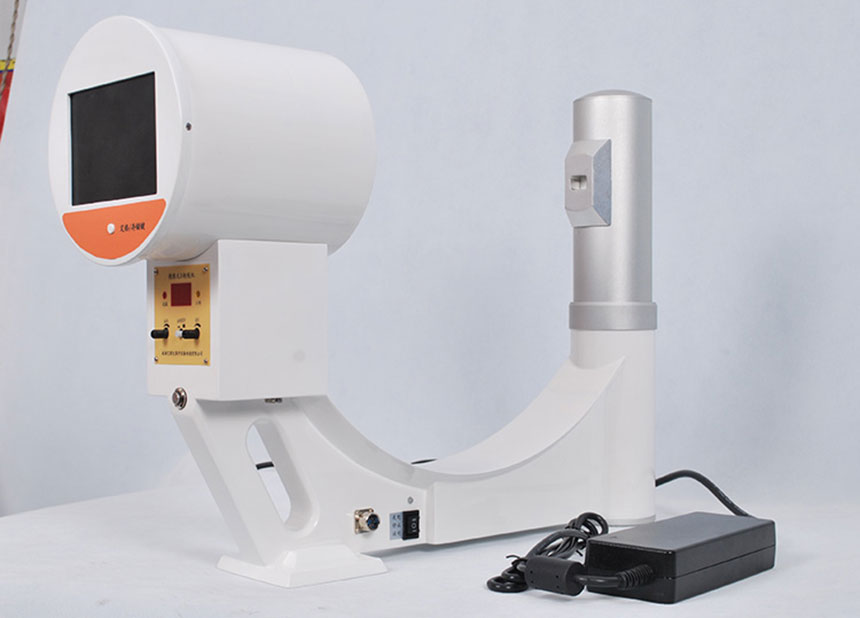
Applications of Fluoroscopy Machines
Fluoroscopy machines are widely used across various medical disciplines, including:
-
Orthopedics: Assisting in closed reduction of fractures, joint injections, and spinal procedures.
-
Surgery: Real-time imaging for catheter placements, biopsies, and orthopedic surgeries.
-
Pediatrics: Minimizing invasive diagnostics and guiding complex interventions with reduced radiation doses.
-
Emergency Medicine: Rapid assessment of fractures, foreign body retrieval, and trauma evaluations.
-
Dental and Maxillofacial Surgery: Intraoperative imaging for accurate implant placements and jaw realignments.
Pricing Factors Affecting Fluoroscopy Equipment
The cost of fluoroscopy equipment varies significantly depending on several factors, including:
-
Technology and Features: Advanced models with digital FPDs and AI integration command higher prices.
-
Portability: Portable fluoroscopy units tend to be more expensive due to their compact design and advanced battery-powered systems.
-
Brand and Manufacturer: Established brands often charge a premium for reliability and customer support.
-
Regulatory Compliance: Machines meeting stricter safety and performance standards may come at a higher cost.
-
After-Sales Services: Extended warranties, maintenance packages, and training programs can impact overall expenses.
Advantages of Fluoroscopy Machines Over Conventional X-Ray Machines
Compared to traditional X-ray machines, fluoroscopy machines offer several advantages:
-
Real-Time Imaging: Unlike static radiography, fluoroscopy equipment provides dynamic visualization of internal structures.
-
Minimized Repositioning: Enables continuous monitoring without requiring multiple exposures.
-
Enhanced Surgical Guidance: Crucial for interventional procedures requiring precise navigation.
-
Reduced Radiation Exposure: Modern systems employ pulsed fluoroscopy, significantly lowering patient and operator radiation doses.
-
Versatility: Applicable across multiple medical disciplines, increasing its utility compared to standard X-ray units.
Operational Guidelines for Fluoroscopy Equipment
Proper handling of fluoroscopy machines ensures patient safety and prolonged equipment lifespan. Essential operational guidelines include:
-
Pre-Procedure Checks: Verify equipment calibration, detector alignment, and radiation settings.
-
Radiation Safety Protocols: Utilize protective barriers, wear lead aprons, and limit exposure duration.
-
Proper Patient Positioning: Ensures optimal imaging results while minimizing retakes.
-
Technician Training: Operators should receive periodic training on software updates and best practices.
Maintenance and Troubleshooting of Fluoroscopy Machines
Routine maintenance is crucial for keeping fluoroscopy equipment in optimal condition. Key maintenance steps include:
-
Daily Inspection: Check for software errors, screen clarity, and physical damages.
-
Scheduled Calibration: Regular calibration ensures accurate imaging and dose consistency.
-
Cooling System Maintenance: Prevents overheating, especially in high-frequency usage environments.
-
Detector Cleaning: Ensures artifact-free images and prolonged detector lifespan.
-
Software Updates: Keeps the system up to date with the latest diagnostic algorithms and security patches.
Common Issues and Solutions
-
Blurry Images: Can result from detector misalignment; recalibration is required.
-
Excessive Radiation Exposure Warnings: Indicates the need for reconfiguration of dose settings.
-
Software Malfunctions: A system reboot or software update can resolve glitches.
-
Unresponsive Controls: May be due to power issues or faulty circuits; professional servicing is advised.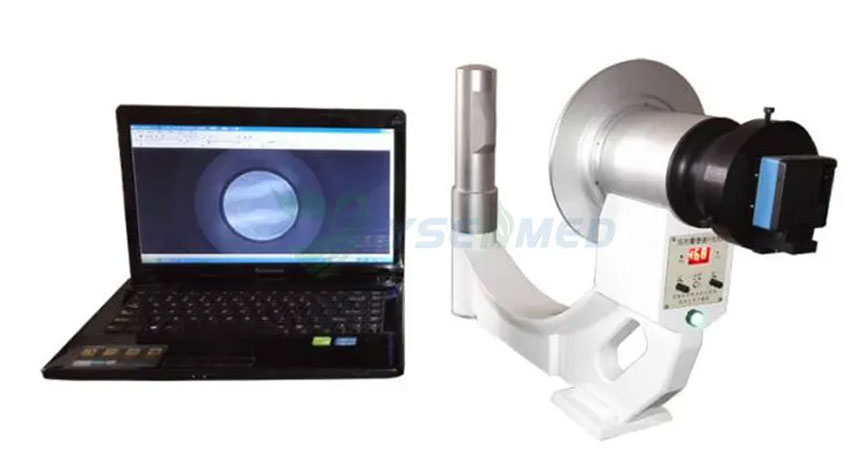
Conclusion
As the demand for high-precision medical imaging grows, fluoroscopy machines continue to play a pivotal role in diagnostics and surgical interventions. Despite challenges such as cost and regulatory constraints, advancements in fluoroscopy equipment are driving better clinical outcomes with reduced radiation exposure and enhanced imaging capabilities.
For a complete range of Fluoroscopy Machines, visit our product list to explore cutting-edge solutions tailored to modern medical needs.