X-ray technology has been a crucial part of modern medicine for over a century. X-ray machines are used to detect and diagnose a range of medical conditions, from broken bones to cancer. However, not all X-ray machines are the same. There are different types of X-ray machines, each with its own unique features and benefits. In this article, we will explore the different types of X-ray machines used in medical settings.
Conventional X-Ray Machines
Conventional X-ray machines, also known as film-based X-ray machines, are the most commonly used type of X-ray machine. These machines use film to create images of the patient's body. Conventional X-ray machines are typically less expensive than other types of X-ray machines and are widely available. However, they do expose patients to a higher dose of radiation compared to other types of machines.
Computed Tomography (CT) Scanners
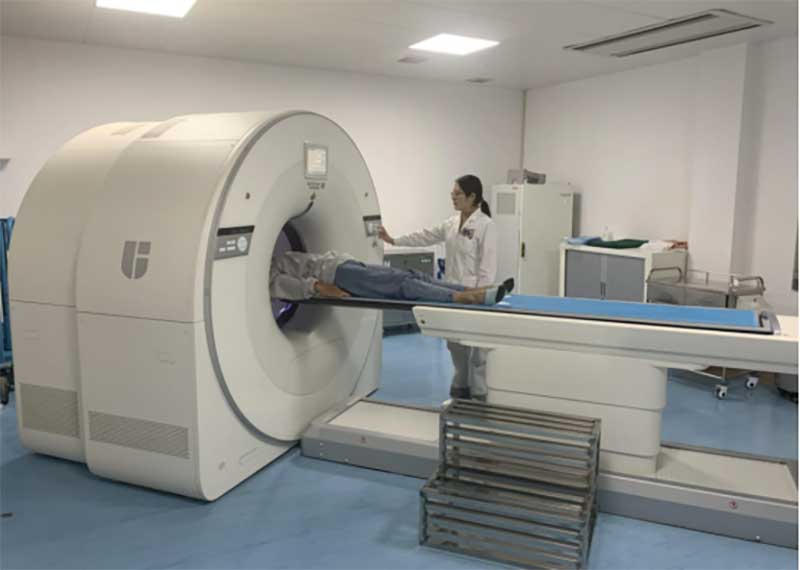
CT scanners, also known as CAT scanners, use X-ray technology to create detailed images of the body. Unlike conventional X-ray machines, CT scanners use a computer to create a series of images that can be combined to create a 3D image of the patient's body. CT scanners are particularly useful for detecting tumors and other abnormalities in the body. However, they expose patients to a higher dose of radiation compared to conventional X-ray machines.
Digital Radiography
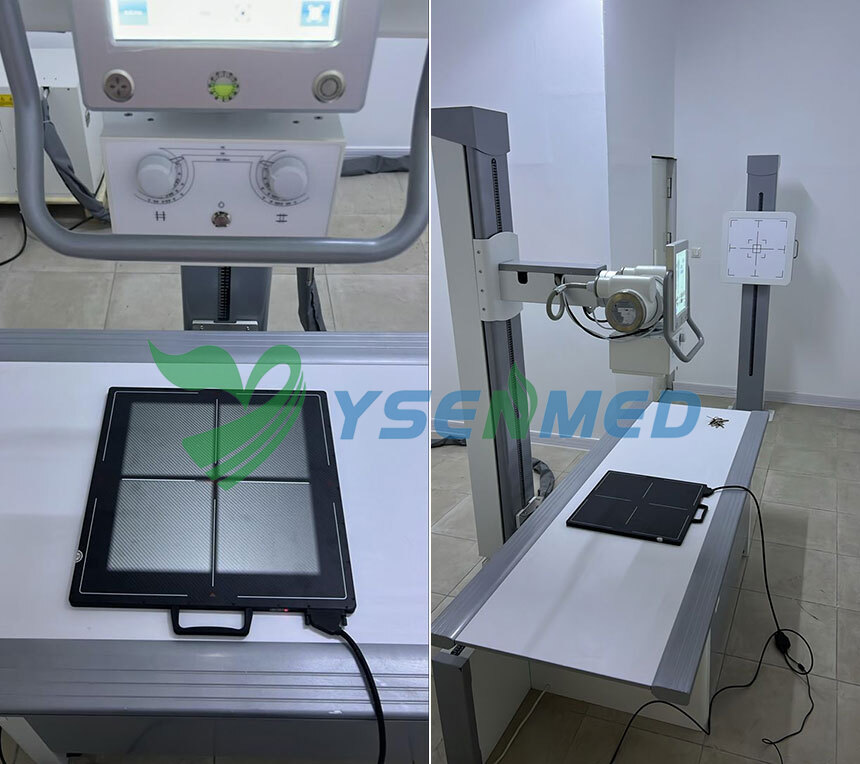
Digital radiography, also known as digital X-ray, is a newer technology that uses digital sensors to create images of the patient's body. Digital radiography machines produce high-quality images with less radiation exposure than conventional X-ray machines. They are also more efficient and produce images faster, making them ideal for busy medical facilities.
Fluoroscopy
Fluoroscopy is a type of X-ray machine that uses a continuous X-ray beam to create a real-time image of the patient's body. Fluoroscopy machines are commonly used in surgical procedures and to guide the placement of medical devices. However, they expose patients to a higher dose of radiation than other types of X-ray machines.
Portable X-Ray Machines
Portable X-ray machines are small, lightweight, and easy to move from one location to another. These machines are commonly used in emergency settings and in nursing homes where mobility is limited. Portable X-ray machines are available in both conventional and digital formats.
Conclusion
In conclusion, there are several types of
X-ray machines used in medical settings, each with its own unique features and benefits. Conventional X-ray machines, CT scanners, digital radiography, fluoroscopy, and portable X-ray machines are all important tools in modern medicine. When choosing an X-ray machine, healthcare providers must consider the patient's needs and the specific application of the machine. By understanding the different types of X-ray machines, healthcare providers can make informed decisions that lead to better patient outcomes.