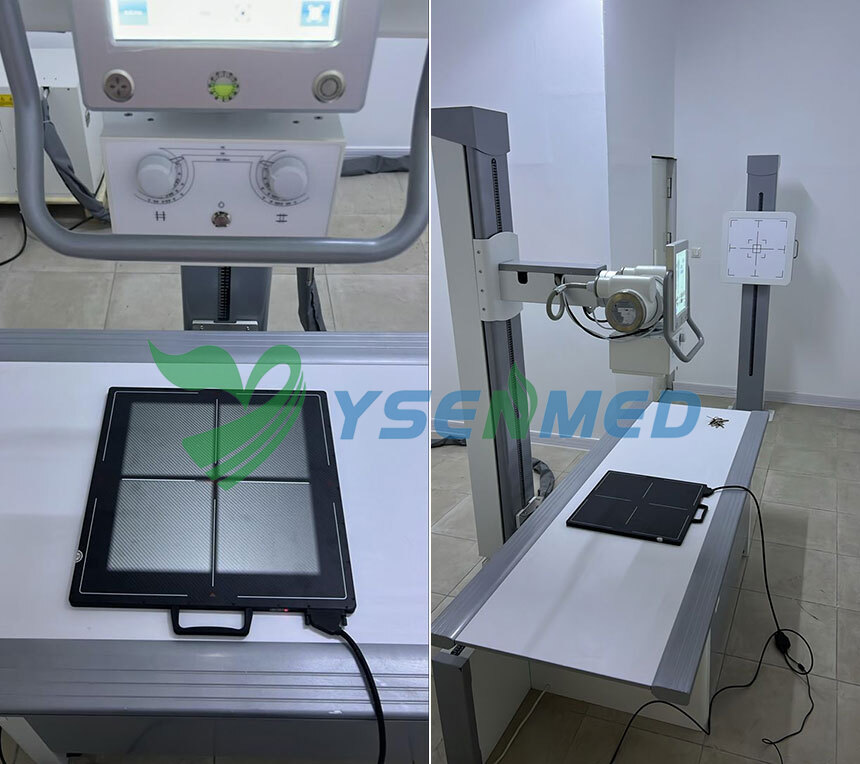
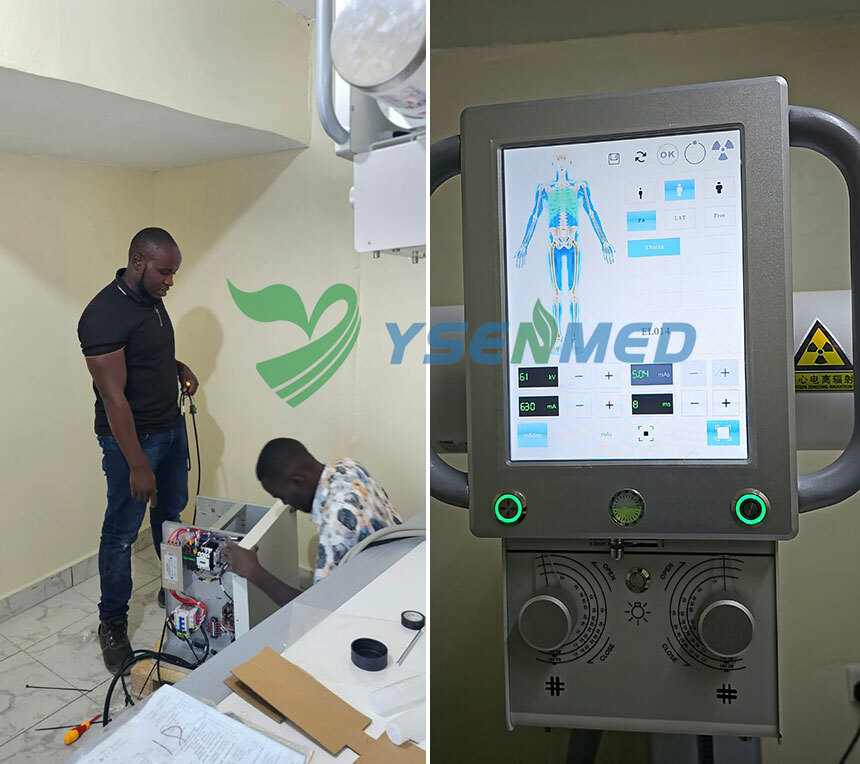
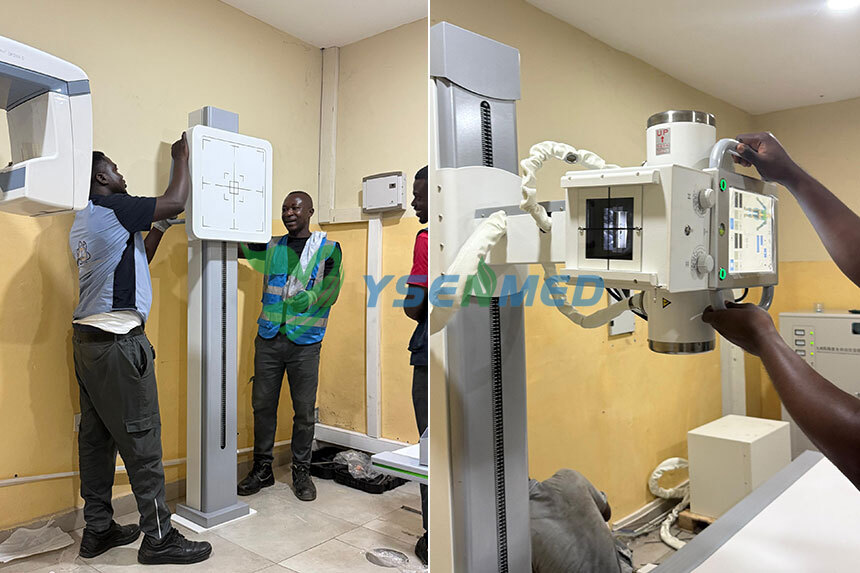
X-ray machines are essential tools used in medical diagnostics and various other fields to visualize the internal structures of objects. Understanding the operation process of an X-ray machine provides valuable insight into the steps involved in capturing diagnostic images. In this article, we will explore the detailed process of operating an X-ray machine, from setup to the final image capture.
1. Before operation, first check whether the various instruments, regulators, switches, etc. on the control panel are in the normal position (zero position or lowest position).
2. Turn on the main switch of the power supply and the power button of the machine, adjust the power supply voltage to the rated voltage (220V or 380V), and give enough warm-up time at the same time.
3. During the exposure process, the knob cannot be temporarily adjusted. Because each regulator affects the occurrence of high voltage during the irradiation process of the X-ray machine, a large current flows through the high-voltage primary contact point. At this time, the adjustment knob may cause a large arc at the contact point, resulting in instantaneous high voltage and damaging the X-ray machine. The main components of the thread machine.
4. According to the needs of photography or fluoroscopy, select platform exchange, technology selection switch and exposure conditions, etc.
1. Patient Preparation:
Before operating the X-ray machine, proper patient preparation is crucial. Patients may need to change into a gown and remove any metallic objects or jewelry that could interfere with the X-ray image. Clear instructions should be provided to ensure patient cooperation and safety during the procedure.
2. Positioning and Immobilization:
Once the patient is prepared, they are positioned on the X-ray table or stand according to the area of interest. Proper positioning is essential to obtain accurate and diagnostic images. The patient may be required to stand, lie down, or sit, depending on the type of examination. Immobilization devices, such as sandbags or adjustable supports, may be used to ensure the patient remains still during the exposure.
3. X-ray Machine Setup:
The X-ray machine is then prepared for the specific examination. This involves selecting appropriate exposure parameters, such as kilovoltage (kVp) and milliamperage (mA), based on the body part being imaged and the patient's size. Additional settings, such as exposure time and image receptor selection, are also adjusted.
4. X-ray Protection Measures:
Radiation safety measures are implemented to protect both patients and operators. Lead aprons and thyroid shields are commonly worn by personnel in the X-ray room. The X-ray machine should be equipped with collimators and beam-limiting devices to minimize unnecessary radiation exposure to surrounding areas.
5. X-ray Exposure:
Once the X-ray machine is properly set up and radiation safety measures are in place, the X-ray exposure is initiated. The X-ray tube emits a controlled burst of X-ray radiation, which passes through the patient's body. The X-ray beam is directed toward the image receptor, which can be a digital detector or X-ray film, positioned on the opposite side of the patient.
6. Image Capture and Evaluation:
After the X-ray exposure, the captured image is retrieved for evaluation. In digital X-ray systems, the image is instantly available on a computer screen, allowing immediate assessment. The radiologist or technologist reviews the image for diagnostic quality, ensuring that all relevant structures are adequately visualized.
7. Post-Examination Procedures:
Following the image evaluation, post-examination procedures are conducted. This may involve removing the image receptor from the X-ray machine, archiving the image in the patient's medical record, and preparing for subsequent examinations if needed. Radiation safety measures are maintained during all post-examination activities.
Precautions:
1. It is strictly forbidden to pull the knobs and switches on the control surface, imaging bed and spotting frame without knowing the performance, usage method and operating procedures of the ground X-ray machine in detail.
2. In order to use the X-ray tube correctly and prolong its life, it must be used in strict accordance with the specifications of the X-ray tube. Within the specified maximum allowable capacity and when the patient's condition permits, use low mA projection as much as possible.
3. After each work is completed, the auxiliary parts and other supplies should be returned to the original place, the room should be cleaned, and the machine should be wiped to keep it neat and clean.
Conclusion:
Operating an
X-ray machine involves a systematic process, from patient preparation and positioning to image capture and evaluation. By following proper procedures and ensuring radiation safety, healthcare professionals can obtain high-quality diagnostic images. Understanding the operation process of an X-ray machine highlights the importance of precision, patient cooperation, and adherence to safety protocols in achieving accurate diagnoses and providing effective patient care.