Medical waste disposal is a critical issue for hospitals, clinics, laboratories, and healthcare facilities worldwide. With the increasing volume of hazardous medical waste generated daily—ranging from infectious materials to pharmaceutical residues—proper disposal methods are essential to prevent environmental contamination and public health risks. Incineration remains one of the most effective and widely adopted methods for eliminating hazardous medical waste, ensuring compliance with stringent environmental regulations while minimizing health hazards.
However, the cost of a medical waste incinerator varies significantly based on multiple factors, including technology, capacity, regulatory compliance, and geographic location. Understanding these variables is crucial for healthcare administrators, procurement officers, and waste management professionals who need to make informed purchasing decisions.
This comprehensive guide explores the current pricing trends, key factors influencing costs, technological advancements, and future outlook for medical waste incinerators. Additionally, we provide a detailed buying guide, maintenance best practices, and expert recommendations to help organizations select the most suitable incineration solution for their needs.

1. Overview of Medical Waste Incinerators
What Is a Medical Waste Incinerator?
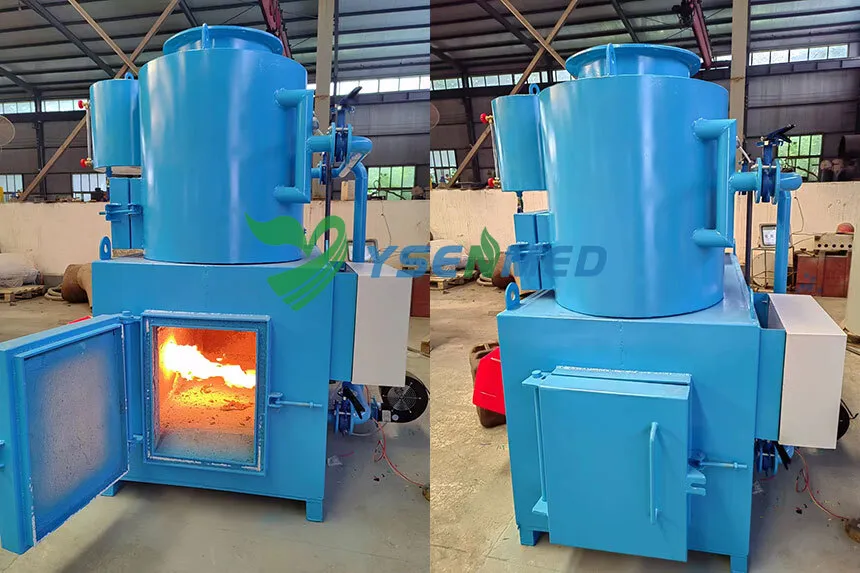
A medical waste incinerator is a specialized facility designed to safely burn and destroy hazardous medical waste at extremely high temperatures (typically above 1000°C). This process ensures complete sterilization, reducing waste to sterile ash and eliminating harmful pathogens. The types of waste typically processed in medical incinerators include:
-
Infectious waste (contaminated gloves, bandages, surgical waste)
-
Pathological waste (human tissues, organs, bodily fluids)
-
Pharmaceutical waste (expired drugs, cytotoxic substances)
-
Sharps waste (needles, scalpels, broken glass)
-
Chemical waste (solvents, disinfectants)
-
Non-hazardous general waste (packaging, non-infectious materials)
Types of Medical Waste Incinerators
There are three primary types of medical waste incinerators, each with distinct advantages and applications:
-
Controlled Air Incinerators
How it works: Uses a two-stage combustion process—primary chamber for waste decomposition and a secondary chamber for complete gas combustion.
Advantages: High efficiency, lower emissions, and better temperature control.
Best for: Hospitals, clinics, and medium-sized healthcare facilities.
-
Rotary Kiln Incinerators
How it works: Features a rotating chamber that ensures uniform waste burning at high temperatures.
Advantages: Suitable for mixed hazardous waste, including chemical and pharmaceutical residues.
Best for: Large medical facilities, industrial waste treatment plants.
-
Fluidized Bed Incinerators
How it works: Uses a bed of sand and high-velocity air to enhance combustion efficiency.
Advantages: Low emissions, energy-efficient, and effective for liquid and solid waste.
Best for: Waste-to-energy plants and large-scale medical waste processors.
Each type has different cost implications, with rotary kiln and fluidized bed incinerators generally being more expensive due to their advanced technology and higher processing capacities.
2. Key Factors Influencing Medical Waste Incinerator Prices
The price of a medical waste incinerator depends on several critical factors:
A. Incinerator Capacity
-
Small-scale (10-50 kg/hr): $5,000 – $30,000 (ideal for small clinics, dental offices)
-
Medium-scale (50-200 kg/hr): $30,000 – $100,000 (suitable for hospitals, labs)
-
Large-scale (200+ kg/hr): $100,000 – $500,000+ (used in centralized waste treatment facilities)
Larger units require more robust construction, automation, and emission control systems, significantly increasing costs.
B. Emission Control Technology
Stricter environmental regulations necessitate advanced air pollution control systems, such as:
These systems can add $10,000 – $100,000+ to the total cost but are essential for compliance with EPA, EU, and WHO standards.
C. Regulatory Compliance Requirements
Different regions impose varying regulations on medical waste incineration. For example:
-
EPA (USA): Requires strict dioxin and furan emission limits.
-
EU Waste Incineration Directive: Mandates continuous emission monitoring.
-
WHO Guidelines: Recommend best practices for safe medical waste disposal.
Non-compliance can result in heavy fines, making it crucial to invest in certified incinerators.
D. Fuel Source and Operational Costs
-
Diesel-powered incinerators: Higher fuel costs but reliable in off-grid locations.
-
Electric incinerators: More eco-friendly but require a stable power supply.
-
Hybrid models: Combine renewable energy (solar, biogas) with traditional fuels for cost efficiency.
Operational costs can range from $50 – $500 per day, depending on fuel consumption and waste volume.
E. Geographic Location and Import Duties
-
Local manufacturers: Often cheaper due to reduced shipping costs.
-
Imported incinerators: Subject to tariffs (up to 40% in some countries), increasing overall expenses.
F. Customization and Advanced Features
Additional features that impact pricing include:
-
Automated loading systems (+$10,000 – $50,000)
-
Remote monitoring & AI optimization (+$20,000 – $100,000)
-
Modular expandable designs (allows future capacity upgrades)
3. Current Market Prices (2024) and Future Trends
Global Price Ranges (2024)
| Incinerator Type |
Price Range |
Best For |
| Basic (no filtration) |
$5,000 – $20,000 |
Small clinics, low-budget facilities |
| Mid-range (standard filtration) |
$20,000 – $80,000 |
Hospitals, labs |
| High-end (full automation, advanced filtration) |
$80,000 – $500,000+ |
Large medical centers, industrial waste plants |
Future Pricing Trends
-
Stricter Environmental Laws: Will drive up costs due to mandatory emission upgrades.
-
Green Technology Adoption: Solar-powered and waste-to-energy incinerators may become more affordable.
-
Increased Demand in Developing Nations: Countries like India, Brazil, and Nigeria will influence global pricing.
-
AI and Automation: Smart incinerators with predictive maintenance could reduce long-term costs.
4. Buying Guide: How to Choose the Right Incinerator
Step 1: Assess Your Waste Volume
Conduct a waste audit to determine daily output.
Choose a unit with 20-30% extra capacity for future needs.
Step 2: Compare Operating Costs
Evaluate fuel efficiency, maintenance needs, and labor costs.
Consider hybrid or electric models for long-term savings.
Step 3: Ensure Regulatory Compliance
Check local and international waste disposal laws.
Opt for ISO-certified manufacturers with proven compliance.
Step 4: Evaluate Supplier Reputation
Look for warranties, after-sales service, and spare part availability.
Read customer reviews and request case studies.
5. Maintenance Guide for Longevity and Efficiency
Daily Checks
-
Inspect burners, fuel levels, and ash collection.
-
Monitor emissions to ensure optimal combustion.
Weekly Maintenance
Annual Professional Servicing
6. Conclusion: Making a Smart Investment
Medical waste incinerators are a crucial investment for healthcare facilities, ensuring safe and compliant waste disposal. While prices range from $5,000 to $500,000+, selecting the right model based on capacity, compliance, and operational costs will maximize ROI.
By following this guide, healthcare administrators can make informed decisions, balancing cost, efficiency, and sustainability for long-term waste management success.
Explore our Medical Waste Incinerator Collection for the latest models tailored to your needs.