Currently, color
ultrasound equipment is often used in veterinary medical work, and is usually used in the examination of pets. The results can be used as diagnostic data by veterinary doctors. Therefore, if we want ultrasonic equipment to work well for us, daily maintenance and upkeep are essential. What issues do we need to pay attention to during use?
What should we pay attention to when using the machine normally?
Pre-operation inspection of veterinary ultrasound equipment:
Before operation: It is necessary to confirm that all cables are connected in the correct position.
The instrument is turned on and other conditions are normal.
Avoid interference caused by the proximity of the ultrasound machine to high-power or large equipment, such as X-ray devices, cable boxes, etc.
If it is powered by a separate device and shares a power supply with other devices, abnormal images will appear.
Do not place the instrument near hot or moist objects, and position the instrument to ensure safe operation.
Precautions after using the machine:
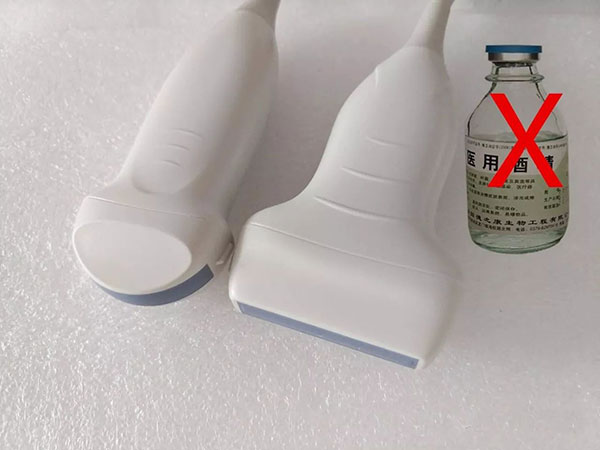
Do not use alcohol to wipe the probe
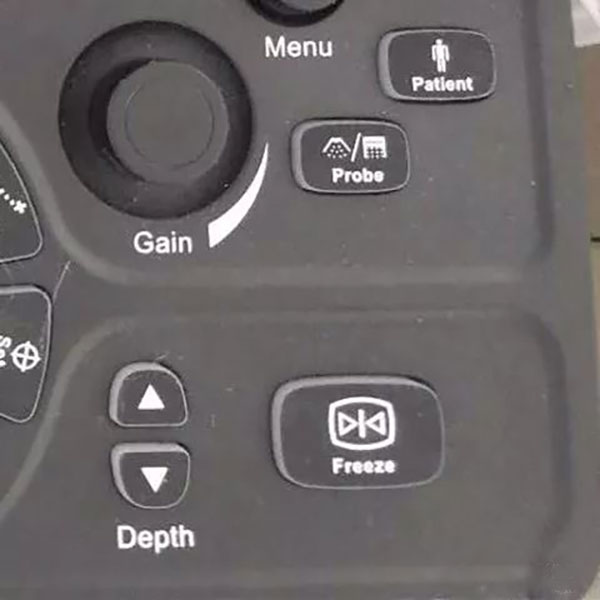
After use, press the freeze button
The probe must be frozen in advance before plugging or unplugging it.
Place the probe in an unstable position and securely place it in the probe cup
Do not touch the monitor screen with fingertips or sharp objects
Things not to do:
1: Use alcohol to wipe the probe
Almost all ultrasound machine manufacturers list alcohol as a liquid that should not come into contact with the transducer. Because alcohol, isopropyl alcohol, etc. will cause gradual damage to the surface of the probe, which may lead to a decrease in image quality, or damage to the insulation layer and cause electric shock to people or animals.
2: Do not press FREEZE after use
Remember to press FREEZE when scanning is completed to activate the freeze mode, otherwise the probe will always be in working mode when not scanning, which will shorten the service life of the probe. Of course, most machines have been set to not use automatic FREEZE for a few minutes. In addition, remember to FREEZE first when plugging or unplugging the probe.
3: Place the probe in an unstable position
Ultrasound machines are not designed for the battlefield and cannot withstand a drop from a height of 1 meter. Replacement of the probe is expensive if the crystal is broken or damaged by shock.
4: Touch the monitor screen with your finger
The surface of the monitor is coated and can only be viewed up close and cannot be touched with fingertips.
Things to do well:
1: Clean the whole machine
At least 2 times a month: Well, increase or decrease as appropriate according to the case volume of your hospital and the situation of the ultrasound room. An environment where dog hair is flying around must be cleaned more often.
Turn off the machine and cut off the power supply before cleaning: the power will also be cut off when replacing the light bulb.
Use a soft, damp cloth for cleaning: not too much water, not too hard cloth, no sprays or other disinfectants. Step by step clean the machine casing, control panel, display, probe wires, and cables.
Don’t forget the dust filter: clean the dust on the filter with a damp cloth. If there is dog hair, use a vacuum cleaner to suck it out to ensure good ventilation.
Trackball cleaning: Clean the trackball and its surroundings with a clean, soft cloth or paper towel, and roll the trackball again.
Control panel; prevent dirt from entering the gaps and causing key jams.
Monitor cleaning: first wipe with a soft cloth with a solvent approved by the manufacturer, and then wipe with a dry and clean lint-free cloth. Do not spray liquid directly on the screen.
2: Probe cleaning
Routine cleaning: After each use, press FREEZE first, and then clean with a soft dry cloth/wet cloth with a little water. You can also use a dry paper towel without paper scraps. Alcohol is prohibited.
Deep cleaning: shut down the machine and cut off the power, clean it according to the "regular cleaning" method, and then wash the probe with neutral soapy water or warm water. If the stain is dry, soak it appropriately. Only soak the sound window and below (soaking above the joints may cause water to enter and damage the probe), wipe it with a soft dry cloth and wait until it is dry.
Note: Cleaning supplies should have a pH as close to neutral as possible. Cleaners containing the following ingredients are prohibited: Any detergent containing surfactants, methanol, ethanol, benzyl or methanol, bleach, methyl or ethyl benzoate, polyethylene glycol, mineral oil, lubricants, oil-based lotions, acetone, Ammonia, anhydrous ammonia, iodine, iodide, acids with a pH value greater than or equal to 5. These may damage or discolor the probe. It is not recommended to use any brushes as the bristles have the potential to damage the acoustic window material.
3: Probe disinfection
Disinfection methods are based on the chemical compatibility of the probe material, while bioavailability is also considered in pet hospitals. Only when these two aspects are met can it be used clinically. Therefore, you must refer to the instructions of each equipment manufacturer to choose the appropriate disinfection method and disinfectant.
Disinfectant wipes and disinfectant sprays are FDA-approved, and there is no guarantee that these products are reliable.
Clinically, disinfection methods for pets should be selected based on the degree of risk:
(1) Medium and high-risk situations: such as puncture, severe infectious disease, contact with damaged unhealthy skin, contact with mucous membranes, etc. You can consider using sterile protective sleeves or film wrapping, low-temperature sterilization, etc.
(2) Low risk: routine diseases. Just routine cleaning is enough.