Introduction: The Essential Role of a Medical Incinerator
In the realm of modern healthcare, the safe and effective disposal of medical waste is an essential part of maintaining hygiene, preventing infections, and ensuring environmental safety. A medical incinerator plays a vital role in achieving this goal.
A medical incinerator is a specially designed furnace used to burn and sterilize hazardous biological waste generated from hospitals, clinics, laboratories, and other healthcare facilities. By reducing waste volume and neutralizing pathogens, medical incinerators help minimize environmental contamination risks and promote public health.
To explore cutting-edge and reliable medical incinerators, visit the YSENMED Medical Incinerator Collection.
What Is a Medical Incinerator?
A medical incinerator is an advanced machine that burns medical waste at extremely high temperatures (typically 850°C to 1200°C). This high-temperature combustion process not only reduces waste to ash but also destroys harmful pathogens, pharmaceuticals, and toxic chemicals that could otherwise pose serious health and environmental threats.
Medical waste that requires incineration includes:
-
Infectious waste (e.g., contaminated dressings, blood-soaked materials)
-
Pathological waste (e.g., tissues, organs, body parts)
-
Sharps (e.g., needles, scalpels)
-
Pharmaceutical waste (e.g., expired or unused medications)
-
Laboratory waste
-
Chemical waste (e.g., solvents, disinfectants)
Using a medical incinerator is often considered the safest method of handling high-risk waste, especially for infectious and pharmaceutical materials.
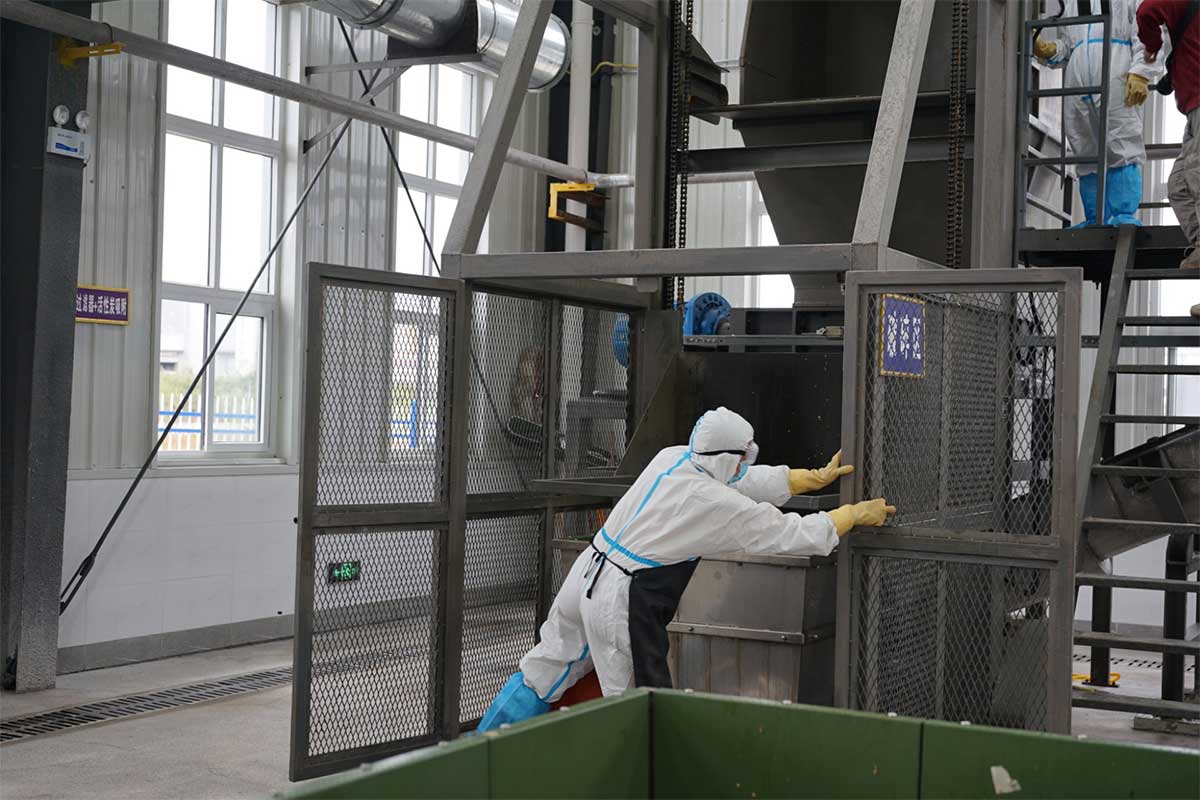
The Working Principle of a Medical Incinerator
The operation of a medical incinerator is based on high-temperature combustion in a controlled environment. The process involves several stages:
1. Waste Feeding
Medical waste is loaded into the incinerator's primary chamber. Depending on the model, waste can be fed manually or through automated systems.
2. Primary Combustion
The waste undergoes initial burning at temperatures around 850°C. In this stage:
-
Organic materials are combusted.
-
Pathogens are thermally destroyed.
-
Waste volume is significantly reduced.
The combustion requires a sufficient supply of oxygen to ensure complete burning.
3. Secondary Combustion
Gases and partially combusted residues from the primary chamber move to a secondary chamber, where they are burned at even higher temperatures (around 1100°C to 1200°C). Here:
-
Remaining toxic gases are oxidized.
-
Dioxins and furans, which are hazardous pollutants, are broken down.
-
The exhaust gases become less harmful before release.
4. Gas Treatment and Emissions Control
Advanced medical incinerators are equipped with pollution control devices, such as:
-
Scrubbers
-
Cyclonic separators
-
Filters
These devices ensure that the gases released into the atmosphere meet environmental standards and minimize the release of harmful substances.
5. Ash Collection
After combustion, only sterile ash remains. This ash can be safely disposed of in landfills without posing biological hazards.
Key Components of a Medical Incinerator
A high-quality medical incinerator typically includes:
-
Primary combustion chamber
-
Secondary combustion chamber
-
Burners (oil, gas, or diesel-powered)
-
Automatic waste loading system (optional)
-
Air supply system (forced air or natural draft)
-
Emission control system (filters, scrubbers)
-
Chimney or stack with monitoring equipment
-
Control panel for operational monitoring
-
Ash collection system
Types of Medical Incinerators
Depending on the waste volume, budget, and regulatory requirements, there are different types of medical incinerators:
1. Static Hearth Incinerators
Simple and cost-effective, suitable for small hospitals.
2. Rotary Kiln Incinerators
Designed for continuous operation and handling large volumes of waste.
3. Mobile Incinerators
Mounted on trailers, allowing deployment in remote or emergency areas.
4. Double-Chamber Incinerators
Feature both primary and secondary combustion chambers for complete sterilization and pollutant control.
5. High-Capacity Medical Waste Incinerators
Engineered for large hospitals or centralized waste treatment facilities.
Visit the YSENMED Medical Incinerator Collection to find the model that suits your facility's needs.
Why Use a Medical Incinerator?
There are many reasons why healthcare facilities worldwide choose medical incinerators:
-
Infection Control: Immediate neutralization of infectious agents.
-
Volume Reduction: Waste is reduced by up to 90% in volume.
-
Environmental Safety: Proper gas treatment reduces harmful emissions.
-
Regulatory Compliance: Meets national and international waste disposal laws.
-
Cost-Effectiveness: Eliminates the need for expensive third-party waste disposal services.
-
On-site Management: Enables facilities to manage waste independently.
-
Emergency Preparedness: Essential for responding to pandemics, outbreaks, or disasters.
How to Choose the Right Medical Incinerator?
When selecting a medical incinerator, consider these key factors:
-
Waste Type and Volume: Match the incinerator capacity with the amount of waste generated.
-
Temperature Requirements: Ensure the model can maintain high temperatures to destroy pathogens and toxic chemicals.
-
Fuel Type: Options include diesel, gas, or dual-fuel models.
-
Emission Controls: Advanced filtration and treatment systems to meet environmental regulations.
-
Automation Level: Manual loading vs. automatic feeding options.
-
Ease of Maintenance: Accessible design for routine maintenance.
-
Portability: Consider mobile models if flexibility is needed.
-
Compliance Standards: ISO, CE, and national health authority certifications.
YSENMED offers a wide range of compliant, efficient, and durable medical incinerators.
Maintenance of a Medical Incinerator
Proper maintenance ensures optimal performance and longevity:
-
Daily: Clean the combustion chambers and remove residual ash.
-
Weekly: Inspect burners, air systems, and emission control devices.
-
Monthly: Calibrate sensors and emission monitoring systems.
-
Annually: Conduct full inspections by certified engineers.
Timely maintenance not only extends the life of your medical incinerator but also ensures regulatory compliance and environmental safety.
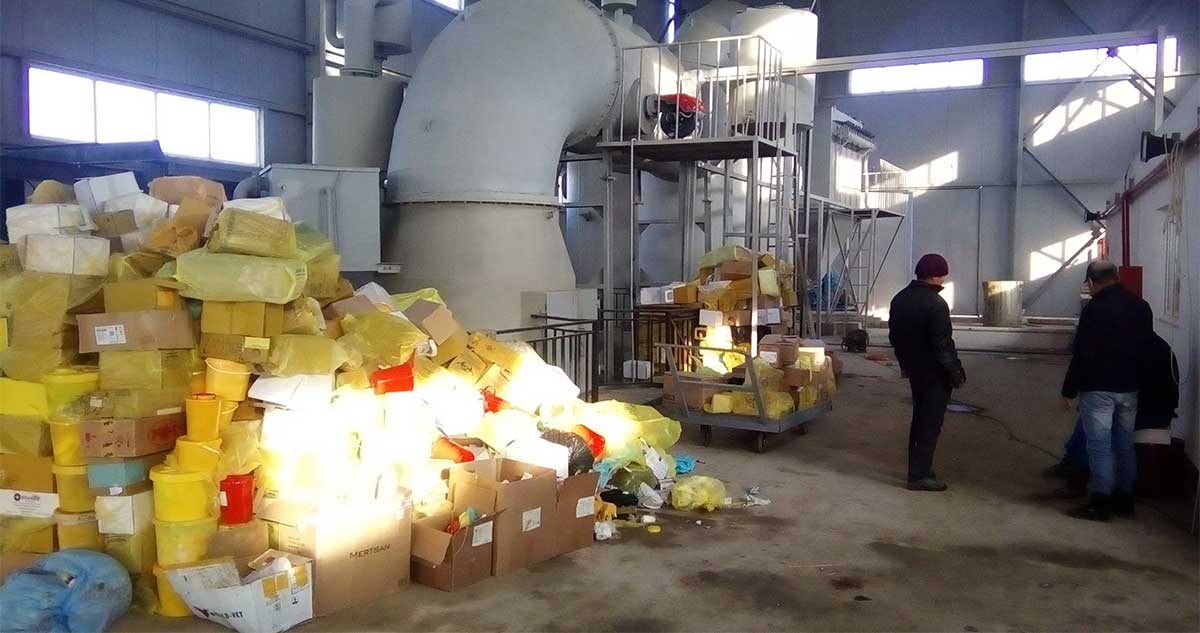
Innovations in Medical Incinerator Technology
Modern advances have significantly improved the performance and sustainability of medical incinerators:
-
Energy Efficiency: Innovations reduce fuel consumption by up to 30%.
-
Low-Emission Designs: Cutting-edge filters and scrubbers minimize air pollutants.
-
Automated Operation: Smart systems monitor and control the process.
-
Remote Monitoring: Some models allow performance tracking via online platforms.
-
Eco-Friendly Options: Some incinerators can recover energy from waste heat.
-
Portable Units: For disaster relief, rural areas, and field hospitals.
YSENMED continually invests in research and development to provide the next generation of eco-friendly and efficient medical incinerators.
Environmental Considerations
The incineration of medical waste must comply with strict environmental guidelines:
-
Minimize Dioxins and Furans: Secondary combustion chambers reduce the formation of these toxic compounds.
-
Proper Emission Control: Scrubbers, filters, and gas treatment systems are essential.
-
Sustainable Ash Disposal: Ash must be tested for toxicity before landfill disposal.
-
Monitoring: Continuous emissions monitoring ensures compliance with air quality standards.
Our YSENMED Medical Incinerators are designed to meet or exceed environmental protection requirements.
FAQs About Medical Incinerators
Q: What temperature does a medical incinerator operate at?
A: Typically between 850°C and 1200°C, depending on the waste type and regulatory requirements.
Q: Are medical incinerators safe for the environment?
A: Yes, modern incinerators include gas cleaning systems to minimize emissions.
Q: What type of waste should not be incinerated?
A: Certain radioactive, explosive, or highly volatile substances are unsuitable for standard medical incinerators.
Q: How often should a medical incinerator be maintained?
A: Daily cleaning and annual full inspection are recommended for safe operation.
Q: Can a medical incinerator be used for veterinary waste?
A: Absolutely. Veterinary clinics and hospitals also benefit from using medical incinerators.
Conclusion: Trust YSENMED for Your Medical Incinerator Needs
Understanding how a medical incinerator works is crucial for healthcare facilities aiming for safe, efficient, and environmentally responsible waste management. By investing in a high-quality, compliant medical incinerator, facilities can protect their patients, staff, and the surrounding community.
At YSENMED, we are proud to offer state-of-the-art medical incinerators designed with efficiency, safety, and sustainability in mind.
Explore our collection today and find the perfect medical incinerator solution for your healthcare facility!