Introduction to Hemodialysis and Hemodialysis Machine
Hemodialysis is a life-saving treatment for individuals suffering from end-stage renal disease (ESRD) or severe kidney dysfunction. In healthy individuals, the kidneys filter the blood, removing waste products, balancing electrolytes, and regulating fluid levels. However, when the kidneys lose their function, these critical tasks must be performed externally. This is where the Hemodialysis Machine becomes crucial.
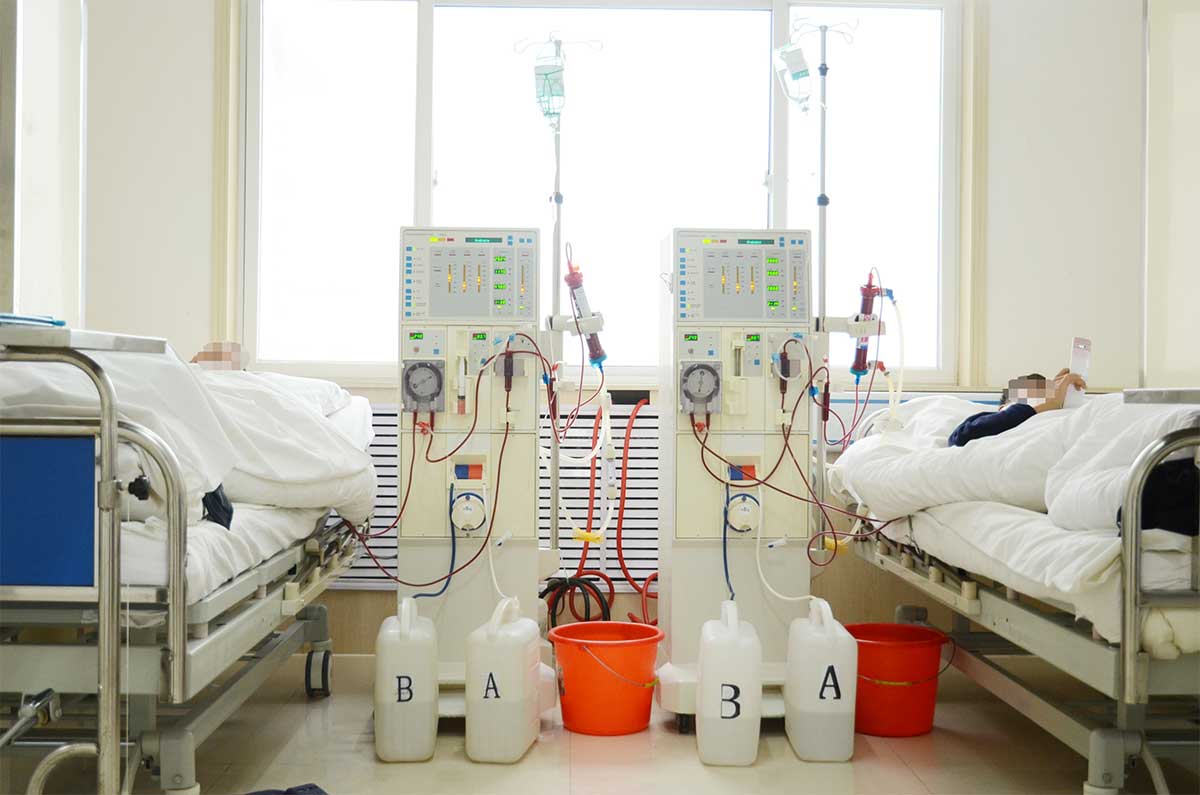
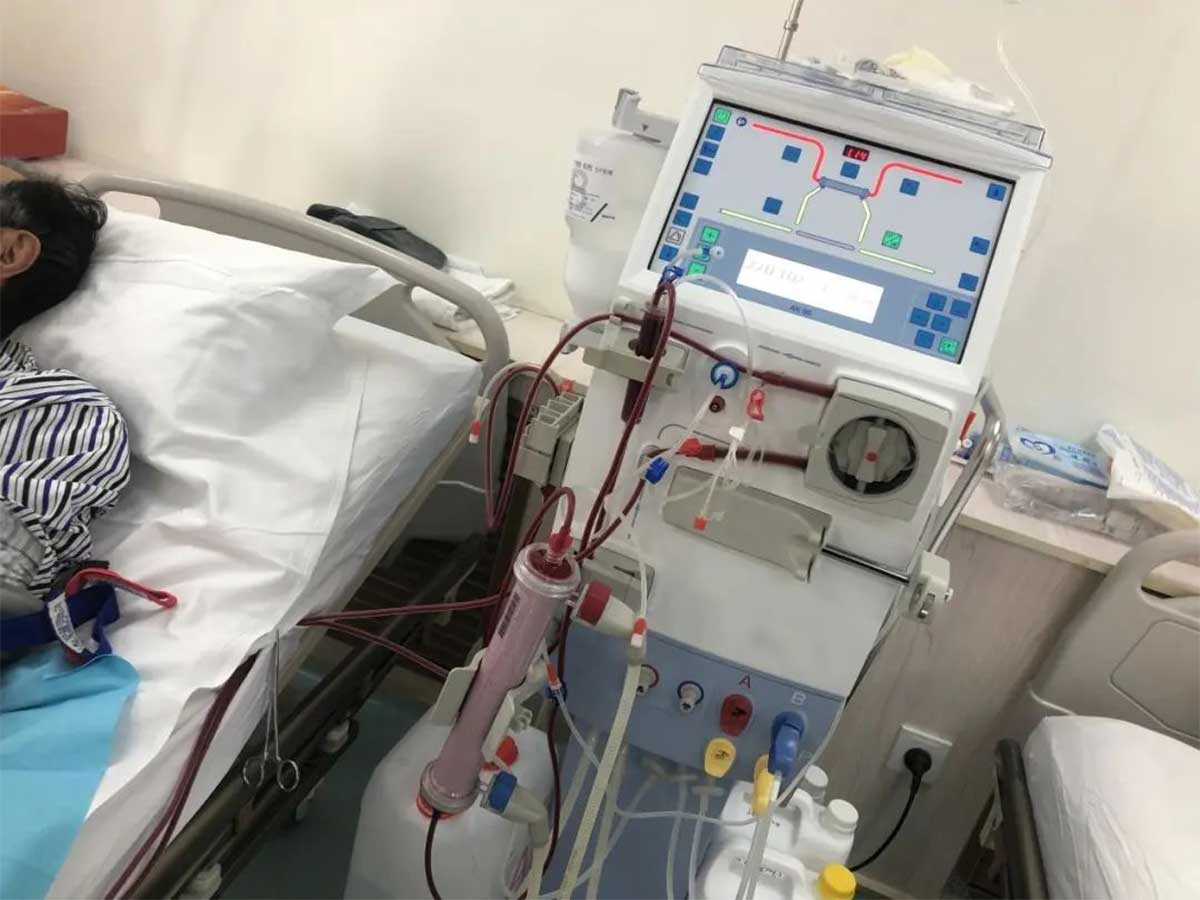
A Hemodialysis Machine acts as an artificial kidney. It removes waste, excess chemicals, and fluid from the patient's blood. Without this device, patients with kidney failure would face life-threatening accumulation of toxins in their bloodstream.
With the increasing prevalence of chronic kidney disease (CKD) worldwide, Hemodialysis Machines have become indispensable in hospitals, specialized dialysis centers, and even home settings.
If you are searching for reliable and advanced Hemodialysis Machines, explore the YSENMED Hemodialysis Machine Collection, offering cutting-edge solutions for modern healthcare facilities.
How Does a Hemodialysis Machine Work?
The hemodialysis process revolves around a simple yet highly efficient principle: diffusion across a semi-permeable membrane. Blood flows on one side of the membrane, while a special dialysate fluid flows on the other side. Toxins, waste products, and excess electrolytes pass through the membrane into the dialysate, while essential components remain in the blood.
The Hemodialysis Machine manages the entire process, including:
-
Blood Pumping: The machine draws the patient’s blood into a filter (dialyzer).
-
Dialyzer Function: Inside the dialyzer, blood passes through thousands of hollow fibers with semi-permeable membranes.
-
Diffusion and Filtration: Waste and toxins diffuse out of the blood into the dialysate.
-
Blood Return: The cleaned blood is then returned to the patient’s body.
The machine monitors and controls blood flow rate, dialysate composition, temperature, and pressure levels to ensure patient safety and treatment efficiency.
Modern Hemodialysis Machines are equipped with sophisticated sensors, automatic alarms, and user-friendly interfaces to support precise dialysis sessions tailored to each patient's medical needs.
Main Components of a Hemodialysis Machine
Understanding the main components of a Hemodialysis Machine helps appreciate its complexity and vital role in treatment:
-
Blood Pump: Circulates blood from the patient to the dialyzer and back.
-
Dialysate Delivery System: Prepares and pumps dialysate fluid to the dialyzer.
-
Dialyzer (Artificial Kidney): The core component where blood purification occurs.
-
Heparin Pump: Delivers anticoagulants to prevent blood clotting during dialysis.
-
Pressure Monitors: Track arterial and venous pressures to avoid complications.
-
Air Bubble Detector: Prevents air embolism by detecting air in the blood circuit.
-
Conductivity and Temperature Sensors: Ensure dialysate concentration and temperature are within safe ranges.
-
Ultrafiltration Control: Removes precise volumes of fluid as prescribed.
-
User Interface and Control Panel: Touchscreen or button-based systems for healthcare professionals to monitor and adjust parameters.
-
Alarm System: Provides audio and visual alerts for anomalies such as pressure drops, air bubbles, or flow interruptions.
Types of Hemodialysis Machines
Different types of Hemodialysis Machines are designed to meet various clinical and patient needs:
1. Conventional Hemodialysis Machines
These standard machines are used in dialysis centers for regular treatments, typically three times a week.
2. High-Flux Hemodialysis Machines
They utilize high-permeability dialyzers, allowing more efficient removal of larger molecules.
3. Home Hemodialysis Machines
Compact and user-friendly, these machines enable patients to perform dialysis sessions at home, increasing convenience and quality of life.
4. Portable Hemodialysis Machines
Lightweight and mobile, ideal for traveling patients needing flexible treatment options.
5. Hemodiafiltration Machines
Combine hemodialysis and hemofiltration techniques for superior clearance of toxins, especially middle-molecular weight substances.
At YSENMED, we provide a broad range of Hemodialysis Machines, catering to hospital use, home care, and mobile treatment requirements.
Clinical Applications of Hemodialysis Machines
Hemodialysis Machines play a pivotal role in the following clinical scenarios:
-
Chronic Kidney Disease (CKD) Management: For patients at Stage 5 CKD, hemodialysis is a standard life-support therapy.
-
Acute Kidney Injury (AKI): Temporary hemodialysis may be needed to manage kidney failure caused by trauma, infections, or toxins.
-
Drug Overdose Treatment: In specific cases, hemodialysis assists in clearing toxins from the bloodstream.
-
Pre- and Post-Transplant Care: Hemodialysis is essential while patients await kidney transplants and immediately after surgery if necessary.
-
Home-Based Chronic Care: Many stable patients manage their therapy at home using advanced home hemodialysis equipment.
Maintenance and Care for Hemodialysis Machines
Proper maintenance ensures safety, performance, and durability of Hemodialysis Machines. Key maintenance practices include:
-
Regular Disinfection: Internal pathways must be disinfected daily or weekly, depending on usage intensity.
-
Filter Replacement: Water filters and dialysate lines require scheduled replacements.
-
Leak Checks: Frequent checking for leaks in blood and dialysate circuits is critical.
-
Performance Calibration: Sensors, pumps, and alarms need periodic testing and calibration.
-
Software Updates: Upgrading machine firmware improves safety, adds new features, and maintains compliance.
-
Professional Servicing: Annual or semi-annual servicing by certified biomedical engineers is strongly recommended.
YSENMED offers after-sales technical support and maintenance services, ensuring optimal operation throughout the machine’s lifecycle.
Key Factors to Consider When Choosing a Hemodialysis Machine
Selecting the right Hemodialysis Machine is vital for ensuring effective patient care. Important factors to evaluate include:
-
Dialysis Efficiency: Look for machines with proven high-flux performance.
-
Patient Comfort: Quiet operation, customizable settings, and shorter treatment times improve the patient experience.
-
User Interface: A simple, intuitive interface enhances safety and reduces staff training time.
-
Data Integration: Modern machines should integrate with hospital information systems (HIS) for real-time data tracking.
-
Portability: For home or mobile applications, consider compact and lightweight models.
-
Durability: Machines built with high-quality materials last longer and require fewer repairs.
-
Certifications and Standards: Ensure compliance with ISO, CE, and FDA standards.
-
After-Sales Support: Reliable service and spare parts availability are essential.
For a comprehensive selection of superior Hemodialysis Machines, browse the YSENMED Hemodialysis Machine Collection.
Future Trends in Hemodialysis Technology
Hemodialysis technology is evolving rapidly, with trends pointing towards:
-
Artificial Intelligence (AI) Integration: Predictive maintenance, personalized treatment protocols, and enhanced monitoring through AI algorithms.
-
Wearable Artificial Kidneys: Research continues into compact wearable dialysis devices for continuous treatment.
-
Improved Biocompatibility: Advanced dialyzer membranes that better mimic natural kidney function and reduce immune responses.
-
Remote Monitoring: Telemedicine features that allow clinicians to monitor dialysis treatments remotely in real-time.
-
Green Dialysis: Environmentally friendly machines with lower water and energy consumption.
-
Home-Centric Care Models: More sophisticated home dialysis machines supporting overnight, short daily, or nocturnal dialysis.
YSENMED remains at the forefront of innovation, delivering solutions that support the future of renal care.
FAQs about Hemodialysis Machines
Q: How long does a typical hemodialysis session last?
A: A standard hemodialysis session lasts around 3-5 hours, performed three times a week.
Q: Is home hemodialysis safe?
A: Yes, with proper training and equipment, home hemodialysis is safe and offers better quality of life for many patients.
Q: How often does a hemodialysis machine need maintenance?
A: Routine checks are daily or weekly; professional servicing is recommended every 6-12 months.
Q: Can hemodialysis cure kidney failure?
A: No, hemodialysis replaces kidney function but does not cure the underlying disease.
Conclusion: Trust YSENMED for Advanced Hemodialysis Solutions
The Hemodialysis Machine is more than a piece of medical equipment — it is a lifeline for millions of people suffering from kidney failure worldwide. Understanding its functions, components, and clinical importance empowers healthcare providers to deliver better care and extend patients’ lives.
At YSENMED, we are committed to offering premium-quality Hemodialysis Machines designed with cutting-edge technology, user-friendly interfaces, and maximum patient safety in mind.
Discover our full range today and invest in the future of renal healthcare with YSENMED.