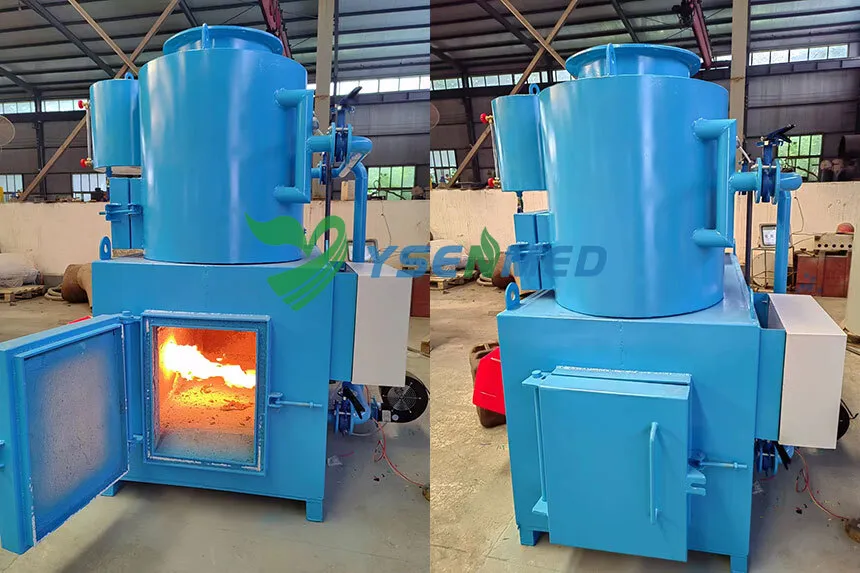
With increasingly stringent global medical waste disposal regulations, the demand for efficient and environmentally friendly medical waste incinerators continues to grow. Hospitals, laboratories, and medical institutions must invest in compliant waste disposal solutions to ensure safety and regulatory compliance. This article will explore the price trends of medical waste incinerators, the factors affecting costs, and provide purchasing recommendations.
Current market price range of medical incinerators
The price of medical waste incinerators varies depending on capacity, technology, and environmental standards. Based on industry data, the market prices are approximately as follows:
-
Small Incinerators (for clinics and small medical institutions): $5,000 - $20,000
-
Medium Incinerators (for hospitals and laboratories): $20,000 - $50,000
-
Large Incinerators (for large hospitals and waste treatment centers): $50,000 - $200,000
-
High-end Environmental Incinerators (equipped with advanced emission control technology): $100,000 and above
For example, our YSFS-150 model is an ideal choice for medium-sized medical institutions, offering efficient waste incineration capabilities at a reasonable price. The YSFS-500 incinerator is designed for large hospitals and ensures compliance with strict emission regulations.
Factors Affecting the Price of Medical Waste Incinerators
The cost of medical waste incinerators is influenced by several factors:
-
Capacity and Processing Power: The higher the processing capacity, the higher the price. For instance, the YSFS-1000 model is suitable for large medical centers and can handle large volumes of medical waste.
-
Emission Control Technology: Incinerators with secondary combustion chambers and filtration systems meet environmental standards but come at a higher cost. For example, the YSFS-300 uses advanced gas purification technology to effectively reduce pollutant emissions.
-
Fuel Type and Energy Efficiency: Incinerators can run on diesel, natural gas, or electricity, and the energy efficiency of the unit affects operational costs. Our YSFS-200 gas incinerator is more cost-effective for long-term use.
-
Automation and Monitoring Systems: Devices with digital control panels, real-time monitoring, and automatic feeding functions are generally more expensive. For example, the YSFS-600 features a user-friendly digital interface that simplifies operation.
-
Regulatory Compliance: Incinerators that meet EU and US EPA standards require additional filtration and emission control systems, which increases the price. The YSFS-800 model meets both WHO and EPA emission standards.
-
Customization and Accessories: Additional burners, ash handling systems, and noise reduction features can influence the final price. Many of our models are customizable according to customer needs.

Historical Development of Medical Waste Incinerators
Medical waste incinerators originated in the late 19th century, primarily used to destroy infectious waste generated by hospitals. As environmental regulations tightened, incinerator technology evolved from early single-stage combustion systems to modern dual-chamber combustion and high-temperature plasma incineration technology.
Over the past few decades, medical incinerators have gone through several stages of development:
-
Late 19th Century: As hospitals and laboratories grew, medical waste disposal became a significant public health issue. Initially, medical waste was either landfilled or burned outdoors, leading to pollution and disease transmission risks. Early medical incinerators were developed to handle infectious waste within hospitals.
Technological Innovations and Developments
-
Early 20th Century: Basic incineration technology was used, without emission control devices, leading to smoke and harmful gas pollution. These early incinerators were typically made from brick structures and had low combustion efficiency, unable to fully break down harmful components in medical waste.
-
Mid 20th Century: High-temperature incineration technology was introduced to improve the combustion rate of medical waste. This period saw the development of secondary combustion chambers to further oxidize organic compounds in exhaust gases, reducing black smoke and harmful emissions.
-
Late 20th Century: As environmental regulations tightened, incinerators began to be equipped with exhaust gas treatment systems such as spray washers and activated carbon filters. Combustion control technology was improved to automatically adjust combustion temperatures and oxygen supply, enhancing combustion efficiency and reducing pollution. Some advanced countries began promoting plasma incineration technology, which uses higher temperatures to completely break down harmful substances.
Modern Medical Waste Incinerators
Entering the 21st century, the medical waste disposal industry faced stricter environmental regulations, and medical incinerators entered a new era of automation and efficiency.
-
Intelligent and Automated: Modern medical waste incinerators are equipped with PLC intelligent control systems for one-touch operation, reducing human intervention. Remote monitoring and data collection systems ensure real-time monitoring of the incineration process, ensuring complete combustion and compliance with emission standards.
-
Energy-Efficient Design: Waste heat recovery technology is used to improve energy utilization, allowing the heat generated during incineration to be used for heating or electricity generation. The combustion chamber design is optimized to reduce fuel consumption and lower operating costs.
-
Stricter Emission Standards: Modern medical incinerators use low-nitrogen combustion technology, wet scrubbing, electrostatic dust collection, and other environmental protection equipment to ensure emissions meet EU, US EPA, and other international environmental standards. Some units even use plasma combustion technology to completely break down harmful gases like dioxins.
Future Trends
In the future, medical waste incinerators will focus more on environmental protection, efficiency, and intelligence. Here are a few key trends:
-
Stricter Environmental Standards: Governments worldwide will further raise the environmental requirements for medical waste disposal, and incinerator manufacturers will need to continuously optimize equipment to meet new standards.
-
Intelligent and Remote Management: Future incinerators will increasingly use artificial intelligence and IoT technologies for remote control, fault prediction, and intelligent adjustment.
-
Multi-Energy Utilization: Future incinerators may combine renewable energy sources such as solar and geothermal to reduce reliance on traditional fuels.
-
Modular Design: Future incinerators will be more modular, allowing medical institutions to adjust capacity and functions based on their needs.
How to Optimize Investment Costs
To ensure cost-effective purchases of incinerators, buyers should:
-
Evaluate the daily waste generation of medical institutions and select an incinerator with the appropriate capacity.
-
Compare different brands and obtain detailed quotes, including installation and maintenance costs.
-
Choose high-efficiency models to reduce long-term operating costs.
-
Ensure that the equipment complies with regulations to avoid additional costs due to upgrades or violations.
-
Calculate the total cost of ownership, including fuel consumption and maintenance costs.
Maintenance and Care of Medical Waste Incinerators
To ensure the long-term operation of the equipment, regular maintenance is necessary for medical waste incinerators:
-
Daily Maintenance:
-
Burning Chamber Cleaning: Clean the ash and residue inside the combustion chamber after each operation to prevent buildup that could affect combustion efficiency.
-
Burner Inspection: Regularly check burner nozzles to prevent clogging and ensure even fuel or gas spray.
-
Ventilation System Maintenance: Ensure the blower and exhaust fan are operating normally, and check for blockages or air leaks.
-
Temperature Monitoring: Regularly calibrate temperature sensors to ensure the combustion temperature is within the set range.
-
Control System Check: Periodically test the PLC control system, ensuring the program is correct and all cable connections are secure.
-
Regular Maintenance:
-
Monthly Maintenance:
-
Inspect and clean fuel or gas supply pipelines to prevent leaks.
-
Clean the filtration devices to prevent dust or impurities from clogging.
-
Observe the combustion status and adjust parameters if necessary.
-
Quarterly Maintenance:
-
Thoroughly inspect the flue and chimney, removing accumulated ash to prevent blockages.
-
Maintain exhaust gas treatment systems, including activated carbon filters and spray washers.
-
Perform combustion efficiency tests to ensure waste is fully incinerated.
-
Annual Maintenance:
-
Conduct a comprehensive inspection of key components such as burners, blowers, and motors.
-
Assess wear on high-temperature materials like refractory bricks and linings, replacing them if necessary.
-
Upgrade the system to improve the incinerator's environmental performance.
Common Failures and Troubleshooting Methods
During use, medical waste incinerators may experience various failures, and timely troubleshooting can prevent disruptions in normal operation:
Safety Management of Medical Waste Incinerators
-
Operational Norms: All operators must undergo professional training, familiarizing themselves with incinerator operations and emergency handling procedures.
-
Fire Safety: Equip the area with fire extinguishers and ensure no flammable materials are near the equipment.
-
Environmental Monitoring: Regularly monitor exhaust emissions to ensure compliance with environmental regulations.
-
Equipment Records: Keep detailed records of every maintenance, service, and troubleshooting activity to track the equipment's status.
Frequently Asked Questions (FAQ)
-
What is the ideal operating environment for a medical waste incinerator?: The ideal environment should have good ventilation and be located away from densely populated areas to reduce exposure to smoke.
-
Do incinerators meet international environmental standards?: Our incinerators comply with WHO, EPA, EU, and other international environmental standards, using secondary combustion chambers and gas filtration systems to ensure emissions meet the highest standards.
-
What is the average operating lifespan of a medical waste incinerator?: With proper maintenance, the average lifespan of a medical waste incinerator is 10-15 years.
-
Are spare parts readily available?: Yes, we offer a wide range of spare parts for our models and provide after-sales service to ensure your equipment runs smoothly.
-
How can we ensure the waste is fully incinerated?: Ensure the incinerator is correctly adjusted for temperature, oxygen supply, and feed rate. Regular maintenance and checks help achieve complete combustion.
Medical waste incinerators play a crucial role in safe and efficient waste management. Understanding market trends and cost factors helps buyers make informed decisions. If you're looking for a reliable and cost-effective medical waste disposal solution, visit our medical waste incinerator product page or contact us for a customized quote!