Introduction
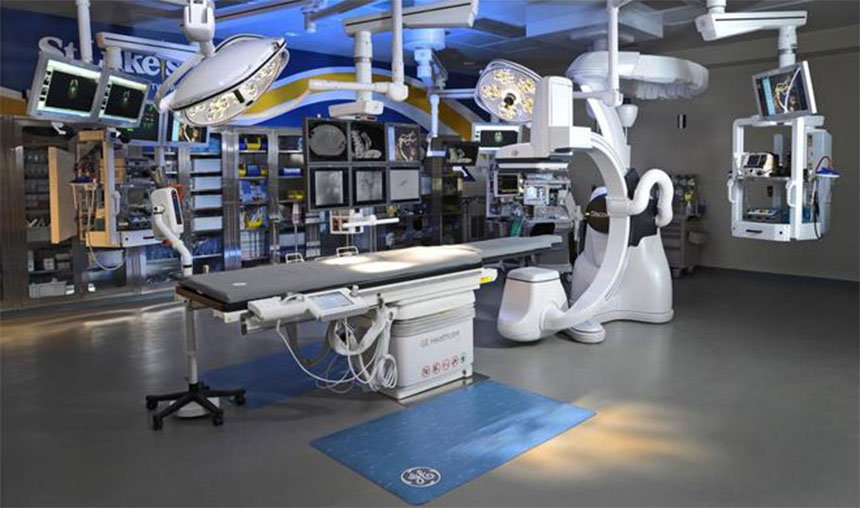
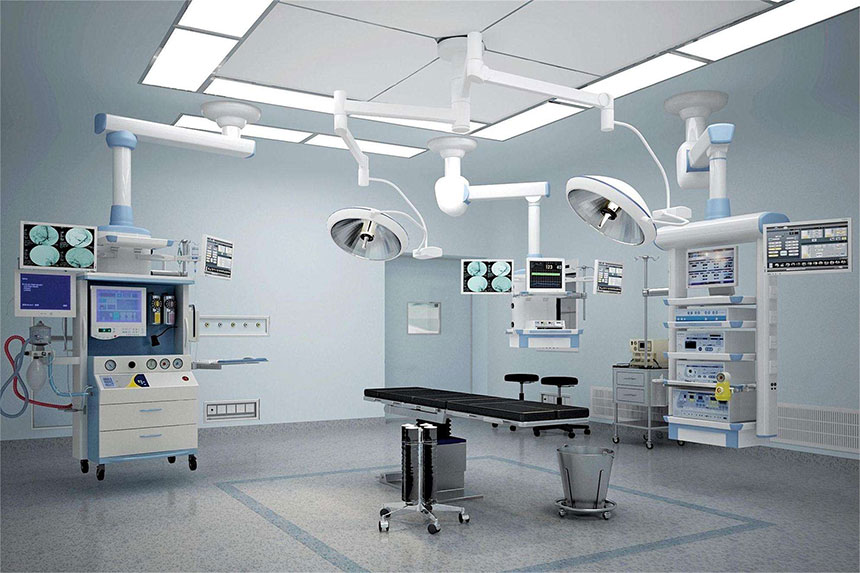
Examples of operating equipment include surgical lights, anesthesia machines, defibrillators, surgical tables, ECG machines, electrocautery units, infusion pumps, patient monitors, and various surgical instruments. These devices play a crucial role in ensuring successful surgical procedures, patient safety, and optimal medical outcomes. Operating rooms (OTs) are highly specialized environments that require state-of-the-art equipment to support surgeons, anesthesiologists, and other medical professionals during procedures.
1. Surgical Lights
Surgical lights are essential in the OT, providing consistent and shadow-free illumination to enhance visibility during surgeries. There are different types of surgical lights:
-
LED Surgical Lights: These lights are preferred due to their high energy efficiency, long lifespan, and ability to produce bright, clear illumination with minimal heat emission. They enhance color accuracy and reduce eye strain for surgeons.
-
Halogen Surgical Lights: While older, they are still in use in some hospitals. Halogen lights provide intense illumination but produce more heat, which can be uncomfortable during long surgeries.
-
Ceiling-mounted and Mobile Lights: Ceiling-mounted lights offer a fixed, stable light source, while mobile units provide flexibility for different surgical setups. Some modern lights have adjustable intensity and focus, enabling precision lighting based on the surgical procedure.
2. Anesthesia Machines
Anesthesia machines are critical for maintaining patient sedation during surgical procedures. They consist of multiple components, each playing a vital role in ensuring a safe and effective anesthesia delivery process.
-
Oxygen Supply System: Supplies oxygen to the patient at controlled rates.
-
Vaporizer: Converts liquid anesthetic agents like isoflurane and sevoflurane into a gaseous form for inhalation.
-
Ventilator: Assists patients in breathing when they are under general anesthesia.
-
Carbon Dioxide Absorber: Removes exhaled CO2 to maintain safe respiratory function.
-
Integrated Monitoring System: Tracks vital signs such as oxygen levels, heart rate, and blood pressure to ensure patient safety. Modern anesthesia machines come with advanced safety mechanisms, such as automated alarms for gas imbalances, backup ventilation options, and digital displays for precise control over anesthesia administration.
3. Defibrillators
Defibrillators are life-saving devices used to restore normal heart rhythms in cases of sudden cardiac arrest or arrhythmias. The two main types used in OT are:
-
Automated External Defibrillators (AEDs): Designed for emergency resuscitation, these portable devices analyze the heart's rhythm and deliver electric shocks when necessary.
-
Manual Defibrillators: Used by trained medical professionals to deliver controlled electric shocks, allowing more precise intervention based on a patient’s cardiac condition. Advanced defibrillators come with ECG monitoring, biphasic waveforms for efficient shock delivery, and real-time guidance to assist healthcare providers in resuscitation efforts.
4. Surgical Tables
Surgical tables provide a stable and adjustable platform for patients during operations. Different types of surgical tables cater to specific procedures:
-
General Surgical Tables: Adjustable to accommodate various procedures, including general surgery and minor operations.
-
Orthopedic Tables: Designed with additional attachments for positioning limbs during orthopedic surgeries.
-
Neurosurgical Tables: Equipped with precise positioning capabilities for delicate brain and spine surgeries.
-
Bariatric Surgical Tables: Built to support overweight patients safely. Modern surgical tables feature radiolucent tabletops to facilitate intraoperative imaging, electronic controls for seamless adjustments, and memory settings for quick positioning.
5. ECG Machines
Electrocardiogram (ECG) machines are vital in monitoring a patient’s heart activity before, during, and after surgery. They provide real-time readings that help in detecting arrhythmias, ischemia, and other cardiac anomalies. Features include:
-
12-lead ECG Monitoring: Offers a comprehensive heart activity analysis.
-
Real-time Waveform Display: Ensures immediate detection of abnormalities.
-
Hospital Network Integration: Allows remote monitoring and data storage for further analysis. ECG machines enhance patient safety by providing continuous cardiac assessments, enabling quick intervention if complications arise.
6. Electrocautery Units
Electrocautery units are used in surgeries for cutting tissue and controlling bleeding through high-frequency electrical currents. These devices improve precision and reduce intraoperative blood loss.
-
Monopolar Electrocautery: Commonly used for large tissue dissection and coagulation.
-
Bipolar Electrocautery: Used for more delicate procedures, minimizing the risk of damage to surrounding tissues. Modern electrocautery units feature adjustable power settings, automatic coagulation modes, and integrated smoke evacuation systems to enhance the surgical environment.
7. Infusion Pumps
Infusion pumps play a critical role in delivering precise amounts of fluids, medications, or nutrients to patients. Different types include:
-
Volumetric Pumps: Deliver large volumes of fluids with precise control.
-
Syringe Pumps: Used for administering small, controlled doses of medication.
-
Patient-Controlled Analgesia (PCA) Pumps: Allow patients to self-administer pain relief medication within prescribed limits. Modern infusion pumps come with programmable dosage settings, real-time monitoring, and built-in safety alarms to prevent overdosing.
8. Patient Monitors
Patient monitors continuously track vital signs such as heart rate, blood pressure, oxygen saturation, respiratory rate, and temperature. Advanced models include:
-
Capnography for CO2 Monitoring: Essential in patients under anesthesia.
-
Arrhythmia Detection Algorithms: Helps in early detection of cardiac abnormalities.
-
Integrated Data Storage: Allows trend analysis for post-operative assessments. These devices provide real-time feedback, enabling surgeons and anesthesiologists to respond swiftly to any complications.
-
9. Surgical Instruments
Surgical instruments vary based on the type of procedure. Common categories include:
-
Cutting Instruments: Scalpels, scissors.
-
Grasping Instruments: Forceps, clamps.
-
Retractors: Used to hold tissues open during surgery.
-
Suturing Instruments: Needle holders, sutures. Proper sterilization and maintenance of these instruments are crucial to prevent infections and ensure optimal surgical outcomes.
10. Imaging Equipment in OT
Modern OTs integrate imaging technologies such as:
-
C-arm X-ray Machines: Provide real-time fluoroscopy for orthopedic and vascular procedures.
-
Ultrasound Machines: Assist in guiding minimally invasive surgeries.
-
MRI and CT Scanners: Used for intraoperative imaging in neurosurgery and other complex procedures. These imaging tools enhance precision and reduce the need for repeat surgeries.
Conclusion
Equipping an operating room with advanced medical devices is essential for ensuring successful surgical outcomes and patient safety. From anesthesia machines to ECG monitors and surgical tables, each component plays a crucial role in modern healthcare. Investing in high-quality OT equipment enhances efficiency, minimizes risks, and improves overall patient care.
If you are looking for state-of-the-art OT equipment, explore our latest products here: Medical OT Equipment.