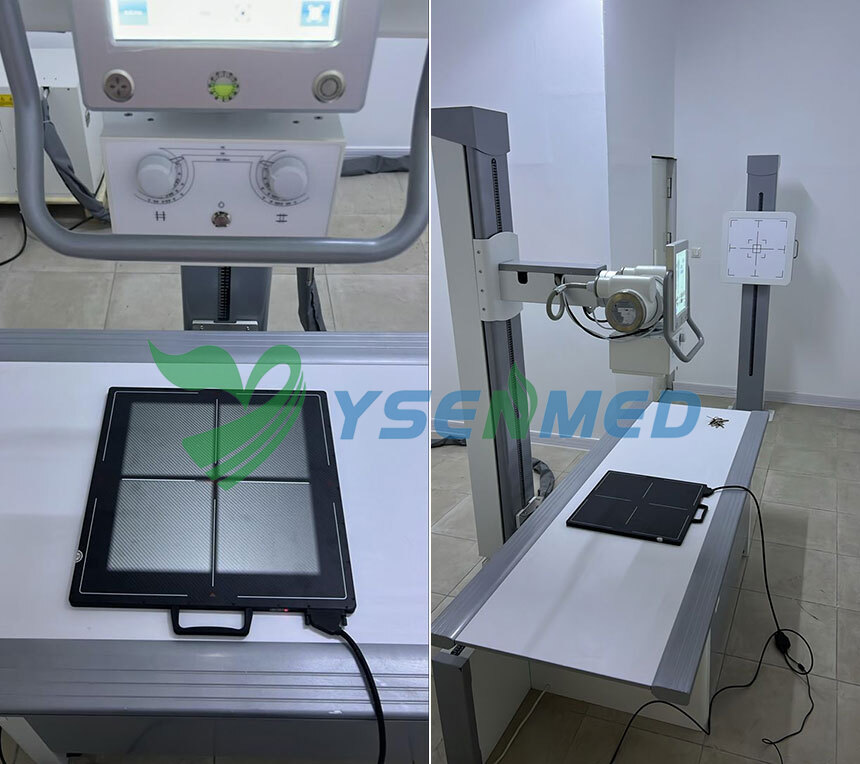
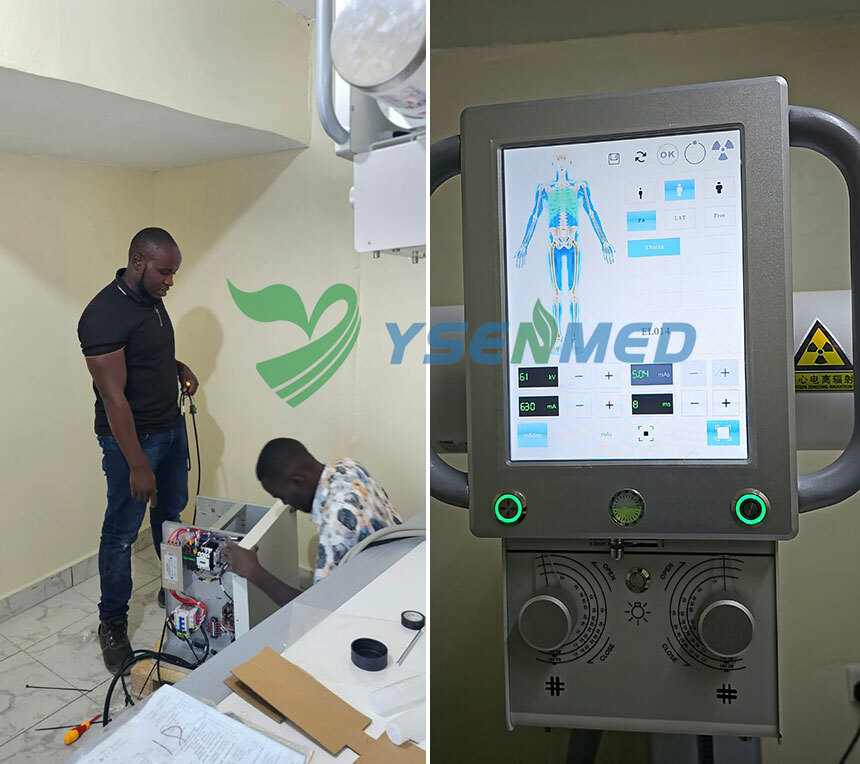
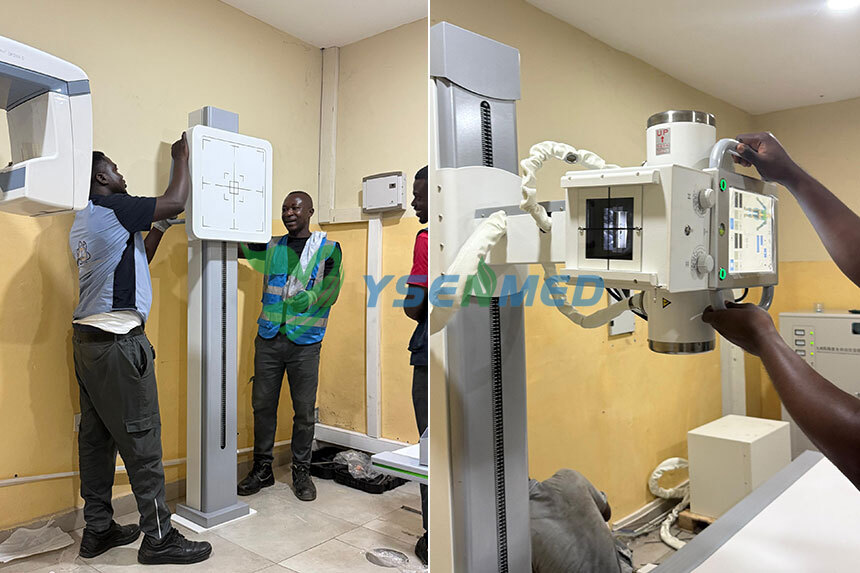
Mobile X-ray equipment is widely used in clinical diagnostic work in hospitals, and X-ray images are an indispensable diagnostic tool in modern medicine. According to its imaging principle, it can be divided into mobile C-arm machine, DR and CR, and even mobile CT is also used. It is mostly used in radiology departments, orthopedics, wards, emergency rooms, operating rooms, ICU, etc. It can meet the needs of digital photography of various parts of the human body such as head, limbs, chest, spine, lumbar spine, abdomen, etc. These equipments do not have fixed places of use, and often these places do not have radiation protection functions. Although environmental assessments of nuclear technology utilization and occupational disease hazard assessments have been carried out, more attention should be paid to safety protection measures. The specific technical requirements are as follows:
1. The setting of the medical diagnostic X-ray machine room must fully consider the protection and safety of adjacent rooms and surrounding places. It can generally be located at one end of the ground floor of the building. For computer rooms located in multi-story buildings, the ceiling and floor should be considered as corresponding side walls, and full attention should be paid to the protection and safety of adjacent rooms above and below. The doors and windows of the computer room must be set up reasonably and have the same protection thickness as the walls where they are located.
2. When using mobile and portable X-ray diagnostic equipment, a temporary control area should be set up around it; when using mobile and portable X-ray diagnostic equipment, radiation shielding measures should be taken in areas other than those being inspected, and the direction of X-ray irradiation should be away from Open an area for non-inspected persons.
3. When performing bedside mobile X-ray examinations, if there are members of the public who cannot leave the radiation area, the main ray shall not be directed toward the members of the public. Mobile X-ray shielding measures shall be adopted, and the lead equivalent of the shielding body shall not be less than 0.25 mmPb.
4. The medical exposure received by the subject should follow the legitimacy of radiation practice and the optimization principles of radiation protection, and avoid all unnecessary exposure. Medical X-ray examination and diagnosis that are really necessary for legitimate reasons must be obtained after obtaining While providing the required diagnostic information, the dose under examination is controlled to the lowest level that is reasonably achievable.
5. When performing bedside operations, patients who cannot move or have difficulty moving in the adjacent bed should be separated by a lead screen with a lead equivalent of not less than 2 mmPb, or a lead protective skirt with a lead equivalent of not less than 0.25 mmPb should be used for wrapped shielding protection.
6. The length of the cable connecting the mobile X-ray diagnostic equipment to the exposure switch should be no less than 3 m, or it should be equipped with a wireless remote control exposure switch.
7. When mobile X-ray diagnostic equipment is used, the dose equivalent rate around the boundary of the temporary control zone should not be greater than 25 μSv/h under short-term exposure conditions, and the dose equivalent rate around the boundary of the temporary control zone under fluoroscopy conditions should not be greater than 2.5 μSv. /h.
8. The layout of the computer room must be reasonable, and debris unrelated to diagnostic work must not be piled up. The computer room must be well ventilated. There should be an ionizing radiation sign outside the computer room door and an eye-catching work indicator light should be installed.
9. All health care workers operating mobile X-ray equipment must receive specialized training and certification in radiation safety and technology. This training equips them with the knowledge and skills needed to operate the equipment safely and minimize radiation exposure.
10. Hospitals must establish designated radiation areas with appropriate shielding and barriers to protect personnel in adjacent areas from unnecessary radiation exposure. Lead aprons and lead-lined walls are key components of these safety measures.
11. Regulatory agencies set specific exposure limits that must be strictly adhered to. These limits are designed to prevent excessive radiation exposure and ensure the safety of patients and health care workers. It is important to adhere to these restrictions.
12. Routine maintenance, calibration and quality assurance procedures are critical to ensure accurate delivery of radiation doses. Hospitals should develop maintenance plans and protocols to resolve equipment failures promptly.
13. Frequent monitoring of radiation dose levels and comprehensive record keeping are essential to ensure that radiation exposure remains within acceptable limits. These records not only help manage radiation safety but also serve as a valuable resource for audits and investigations.
14. Patients undergoing X-ray examinations should be appropriately shielded to minimize radiation exposure in non-target areas. Lead shielding devices such as aprons and thyroid collars are often used. Proper patient positioning also plays a critical role in ensuring targeted exposure.
15. Effective communication between healthcare providers and patients is crucial. Informed consent should be obtained for all X-ray procedures, and patients should be educated about the procedure, potential risks, and appropriate safety measures. Educating patients about procedures and safety measures can increase trust and confidence in the healthcare system.
Hospitals have a legal obligation to comply with local, national and international regulations related to the use of mobile X-ray equipment. These regulations are in place to protect the health and well-being of patients and healthcare professionals. Violation of these regulations may result in serious consequences, including legal action and damage to the hospital's reputation.
The important role of mobile X-ray equipment in modern healthcare
Mobile X-ray equipment has become a dynamic and transformative tool in modern medicine. Its mobility, accessibility and ability to provide rapid diagnosis have redefined healthcare practice. However, these advances must be accompanied by a strong commitment to safety. Complying with the protection requirements outlined in this article enables hospitals to benefit from this innovative technology while safeguarding the health and well-being of their patients