The field of medical imaging has seen tremendous advancements over the past few decades, with X-ray technology leading the charge. These advancements have not only improved the diagnostic capabilities of X-ray machines but have also significantly enhanced patient outcomes. This article explores the latest technological innovations in X-ray machines and how they contribute to improved diagnostic accuracy.
Digital Radiography: The Shift from Analog to Digital
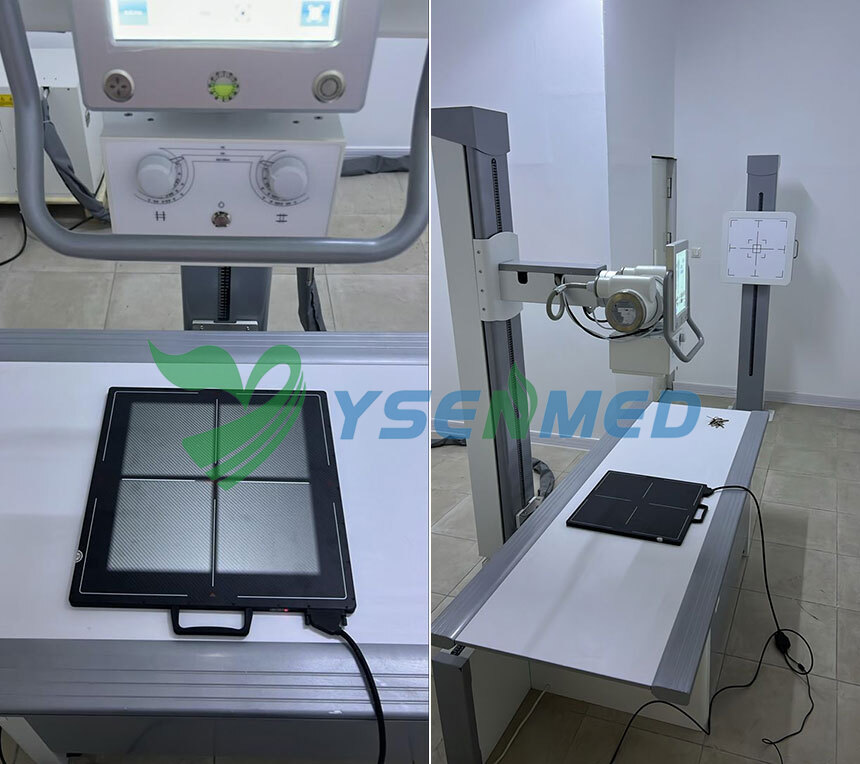
One of the most significant advancements in X-ray technology is the transition from traditional analog systems to digital radiography (DR). Unlike analog systems that use film to capture images, digital radiography employs digital detectors to capture and convert X-ray energy into digital signals. This shift has several advantages:
- Enhanced Image Quality: Digital radiography produces high-resolution images with greater detail and clarity, allowing radiologists to detect even the smallest abnormalities.
- Improved Workflow Efficiency: Digital images can be processed and viewed almost instantaneously, reducing the time patients spend in the radiology department.
- Lower Radiation Dose: Advanced digital detectors are more sensitive to X-rays, enabling the use of lower radiation doses while maintaining image quality.
- Ease of Storage and Retrieval: Digital images can be easily stored in electronic health records and accessed by healthcare professionals from different locations.
Cone Beam Computed Tomography (CBCT)
Cone Beam Computed Tomography (CBCT) is a revolutionary advancement in X-ray imaging, particularly in dental and maxillofacial radiology. CBCT utilizes a cone-shaped X-ray beam and a flat-panel detector to capture detailed 3D images of the patient's anatomy. Key benefits of CBCT include:
- 3D Imaging: Unlike traditional 2D X-rays, CBCT provides three-dimensional images, offering a comprehensive view of the patient's anatomy. This is particularly useful for complex dental procedures and implant planning.
- Accurate Measurements: CBCT allows for precise measurement of bone density and structure, aiding in the accurate placement of dental implants.
- Reduced Scan Time: CBCT scans are quick, often taking less than a minute, which minimizes patient discomfort and reduces motion artifacts.
- Lower Radiation Exposure: CBCT systems are designed to deliver a lower radiation dose compared to traditional CT scans, making them safer for patients.
Dual-Energy X-Ray Absorptiometry (DEXA)
Dual-Energy X-Ray Absorptiometry (DEXA) is a specialized form of X-ray technology used primarily to assess bone mineral density (BMD) and diagnose osteoporosis. DEXA employs two different X-ray energies to differentiate between bone and soft tissue, providing highly accurate measurements of bone density. The advantages of DEXA include:
- High Precision: DEXA offers precise measurements of BMD, making it the gold standard for diagnosing osteoporosis and assessing fracture risk.
- Low Radiation Dose: DEXA scans involve minimal radiation exposure, making them safe for repeated use over time.
- Comprehensive Analysis: In addition to measuring BMD, DEXA can assess body composition, including fat and lean tissue mass, providing valuable information for overall health assessment.
Advanced Image Processing and Artificial Intelligence
Recent advancements in image processing and artificial intelligence (AI) have significantly enhanced the diagnostic capabilities of X-ray machines. AI algorithms can analyze X-ray images to detect abnormalities with high accuracy and speed. Key innovations in this area include:
- Automated Detection: AI-powered software can automatically detect fractures, tumors, and other abnormalities in X-ray images, assisting radiologists in making accurate diagnoses.
- Enhanced Image Interpretation: AI algorithms can highlight areas of concern, quantify lesion size, and compare findings with large datasets, providing radiologists with valuable insights.
- Improved Workflow: AI integration can streamline radiology workflows by prioritizing urgent cases, reducing the time required for image interpretation, and minimizing human error.
- Predictive Analytics: AI can analyze patient data and imaging findings to predict disease progression and treatment outcomes, enabling personalized patient care.
Portable and Mobile X-Ray Units
Portable and mobile X-ray units have become increasingly popular in healthcare settings, particularly in emergency and critical care. These units offer several advantages:
- Convenience: Portable X-ray machines can be brought directly to the patient's bedside, eliminating the need for patient transport and reducing the risk of infection spread.
- Rapid Diagnosis: Mobile X-ray units enable quick imaging and immediate diagnosis, which is crucial in emergency situations.
- Versatility: Portable X-ray systems are used in various settings, including hospitals, clinics, nursing homes, and even in-home care, expanding access to diagnostic imaging.
- Compact Design: Advances in technology have led to the development of lightweight and compact portable X-ray units that are easy to maneuver and operate.
Digital Tomosynthesis
Digital tomosynthesis is an advanced form of X-ray imaging that creates a 3D image of the breast by taking multiple low-dose X-ray images from different angles. It is primarily used in mammography to improve the detection of breast cancer. Benefits of digital tomosynthesis include:
- Improved Cancer Detection: Digital tomosynthesis increases the detection rate of breast cancer, particularly in women with dense breast tissue.
- Reduced Recall Rates: The detailed 3D images help reduce false positives and the need for additional imaging, minimizing patient anxiety and healthcare costs.
- Enhanced Image Quality: The ability to view the breast in thin slices provides clearer visualization of lesions and reduces the overlap of tissues, improving diagnostic accuracy.
- Lower Radiation Dose: Although digital tomosynthesis involves multiple X-ray exposures, the overall radiation dose is comparable to that of standard 2D mammography.
Conclusion
The latest technological advancements in X-ray machines have revolutionized the field of medical imaging, offering significant improvements in diagnostic accuracy and patient care. From digital radiography and CBCT to AI-powered image analysis and portable X-ray units, these innovations provide healthcare professionals with powerful tools to enhance diagnostic capabilities and improve patient outcomes. As technology continues to evolve, we can expect further advancements in X-ray imaging that will continue to push the boundaries of medical diagnostics and treatment. By embracing these innovations, healthcare providers can deliver more accurate, efficient, and personalized care to their patients.