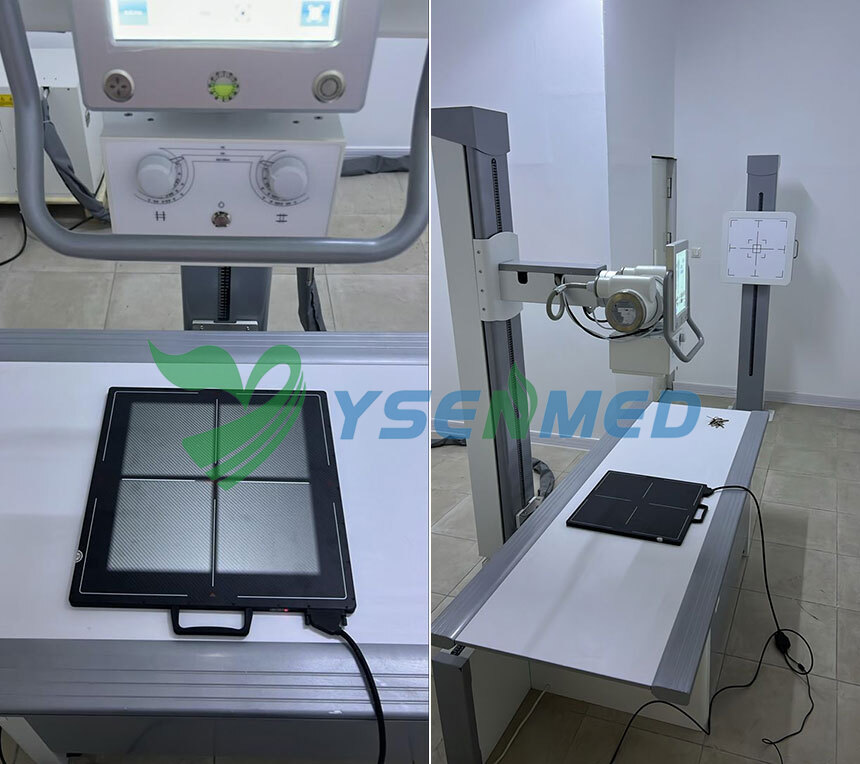
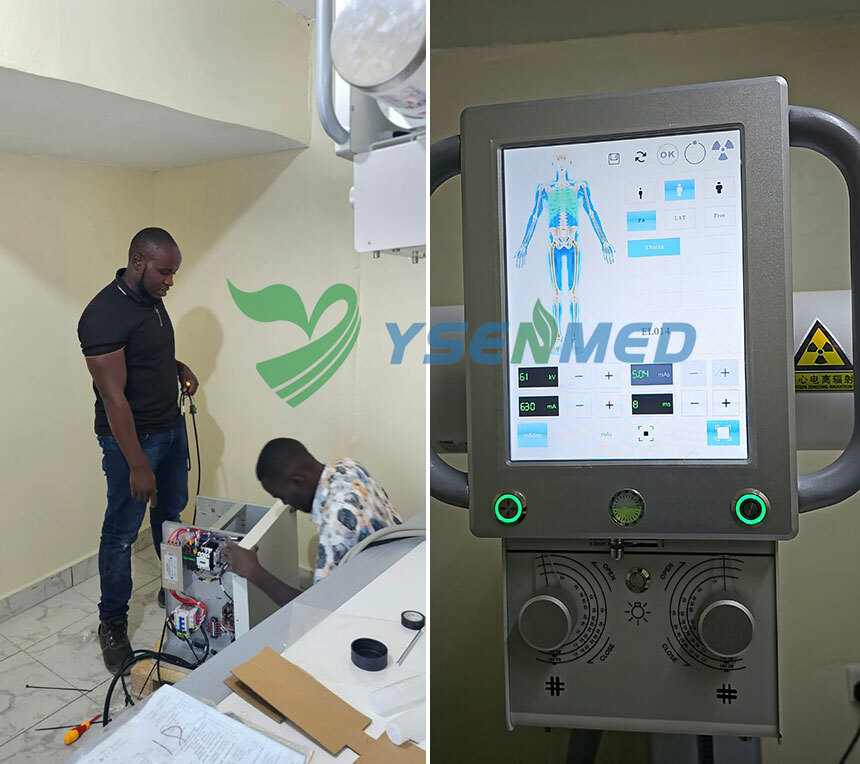
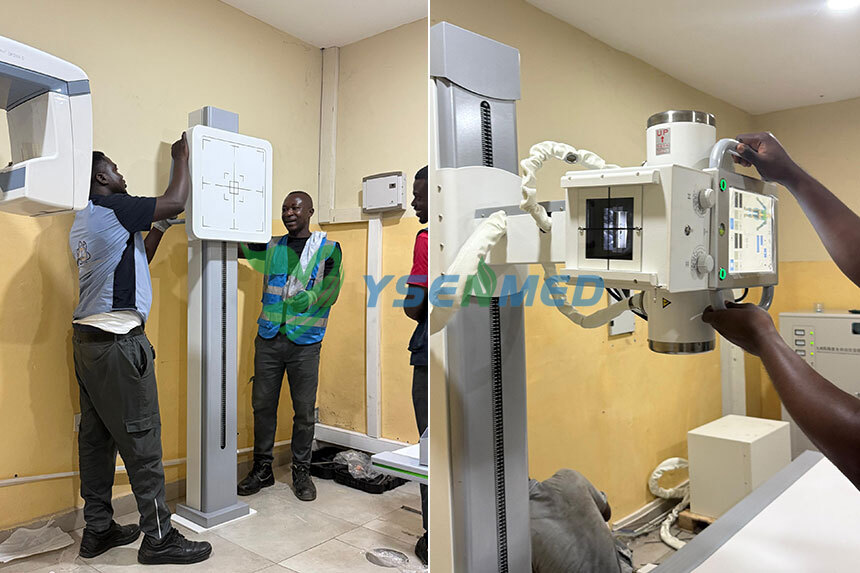
Proper maintenance and care of X-ray machines are crucial for their longevity, reliability, and the quality of diagnostic imaging they produce. This comprehensive guide outlines essential practices, advanced strategies, and the importance of maintenance to ensure X-ray machines operate efficiently over the long term in healthcare settings.
Importance of Regular Maintenance
1. Enhancing Equipment Longevity
- Regular maintenance significantly extends the operational lifespan of X-ray machines. By adhering to manufacturer-recommended schedules for inspection, calibration, and cleaning, healthcare facilities can prevent premature wear and component failure.
- Case Study: A hospital in New York implemented a rigorous maintenance program for their X-ray machines, resulting in a 20% reduction in downtime and a 15% decrease in repair costs over a three-year period. The proactive approach to maintenance not only improved equipment reliability but also enhanced overall patient care efficiency.
2. Ensuring Diagnostic Accuracy
- Accurate diagnostic imaging relies on the precise functioning of X-ray equipment. Regular calibration of imaging systems, including X-ray tubes, detectors, and generators, ensures that images produced meet diagnostic standards.
- Advanced Techniques: The adoption of advanced calibration techniques, such as digital phantom simulations and automated quality assurance software, is becoming increasingly common in modern radiology departments. These methods enable real-time monitoring of imaging performance metrics, ensuring compliance with regulatory guidelines and optimizing diagnostic accuracy.
Essential Maintenance Practices
1. Routine Inspection and Functional Testing
- Conduct routine inspections to identify potential issues before they escalate. Visual inspections should include the examination of external components, such as cables, connectors, and control panels, for signs of wear, corrosion, or mechanical stress.
- Functional Testing: Perform comprehensive functional tests to verify the operational integrity of critical components, including the X-ray tube, imaging system, and mechanical positioning mechanisms. Utilize diagnostic software tools to assess system performance metrics, such as spatial resolution and image contrast, ensuring consistent image quality across diagnostic modalities.
2. Cleaning and Sanitization Protocols
- Implement stringent cleaning protocols to mitigate the risk of cross-contamination and maintain hygienic standards within radiology environments. Daily cleaning procedures should include the disinfection of high-touch surfaces, such as patient tables, imaging consoles, and control panels, using hospital-grade disinfectants.
- Advanced Disinfection Technologies: The integration of ultraviolet (UV) light disinfection systems and antimicrobial surface coatings has emerged as effective strategies for minimizing microbial transmission within radiology suites. These technologies target pathogens on surfaces and equipment, enhancing infection control measures and safeguarding patient safety.
Advanced Maintenance Strategies
1. Predictive Maintenance Techniques
- Adopt predictive maintenance techniques that leverage data analytics and machine learning algorithms to anticipate equipment failures before they occur. By analyzing historical performance data and monitoring real-time operational parameters, healthcare providers can proactively schedule maintenance interventions and component replacements, optimizing equipment uptime and resource allocation.
- Cloud-Based Monitoring Solutions: Cloud-based monitoring platforms enable remote diagnostics and predictive analytics for X-ray machines deployed across multiple healthcare facilities. Real-time alerts and predictive maintenance notifications facilitate proactive decision-making, ensuring continuous operational readiness and minimizing service disruptions.
2. Upgrades and Technology Integration
- Embrace technological advancements and equipment upgrades to enhance the functionality and diagnostic capabilities of X-ray machines. Consider integrating digital imaging systems, advanced image reconstruction algorithms, and artificial intelligence (AI) applications for image interpretation and analysis.
- AI-Powered Image Analytics: The deployment of AI-powered image analytics software facilitates automated anomaly detection and quantitative image analysis, enhancing diagnostic accuracy and clinical decision-making. Machine learning algorithms can detect subtle abnormalities in X-ray images, such as early-stage tumors or fractures, with high sensitivity and specificity.
Radiation Safety and Regulatory Compliance
1. Compliance with Regulatory Standards
- Adhere to regulatory standards and guidelines established by organizations such as the American College of Radiology (ACR) and the International Electrotechnical Commission (IEC) to ensure radiation safety and operational compliance within radiology departments. Conduct regular audits and assessments to verify compliance with radiation shielding requirements, dose monitoring protocols, and equipment performance specifications.
- Quality Assurance Programs: Implement comprehensive quality assurance programs, including annual performance evaluations and dose audits, to maintain ongoing compliance with regulatory requirements and promote continuous improvement in radiological practices.
2. Staff Training and Competency Development
- Invest in staff training and competency development programs to enhance operational proficiency and ensure the safe utilization of X-ray equipment. Training initiatives should cover theoretical knowledge and practical skills related to equipment operation, radiation safety protocols, and emergency response procedures.
- Simulation-Based Training: Utilize simulation-based training exercises and scenario-based simulations to enable healthcare professionals to practice critical decision-making and technical skills in a controlled environment. These training modalities promote proficiency in equipment troubleshooting, patient positioning techniques, and radiation dose optimization strategies.
Conclusion
Proper maintenance and care of X-ray machines are imperative for optimizing operational efficiency, ensuring diagnostic accuracy, and promoting patient safety within healthcare environments. By implementing a proactive approach to maintenance, integrating advanced technologies, and prioritizing compliance with regulatory standards, healthcare providers can mitigate operational risks, enhance equipment longevity, and deliver high-quality diagnostic imaging services to patients. Continuous innovation and investment in maintenance strategies will drive advancements in radiological practices, ultimately improving clinical outcomes and supporting the delivery of patient-centered care in modern healthcare settings.