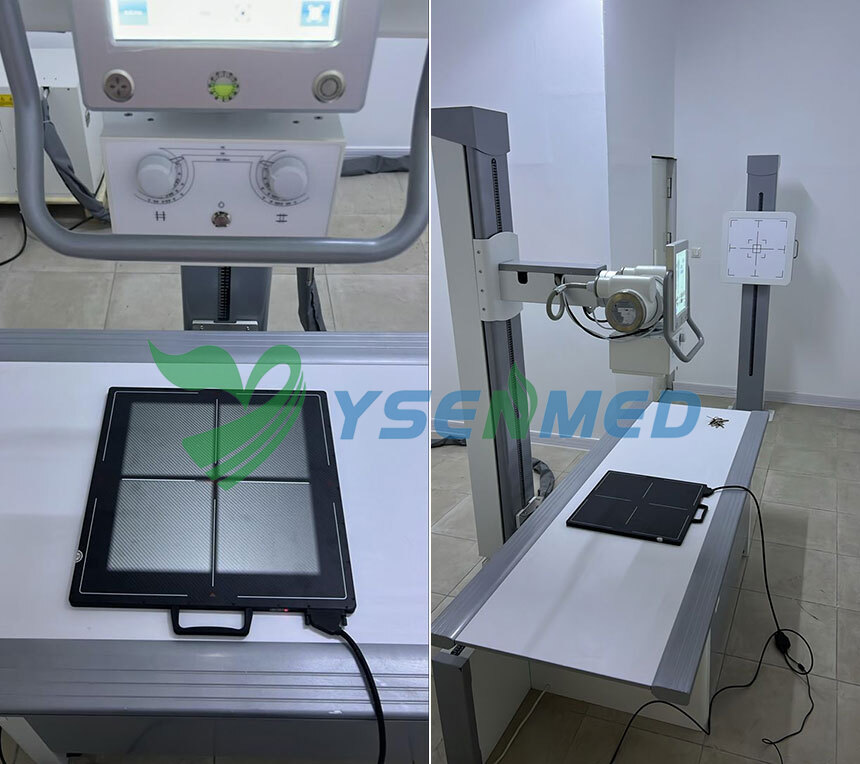
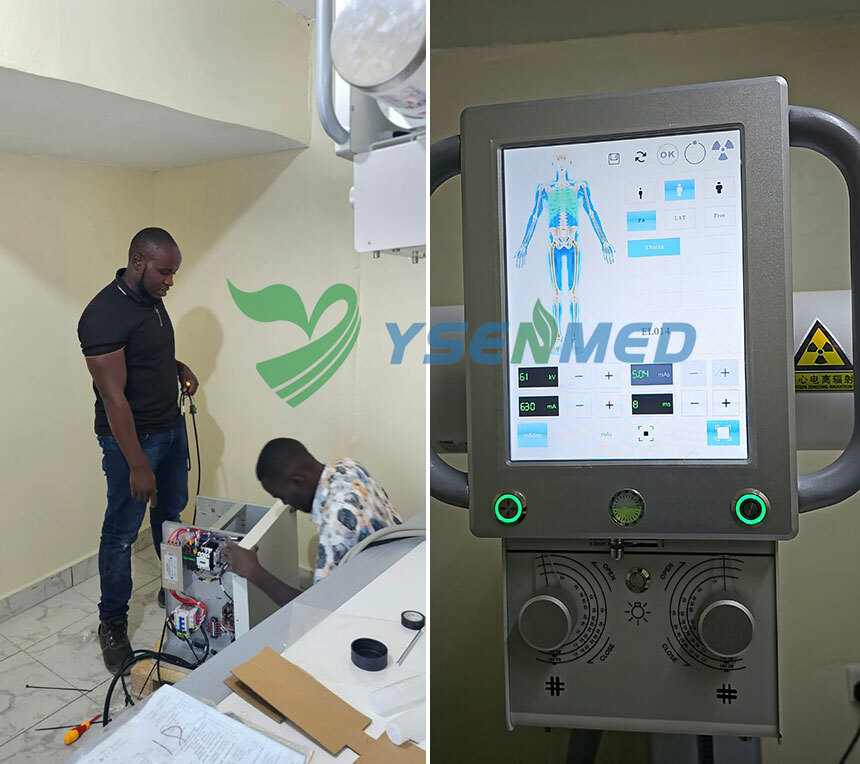
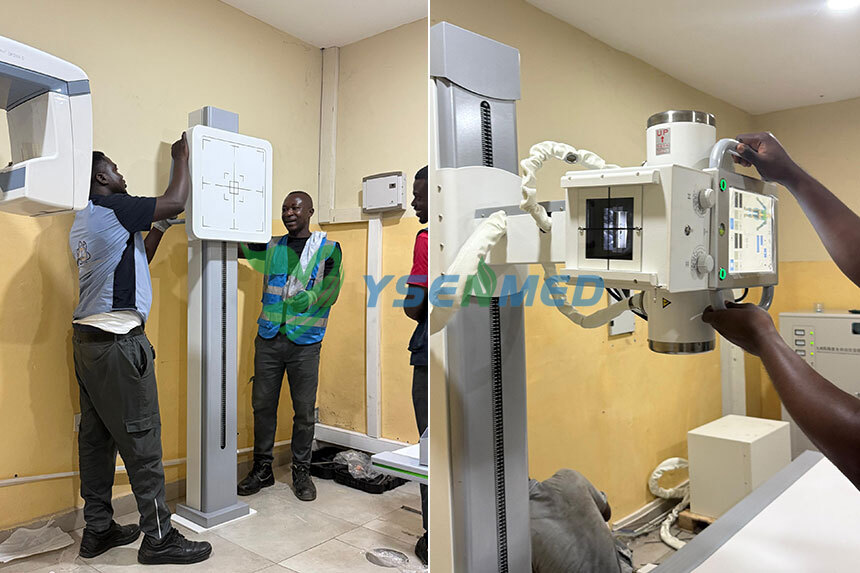
X-ray technology has seen substantial advancements since its inception, making it one of the most vital diagnostic tools in modern medicine. The evolution from basic radiographs to sophisticated digital imaging systems has significantly improved diagnostic accuracy, patient safety, and operational efficiency. This article explores the latest technological innovations in X-ray machines and how they enhance diagnostic accuracy.
Introduction to X-ray Technology
X-ray machines use electromagnetic radiation to create images of the internal structures of the body. These images are crucial for diagnosing a variety of medical conditions, from broken bones and infections to tumors and internal organ abnormalities. The progress in X-ray technology has resulted in machines that offer superior image quality, reduced radiation exposure, and enhanced diagnostic capabilities.
High-Resolution Detectors
A major breakthrough in X-ray technology is the development of high-resolution detectors. These detectors capture images with unprecedented clarity and detail, enabling radiologists to detect even the smallest abnormalities. Constructed from advanced materials, these detectors provide enhanced sensitivity and performance.
Benefits of High-Resolution Detectors
- Improved Image Clarity: High-resolution detectors produce clear and detailed images, making it easier to identify subtle changes in tissue density and structure.
- Increased Diagnostic Accuracy: Superior image quality leads to more accurate diagnoses, significantly improving patient outcomes.
- Reduced Need for Repeated Scans: High-resolution images reduce the need for repeated scans, minimizing radiation exposure to patients.
Digital Radiography (DR) Technology
Digital Radiography (DR) has revolutionized X-ray imaging by replacing traditional film with digital sensors. DR technology offers numerous advantages, including faster image acquisition, improved image quality, and enhanced storage and retrieval capabilities.
Advantages of Digital Radiography
- Faster Image Acquisition: DR systems produce images almost instantly, allowing for quicker diagnosis and treatment.
- Enhanced Image Quality: Digital images can be enhanced and manipulated to improve diagnostic accuracy.
- Efficient Data Management: Digital images can be easily stored, retrieved, and shared, improving workflow efficiency in medical facilities.
Advanced Image Processing Software
Modern X-ray machines are equipped with advanced image processing software that enhances the quality of captured images. These software tools use sophisticated algorithms to improve image contrast, reduce noise, and highlight important details. Advanced image processing is particularly beneficial in complex cases where clear visualization of structures is essential.
Key Features of Advanced Image Processing Software
- Noise Reduction: Reduces image noise, enhancing the clarity and detail of the X-ray images.
- Contrast Enhancement: Improves the contrast between different tissues, making it easier to identify abnormalities.
- Edge Detection: Highlights the edges of structures, aiding in the accurate identification of anatomical features.
Three-Dimensional (3D) Imaging
Three-dimensional (3D) imaging is another groundbreaking innovation in X-ray technology. 3D X-ray machines generate volumetric images that provide a comprehensive view of the patient's anatomy. This capability is particularly useful in fields like orthopedics, oncology, and dentistry, where detailed visualization of complex structures is required.
Benefits of 3D Imaging
- Comprehensive Visualization: 3D images offer a complete view of the patient's anatomy, improving diagnostic accuracy.
- Better Treatment Planning: Detailed 3D images help healthcare providers develop more effective treatment plans.
- Improved Patient Outcomes: Enhanced visualization leads to more accurate diagnoses and better patient care.
Low-Dose Radiation Technology
Radiation exposure is a concern in X-ray imaging, and reducing the dose without compromising image quality is a priority. The latest X-ray machines incorporate low-dose radiation technology that minimizes radiation exposure to patients and medical staff while maintaining high image quality.
Advantages of Low-Dose Radiation Technology
- Enhanced Patient Safety: Lower radiation doses reduce the risk of radiation-related health issues.
- High-Quality Images: Advanced technologies ensure that image quality is not compromised despite the reduced radiation dose.
- Increased Frequency of Use: Low-dose technology allows for more frequent imaging when needed, without excessive radiation exposure.
Artificial Intelligence (AI) Integration
Artificial Intelligence (AI) is making significant inroads into medical imaging, and X-ray machines are no exception. AI algorithms can assist radiologists by analyzing X-ray images and identifying potential abnormalities with high accuracy. AI integration in X-ray machines enhances diagnostic capabilities and improves workflow efficiency.
Key Benefits of AI Integration
- Automated Image Analysis: AI algorithms can quickly analyze images and highlight areas of concern, aiding radiologists in diagnosis.
- Improved Accuracy: AI can detect subtle changes that might be missed by the human eye, improving diagnostic accuracy.
- Enhanced Workflow: AI tools streamline the imaging process, reducing the time required for image interpretation and reporting.
Portable and Mobile X-ray Units
Portability and mobility are essential features in modern healthcare, particularly in emergency and field settings. Portable and mobile X-ray units are designed to be easily transported and used in various locations, providing flexibility and convenience in medical imaging.
Advantages of Portable and Mobile X-ray Units
- Flexibility: Portable units can be used in different settings, including emergency rooms, intensive care units, and field hospitals.
- Rapid Deployment: Mobile X-ray units can be quickly deployed to areas where immediate imaging is required.
- Convenience: These units provide on-the-spot imaging, reducing the need to transport patients to a fixed imaging facility.
Enhanced User Interfaces
The user interface of X-ray machines has seen significant improvements, making them more user-friendly and efficient. Modern X-ray machines feature intuitive touch-screen interfaces, customizable settings, and automated functions that simplify operation and reduce the learning curve for medical staff.
Features of Enhanced User Interfaces
- Intuitive Design: User-friendly interfaces make it easier for operators to perform imaging procedures.
- Customizable Settings: Operators can customize settings based on specific imaging requirements, improving flexibility.
- Automated Functions: Automation reduces the need for manual adjustments, enhancing workflow efficiency.
Integration with Hospital Information Systems (HIS)
Modern X-ray machines can integrate seamlessly with Hospital Information Systems (HIS) and Picture Archiving and Communication Systems (PACS). This integration allows for efficient data management, image storage, and retrieval, as well as improved communication between departments.
Benefits of HIS and PACS Integration
- Streamlined Workflow: Integration with HIS and PACS ensures smooth data flow and reduces administrative workload.
- Easy Access to Patient Data: Radiologists and clinicians can easily access patient history and previous imaging studies, aiding in diagnosis and treatment planning.
- Improved Collaboration: Enhanced communication between departments leads to better coordinated care and improved patient outcomes.
Specialized X-ray Applications
1. Dental Clinics
Dental clinics require specialized X-ray machines, such as intraoral and panoramic X-ray devices, to capture detailed images of teeth and jaw structures. These machines are tailored to meet the specific needs of dental professionals.
Benefits:
- High-Resolution Imaging: Provides clear images of teeth and surrounding structures, aiding in accurate diagnosis and treatment planning.
- Patient Comfort: Designed to be comfortable for patients, reducing anxiety during the imaging process.
- Efficiency: Digital dental X-rays offer quick image acquisition and easy storage, improving workflow in dental practices.
2. Veterinary Clinics
Veterinary clinics utilize X-ray machines designed to accommodate a variety of animals, from small pets to large livestock. These machines provide the necessary flexibility and image quality for veterinary diagnostics.
Benefits:
- Versatility: Suitable for different animal species and sizes, from cats and dogs to horses and cattle.
- Detailed Imaging: High-quality images help diagnose a wide range of conditions in animals, from fractures to internal injuries.
- Ease of Use: Features designed to simplify the imaging process for veterinarians and their staff.
3. Orthopedic Clinics
Orthopedic clinics benefit from specialized X-ray machines that provide detailed images of bones and joints. These machines are essential for diagnosing fractures, dislocations, and other orthopedic conditions.
Benefits:
- High-Resolution Imaging: Detailed images of bones and joints aid in accurate diagnosis and treatment planning.
- Specialized Features: Orthopedic X-ray machines often include features that enhance imaging of skeletal structures.
- Efficient Workflow: Digital systems streamline the imaging process, allowing for quicker diagnosis and treatment.
Future Trends in X-ray Technology
The field of X-ray technology continues to evolve, with several emerging trends poised to further enhance diagnostic capabilities. Some of the future trends include:
1. AI-Enhanced Diagnostics
AI algorithms are expected to become even more sophisticated, providing greater accuracy in image analysis and diagnosis. These advancements will further reduce the burden on radiologists and improve patient outcomes.
2. Wearable X-ray Devices
Wearable X-ray devices are an exciting development that could offer continuous monitoring of certain conditions. These devices would be particularly useful in fields like cardiology and orthopedics, where real-time imaging can provide critical insights.
3. Personalized Imaging Solutions
Advances in technology will enable more personalized imaging solutions tailored to individual patient needs. This personalization will improve diagnostic accuracy and treatment outcomes.
4. Integration with Other Imaging Modalities
Future X-ray machines may integrate with other imaging modalities, such as MRI and CT, to provide comprehensive diagnostic information. This integration would enhance the ability of healthcare providers to make accurate diagnoses and develop effective treatment plans.
Conclusion
The technological innovations in X-ray machines have significantly enhanced their diagnostic accuracy, safety, and efficiency. High-resolution detectors, digital radiography systems, advanced image processing software, 3D imaging, low-dose radiation technology, AI integration, portable and mobile units, enhanced user interfaces, and seamless integration with HIS and PACS are just a few of the