Choosing the right X-ray machine for your medical institution is a pivotal decision that impacts diagnostic capabilities, patient care, and overall operational efficiency. This comprehensive guide provides essential insights and considerations to help healthcare providers navigate the selection process effectively.
Understanding X-ray Machine Types
1. Fixed vs. Mobile X-ray Machines
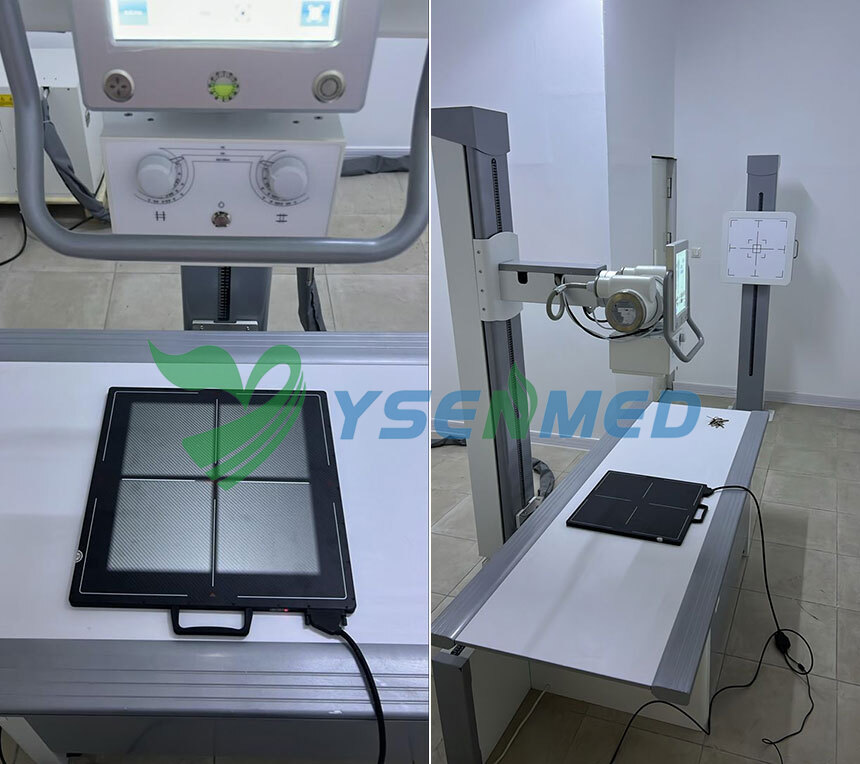
- Fixed X-ray Machines: Installed permanently in dedicated radiology rooms, these units offer high power and advanced imaging capabilities suitable for comprehensive diagnostic imaging across various modalities. They are ideal for hospitals and imaging centers requiring consistent and high-quality imaging services.
- Mobile X-ray Machines: Designed for flexibility, these units can be easily maneuvered to patient bedsides or emergency settings. They are ideal for conducting bedside imaging quickly and efficiently, enhancing patient care in critical care environments, emergency departments, and nursing homes.
2. Analog vs. Digital X-ray Systems
- Analog Systems: Utilize traditional film-based technology requiring chemical processing. While cost-effective, they lack the digital advantages of efficiency and image manipulation found in modern systems.
- Digital Systems: Capture images electronically, offering immediate availability, superior image quality, and the ability to manipulate and store images digitally. They enhance diagnostic accuracy and streamline workflow processes within healthcare settings.
Key Considerations for Choosing an X-ray Machine
1. Imaging Requirements
- Diagnostic Needs: Evaluate your institution's specific diagnostic requirements, including the types of studies (e.g., general radiography, fluoroscopy, mammography) and anticipated patient volumes. Consider whether the machine needs to accommodate specialized imaging techniques such as angiography or orthopedic studies.
- Image Quality: Consider the desired image resolution, contrast, and clarity necessary for accurate diagnosis and treatment planning across various medical specialties. High-resolution imaging is critical for detecting subtle abnormalities and guiding interventions.
2. Workflow Integration
- Compatibility: Ensure seamless integration with existing IT infrastructure, including Picture Archiving and Communication Systems (PACS), Radiology Information Systems (RIS), and Electronic Health Records (EHR). Compatibility facilitates efficient image management, storage, retrieval, and sharing across healthcare facilities.
- Workflow Efficiency: Assess how the X-ray machine interfaces with your institution's workflow to minimize downtime, optimize patient throughput, and enhance operational efficiency. Features such as automated imaging protocols and intuitive user interfaces streamline workflow and reduce the burden on radiology staff.
3. Safety and Regulatory Compliance
- Radiation Safety: Prioritize machines that comply with stringent radiation safety standards and regulations established by organizations such as the American College of Radiology (ACR), International Electrotechnical Commission (IEC), and local regulatory bodies. Ensure the machine includes dose monitoring and reduction features to minimize patient and staff exposure to radiation.
- Quality Assurance: Select machines equipped with built-in quality assurance features, such as automatic exposure control (AEC) and image processing algorithms, to maintain consistent image quality. Routine quality control tests, calibration checks, and preventive maintenance schedules are essential to ensure reliable performance and compliance with regulatory requirements.
4. Budget and Cost Considerations
- Initial Investment: Compare upfront costs, including equipment purchase price, installation expenses, and any necessary facility modifications (e.g., electrical upgrades, radiation shielding). Consider financing options, leasing arrangements, and potential return on investment (ROI) based on enhanced diagnostic capabilities and operational efficiency.
- Operational Costs: Evaluate ongoing expenses such as maintenance contracts, service fees, and consumables (e.g., imaging plates, digital detectors) to estimate total cost of ownership over the equipment's lifecycle. Budgetary planning should include provisions for equipment upgrades, software updates, and staff training to maximize long-term value and sustainability.
5. Ergonomics and User-Friendliness
- Operator Comfort: Choose an X-ray machine with ergonomic design features, adjustable height settings, and intuitive user interfaces to minimize operator fatigue and facilitate ease of use during extended imaging sessions. Operator comfort and safety are critical for maintaining productivity and reducing the risk of musculoskeletal injuries.
- Training and Support: Ensure access to comprehensive training programs and technical support from the manufacturer or authorized service providers. Staff training should cover equipment operation, radiation safety protocols, image acquisition techniques, troubleshooting procedures, and compliance with regulatory standards. Ongoing support ensures efficient equipment utilization and timely resolution of technical issues, enhancing overall patient care delivery.
Steps to Selecting the Right X-ray Machine
1. Needs Assessment and Stakeholder Engagement
- Conduct a thorough needs assessment involving radiologists, technologists, IT personnel, and administrative staff to identify specific operational requirements, clinical preferences, and patient care priorities. Engage key stakeholders throughout the decision-making process to foster collaboration and align purchasing decisions with institutional goals.
2. Research and Vendor Evaluation
- Research reputable X-ray machine manufacturers and suppliers known for their expertise in medical imaging technology. Evaluate product specifications, features, performance capabilities, and customer reviews to narrow down potential vendors.
- Request product demonstrations and trials to assess machine performance, usability, and compatibility with existing infrastructure. Solicit feedback from end-users, including radiology staff and clinical departments, to gauge user satisfaction and functionality in real-world healthcare environments.
3. Consultation with Radiology Experts
- Seek guidance from radiology consultants, medical physicists, and healthcare technology specialists to gain expert insights into technical specifications, radiation safety considerations, and regulatory compliance requirements. Collaborate with experts to navigate complex purchasing decisions, negotiate vendor contracts, and ensure alignment with industry standards and best practices.
4. Installation Planning and Training
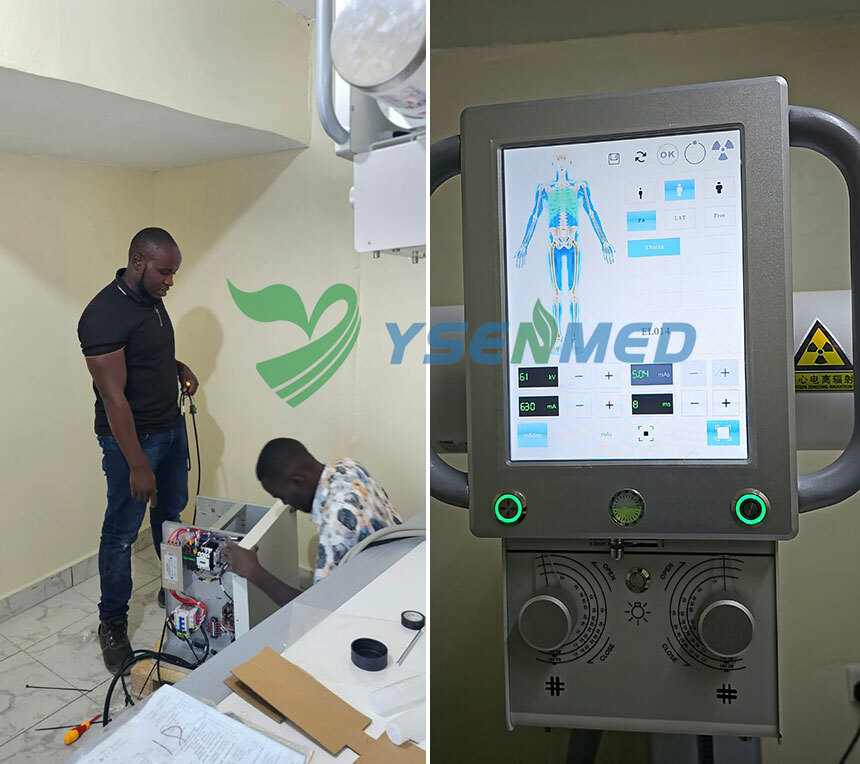
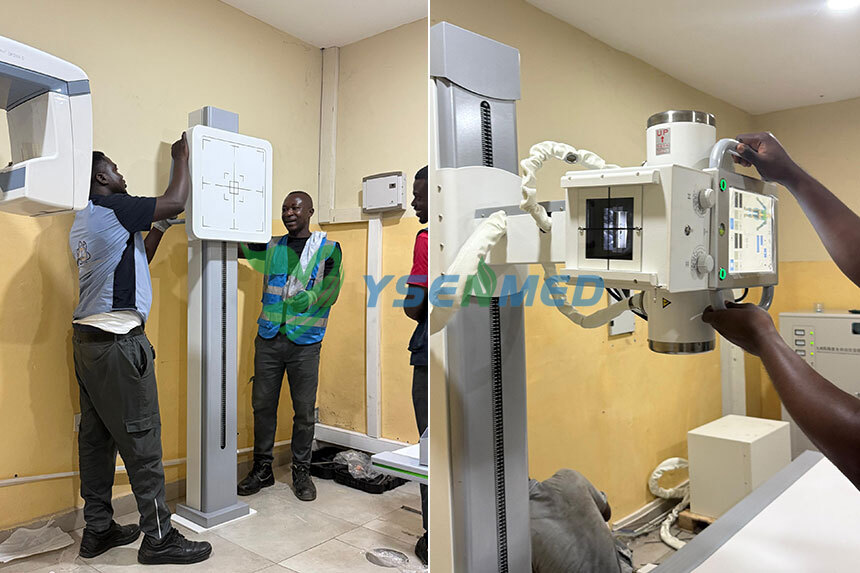
- Develop a comprehensive installation plan encompassing site preparation, electrical requirements, environmental considerations, and compliance with radiation shielding regulations. Coordinate with facility management, construction teams, and regulatory agencies to ensure adherence to safety guidelines and minimize disruption to clinical operations.
- Schedule training sessions for radiology staff, technologists, and support personnel to ensure proficiency in operating the X-ray machine, implementing safety protocols, and performing routine maintenance tasks. Training programs should cover equipment setup, image acquisition techniques, quality assurance procedures, and emergency response protocols to enhance operational readiness and patient safety.
Conclusion
Selecting the right X-ray machine for your medical institution requires careful consideration of imaging requirements, workflow integration, safety compliance, budget considerations, and user preferences. By prioritizing these factors and leveraging expert guidance from radiology consultants and healthcare technology specialists, healthcare providers can make informed decisions that enhance diagnostic capabilities, improve patient outcomes, and optimize operational efficiency. Embrace innovation and collaboration to navigate the complexities of purchasing an X-ray machine, ensuring long-term value and sustainable growth in healthcare delivery.