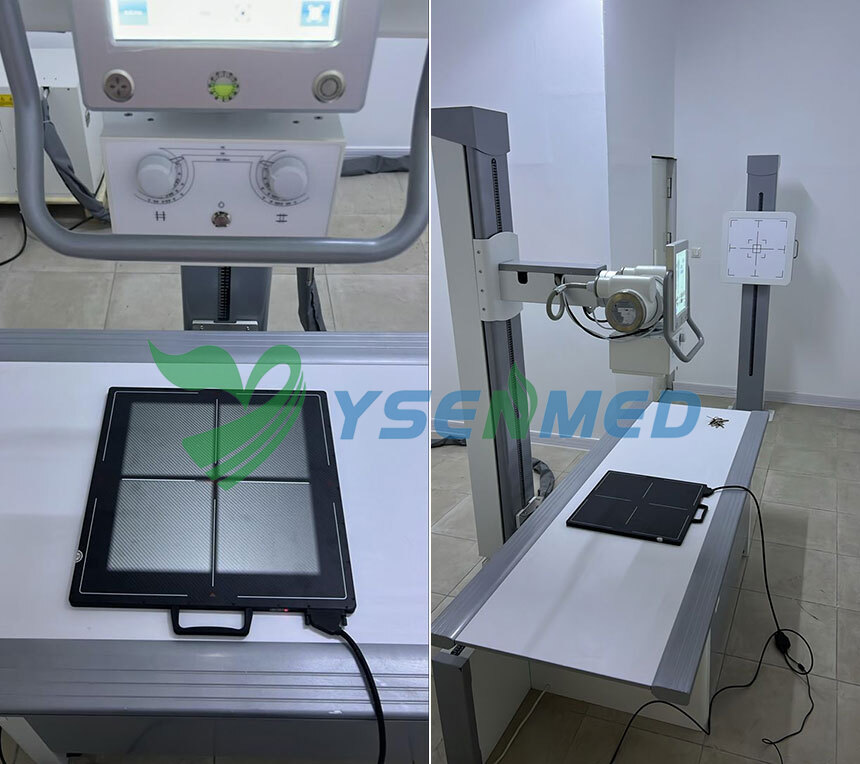
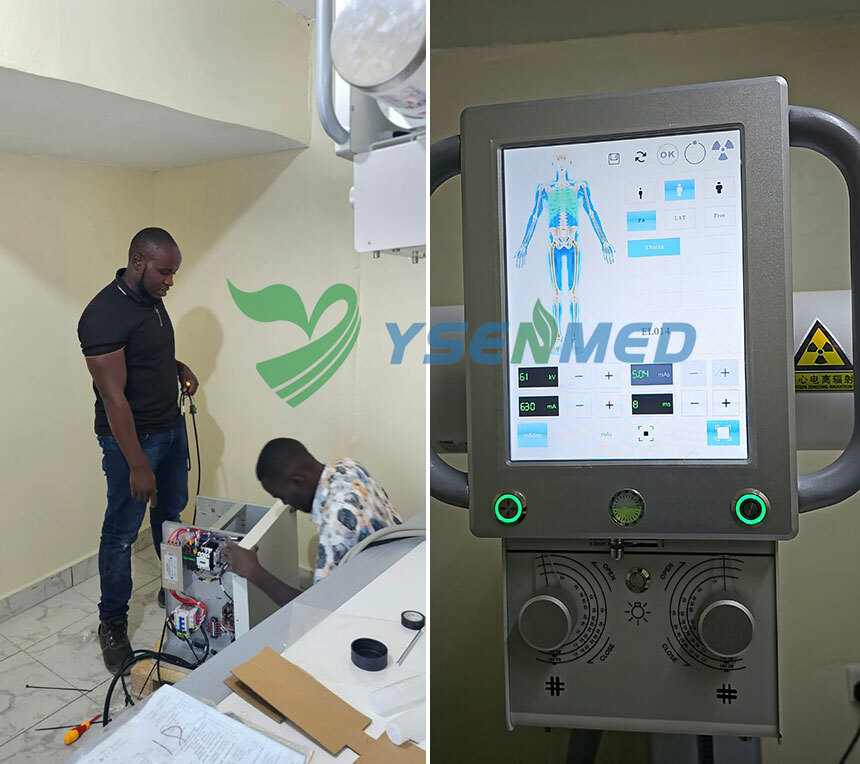
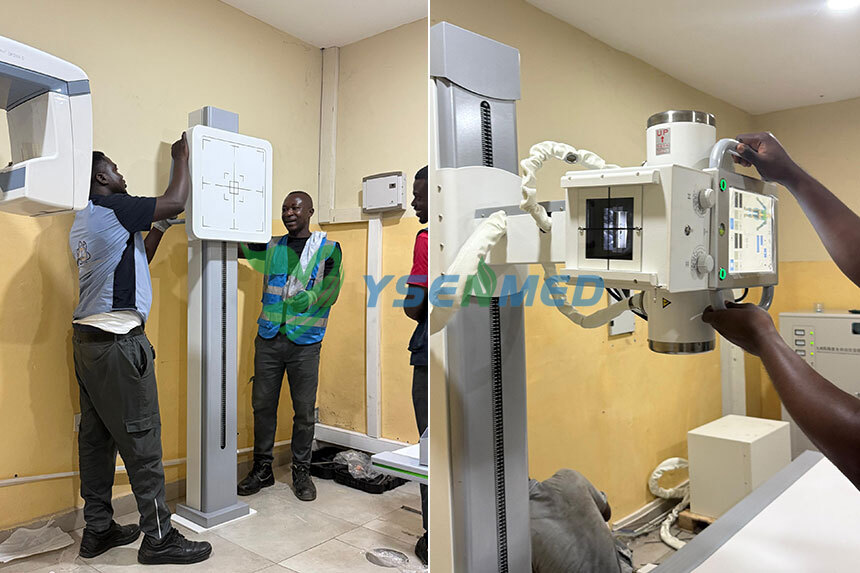
Computed Tomography (CT) scanners have significantly evolved over the decades, transitioning from early single-slice technology to sophisticated multi-slice and dual-energy systems. These advancements have enhanced diagnostic accuracy, reduced scan times, and minimized radiation exposure. However, despite these innovations, CT scanners face several challenges, including cost, accessibility, and technical limitations. This article explores the evolution of CT scanners, the hurdles they encounter, their clinical significance, key selection criteria, pricing factors, and their advantages over traditional radiographic methods. A specific focus is placed on the YSCT-128C Dual-energy CT Scanner, a cutting-edge example of modern CT technology.
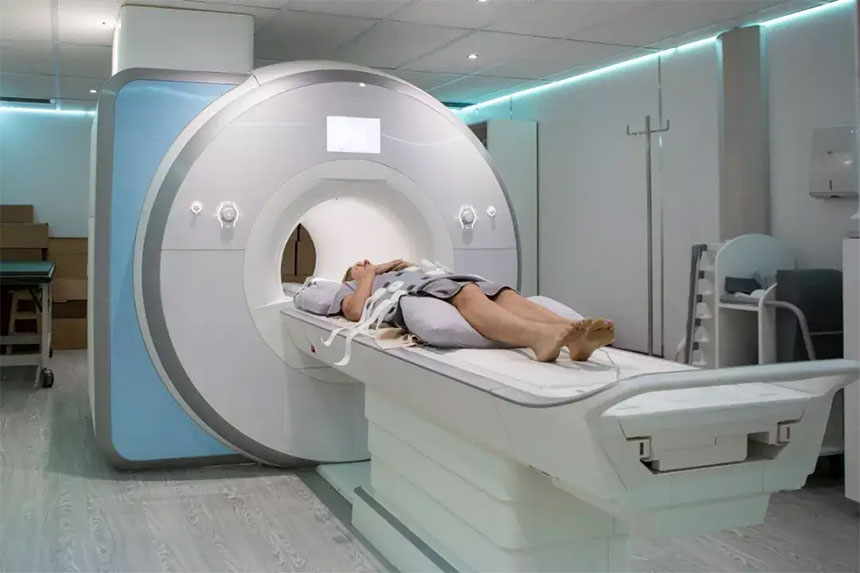
The Evolution of CT Scanners
CT technology has undergone remarkable progress since its invention in the 1970s. Early CT systems were limited in slice count and image resolution, requiring long scan times and delivering higher radiation doses. Over the years, advancements in detector technology, computing power, and image reconstruction techniques have revolutionized CT imaging.
One of the most notable developments is the introduction of dual-energy CT scanners, which use two different X-ray energy levels to differentiate tissues with high precision. These systems provide superior contrast resolution, allowing for improved detection of lesions, reduced metal artifacts, and enhanced material characterization. The YSCT-128C Dual-energy CT Scanner exemplifies these advancements by offering high-speed imaging, lower radiation exposure, and enhanced diagnostic capabilities.
Another significant innovation is artificial intelligence (AI) integration in CT scanners. AI-powered algorithms assist in automated image reconstruction, noise reduction, and anomaly detection, improving workflow efficiency and diagnostic accuracy. Additionally, spectral CT imaging has emerged, providing detailed insights into tissue composition and pathology differentiation, which is especially valuable in oncology and cardiovascular imaging.
Challenges Faced by CT Scanners
Despite the continuous evolution of CT scanners, several challenges must be addressed:
-
High Cost of Acquisition and Maintenance: Modern CT scanners, especially multi-slice and dual-energy models, require substantial investment, making them less accessible for smaller healthcare facilities.
-
Radiation Dose Management: While technological advancements have reduced radiation exposure, optimizing dose levels while maintaining image quality remains a key concern.
-
Data Storage and Processing: High-resolution CT images generate large datasets, necessitating robust storage and processing solutions.
-
Integration with Hospital Systems: Ensuring seamless connectivity with Picture Archiving and Communication Systems (PACS) and Radiology Information Systems (RIS) can be complex.
-
Technological Learning Curve: Radiologists and technicians require continuous training to stay updated with evolving CT scanner functionalities and software upgrades.
-
Patient-Specific Limitations: Factors such as obesity and metal implants can affect scan quality and introduce artifacts.
-
Global Supply Chain and Regulatory Hurdles: Compliance with different international medical standards and supply chain disruptions can impact the availability and affordability of CT scanners.
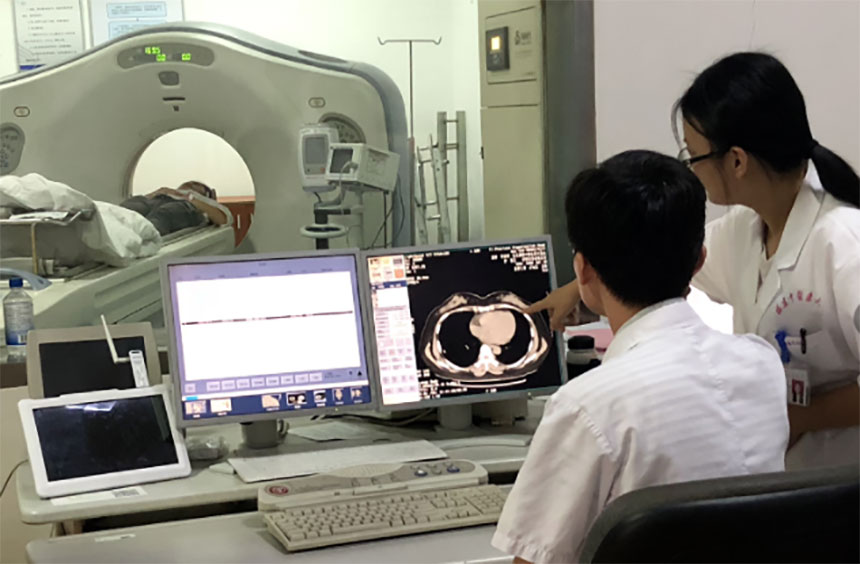
Clinical Significance of CT Scanners
CT scanners play a vital role in modern medicine, offering unparalleled imaging capabilities across various specialties:
-
Oncology: Enables early detection, staging, and monitoring of tumors.
-
Cardiology: Assists in detecting coronary artery disease and planning interventions.
-
Neurology: Essential for diagnosing strokes, brain injuries, and neurodegenerative conditions.
-
Trauma and Emergency Medicine: Provides rapid assessment of fractures, internal bleeding, and organ damage.
-
Pulmonology: Crucial for detecting lung diseases, including COVID-19-related complications.
-
Gastroenterology: Aids in diagnosing liver diseases, pancreatic conditions, and gastrointestinal disorders.
-
Orthopedics: Useful in evaluating bone fractures, joint conditions, and spinal abnormalities.
The YSCT-128C Dual-energy CT Scanner enhances these applications by providing detailed tissue characterization and reducing the need for contrast agents.
Selecting the Right CT Scanner
When choosing a CT scanner, healthcare facilities must consider various factors:
-
Slice Count and Speed: Higher slice counts allow for faster scans and improved resolution.
-
Energy Level Capabilities: Dual-energy CT offers superior diagnostic accuracy.
-
Radiation Dose Reduction Features: Technologies such as iterative reconstruction help minimize exposure.
-
Software and AI Integration: Advanced post-processing tools enhance diagnostic efficiency.
-
Patient Comfort and Accessibility: Bore size and scan speed impact patient experience.
-
Cost and Maintenance Needs: Balancing upfront costs with long-term operational expenses is crucial.
-
Specialized Applications: Some CT scanners are designed for specific fields such as dental imaging, veterinary applications, or portable use.
Factors Influencing CT Scanner Pricing
The cost of a CT scanner is influenced by multiple elements:
-
Technology and Features: Advanced features, such as dual-energy imaging and AI-enhanced software, increase costs.
-
Brand and Manufacturer: Established brands often command higher prices due to reliability and service support.
-
Detector Type and Image Quality: Higher-end detectors offer superior resolution but come at a premium.
-
Operational and Maintenance Costs: Regular servicing, software updates, and replacement parts add to overall expenses.
-
Regulatory Approvals and Compliance: Meeting international medical standards affects pricing.
-
Market Demand and Competition: Pricing varies based on regional market conditions and competitor offerings.
Advantages of CT Scanners Over Traditional Radiography
Compared to conventional X-ray systems, CT scanners offer numerous benefits:
-
Superior 3D Imaging: CT provides cross-sectional images, enabling detailed anatomical visualization.
-
Higher Diagnostic Accuracy: Detects abnormalities that standard X-rays may miss.
-
Faster and More Comprehensive Scanning: Multi-slice CT enables whole-body imaging in seconds.
-
Reduced Need for Invasive Procedures: Minimizes the necessity for exploratory surgeries.
-
Advanced Tissue Differentiation: Dual-energy CT enhances contrast resolution.
-
Improved Detection of Soft Tissue Abnormalities: CT imaging is superior in identifying tumors, vascular diseases, and organ damage.
-
Greater Versatility: CT scanners are widely used across multiple medical disciplines, from oncology to cardiology and orthopedics.
Future Trends in CT Imaging
The future of CT technology is poised for further advancements, including:
-
AI-Driven Automation: Machine learning models will continue to improve diagnostic speed and accuracy.
-
Photon-Counting Detectors: Emerging detector technology promises better image resolution and lower radiation doses.
-
Portable and Low-Cost CT Scanners: Efforts are being made to develop affordable and mobile CT solutions for resource-limited settings.
-
Hybrid Imaging Systems: Combining CT with PET or MRI for enhanced multi-modal imaging applications.
-
Personalized Imaging Protocols: AI-powered systems will tailor scanning protocols to individual patient needs, optimizing diagnostic precision and radiation safety.
Conclusion
CT scanners have revolutionized medical imaging, offering unparalleled diagnostic capabilities and improving patient outcomes. Despite existing challenges, ongoing advancements in technology, AI integration, and cost-efficiency strategies continue to enhance CT scanner performance and accessibility. The YSCT-128C Dual-energy CT Scanner exemplifies the future of imaging, combining high precision, low radiation exposure, and versatility across multiple medical fields.
For cutting-edge CT scanner solutions, including dual-energy CT scanners and X-ray systems, visit Yueshen Medical Equipment Limited to explore our latest innovations.