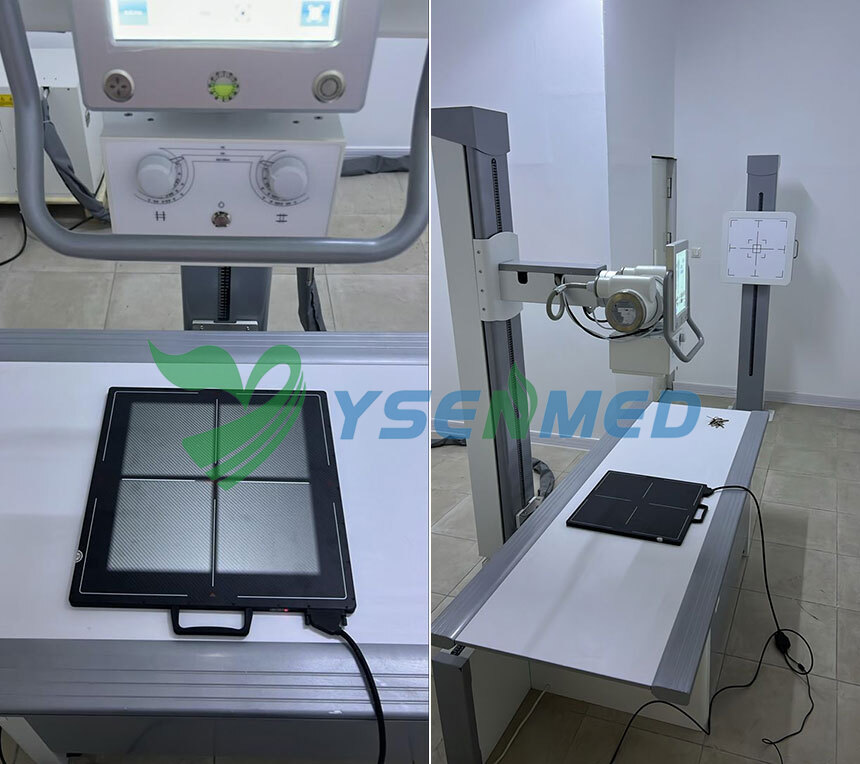
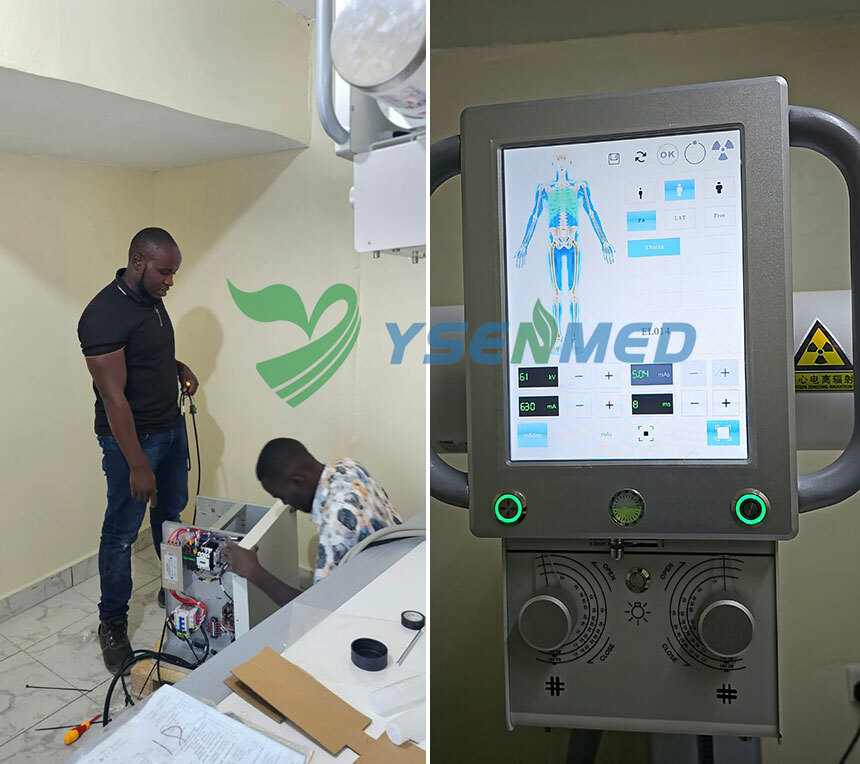
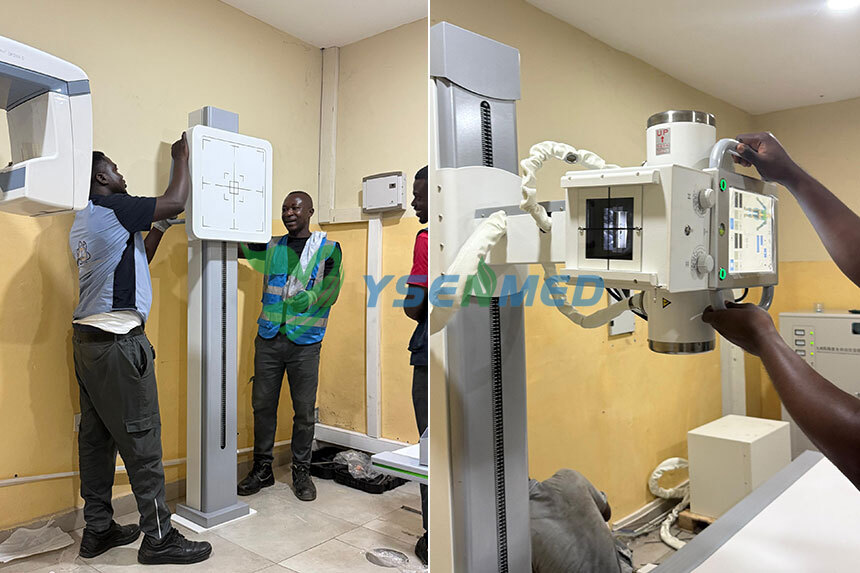
Flat Panel Detectors (FPDs) have revolutionized digital radiography by offering superior image quality, faster processing times, and enhanced diagnostic accuracy compared to conventional film-based and computed radiography (CR) systems. The evolution of FPD technology has significantly impacted medical imaging, enabling real-time diagnosis with reduced radiation exposure. However, despite these advancements, FPDs face various challenges, including high costs, technical limitations, and integration issues. This article explores the evolution of Flat Panel Detectors, their clinical significance, key selection criteria, pricing determinants, and their advantages over traditional radiographic methods.
Evolution of Flat Panel Detectors
The transition from film-based radiography to digital radiography began with the introduction of Computed Radiography (CR) in the 1980s. While CR provided a digital alternative to film, it still required an intermediary phosphor plate for image capture. The development of Flat Panel Detectors marked a significant leap in imaging technology by eliminating the need for cassettes and enabling direct digital image acquisition.
Modern FPDs are categorized into two types: Wired Flat Panel Detectors and Wireless Flat Panel Detectors. Wired FPDs are typically used in stationary X-ray systems where continuous power supply and data transfer stability are required. Wireless FPDs offer greater flexibility and mobility, making them ideal for emergency rooms, intensive care units, and mobile radiography applications. Mammography Flat Panel Detectors, specifically designed for breast imaging, provide high-resolution images crucial for early cancer detection.
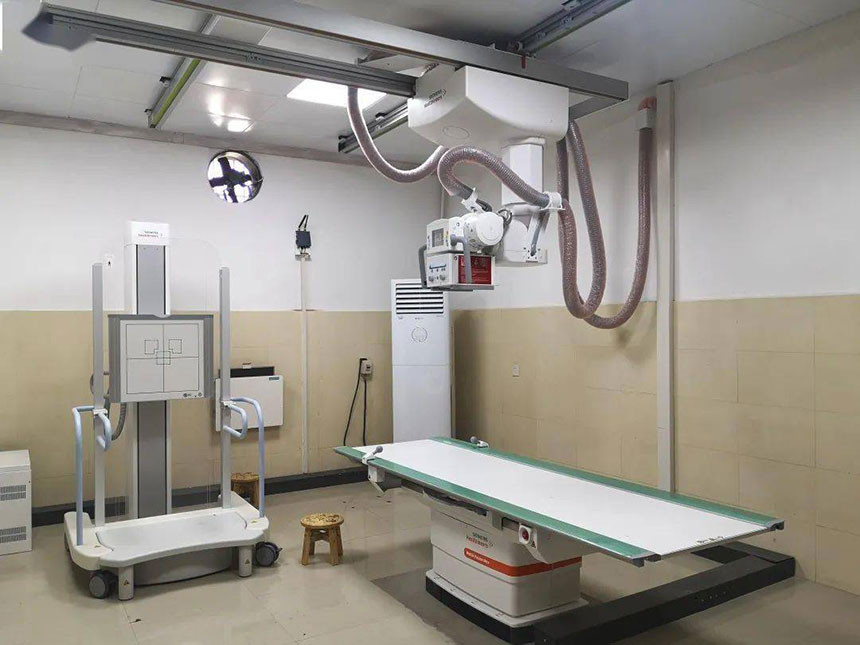
Challenges Facing Flat Panel Detectors
Despite their numerous advantages, Flat Panel Detectors encounter several challenges that affect their widespread adoption and efficiency:
-
High Initial Investment: The cost of FPD technology remains a significant barrier, particularly for smaller healthcare facilities.
-
Durability and Maintenance: Regular maintenance, software updates, and occasional detector replacements contribute to operational costs.
-
Radiation Dose Management: While FPDs optimize radiation exposure, maintaining a balance between dose reduction and image clarity is challenging.
-
Technical Training: Radiology staff require specialized training to operate and maintain FPD-based imaging systems effectively.
-
Compatibility with Existing Systems: Integrating FPDs with hospital information systems (HIS) and Picture Archiving and Communication Systems (PACS) can be complex and costly.
-
Data Security and Storage: As digital imaging systems handle sensitive patient data, ensuring cybersecurity and adequate storage capacity is crucial.
-
Battery Life for Wireless Detectors: Wireless FPDs require frequent charging and robust battery management to ensure uninterrupted operation.
Clinical Significance of Flat Panel Detectors
Flat Panel Detectors have transformed medical diagnostics by providing superior imaging capabilities. Their clinical significance includes:
-
Higher Image Quality: FPDs offer improved contrast resolution, enabling better detection of fractures, tumors, and soft tissue abnormalities.
-
Faster Image Acquisition: Digital images are instantly available, reducing patient wait times and increasing workflow efficiency.
-
Lower Radiation Exposure: FPDs require less radiation compared to film and CR systems, enhancing patient safety.
-
Enhanced Remote Access: Wireless FPDs facilitate telemedicine applications by enabling remote image transmission and consultation.
-
Broader Application in Medical Imaging: FPDs are used in general radiography, fluoroscopy, dental imaging, and veterinary radiography, expanding their clinical utility.
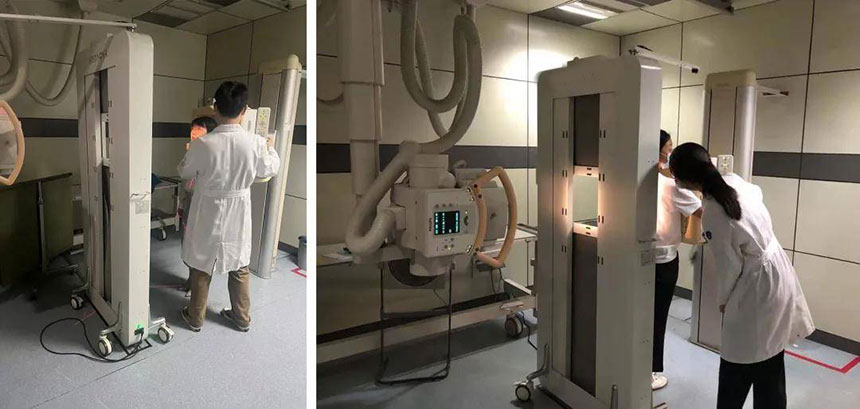
Choosing the Right Flat Panel Detector
Selecting the appropriate Flat Panel Detector depends on various factors, including clinical requirements, workflow efficiency, and budget considerations. Key selection criteria include:
-
Detector Technology: Amorphous silicon (a-Si) and cesium iodide (CsI) detectors offer varying levels of sensitivity and image quality.
-
Wired vs. Wireless: Wired FPDs provide stable data transfer, while Wireless Flat Panel Detectors offer greater flexibility.
-
Detector Size and Resolution: Larger detectors are suitable for general radiography, while high-resolution detectors are preferred for mammography and specialized imaging.
-
Portability: Mobile FPDs enhance usability in emergency and bedside applications.
-
Integration Capabilities: Compatibility with existing PACS, RIS, and HIS systems ensures seamless workflow integration.
-
Image Processing Capabilities: Advanced noise reduction and AI-based image enhancement features contribute to diagnostic accuracy.
-
Battery Performance for Wireless Models: Longer battery life and fast charging capabilities improve operational efficiency.
Factors Influencing Flat Panel Detector Prices
The pricing of Flat Panel Detectors varies based on several key factors:
-
Technology and Performance: High-resolution detectors with advanced noise reduction and image enhancement features are more expensive.
-
Detector Type: Wireless Flat Panel Detectors tend to be costlier than wired models due to added mobility and connectivity features.
-
Brand and Manufacturer: Established brands with proven reliability often command higher prices.
-
Durability and Warranty: Longer warranty periods and extended service contracts add to the overall cost.
-
Regulatory Approvals: FPDs that meet FDA, CE, and other international safety standards may have higher price points.
-
Customization and Software Features: Advanced imaging software, AI-based diagnostic assistance, and cloud connectivity can increase costs.
-
Supply Chain and Component Availability: The availability of essential raw materials and manufacturing efficiency influence final pricing.
Advantages of Flat Panel Detectors Over Traditional Radiography
Flat Panel Detectors offer several advantages over traditional X-ray systems, making them the preferred choice in modern medical imaging:
-
Elimination of Film Processing: Unlike traditional radiography, FPDs do not require chemical processing, reducing environmental impact.
-
Improved Workflow Efficiency: Instant digital image acquisition allows for faster diagnosis and reduced patient turnaround time.
-
Greater Versatility: FPDs can be used in various applications, including general radiography, fluoroscopy, and mammography.
-
Enhanced Image Storage and Sharing: Digital images can be easily stored, retrieved, and shared through PACS and cloud-based systems.
-
Better Diagnostic Accuracy: AI-enhanced FPDs improve early disease detection and reduce diagnostic errors.
-
Compact Design and Mobility: Modern FPDs are lightweight, making them suitable for mobile imaging applications.
-
Long-Term Cost Savings: While the initial investment is high, the elimination of film, chemicals, and processing time results in lower long-term costs.
Conclusion
Flat Panel Detectors represent a significant advancement in digital radiography, offering improved image quality, reduced radiation exposure, and enhanced workflow efficiency. Despite the challenges related to cost, maintenance, and system integration, their benefits far outweigh these drawbacks. As technology continues to evolve, the future of Flat Panel Detectors will likely see further enhancements in AI-driven image analysis, increased affordability, and improved accessibility for healthcare institutions worldwide.
For high-quality Flat Panel Detectors, including Wired Flat Panel Detectors, Wireless Flat Panel Detectors, and Mammography Flat Panel Detectors, visit Yueshen Medical Equipment Limited to explore our latest innovations in digital imaging technology.