In the critical world of neonatal healthcare, Transport Incubators play a pivotal role in ensuring that premature or critically ill newborns receive continuous thermal support and vital monitoring during transportation. Whether moving a fragile infant from a delivery room to a neonatal intensive care unit (NICU), or transferring them between hospitals, the safe and stable environment provided by a transport incubator is often the key to survival.
In this article, we delve deeply into what transport incubators are, how they function, their core features, technological innovations, safety considerations, and the global standards regulating their use. We will also explore why choosing the right transport incubator is essential for hospital and ambulance services worldwide.
Discover YSENMED’s comprehensive selection of transport incubators here.
What is a Transport Incubator?
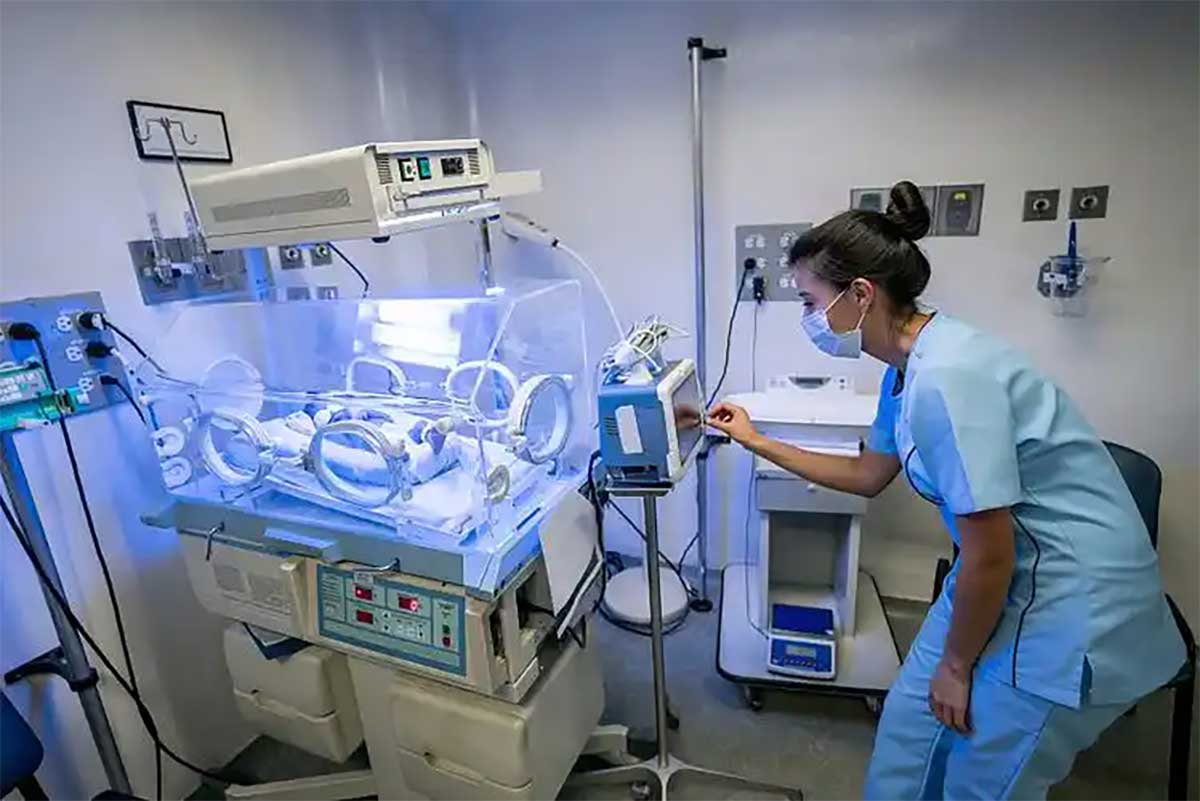
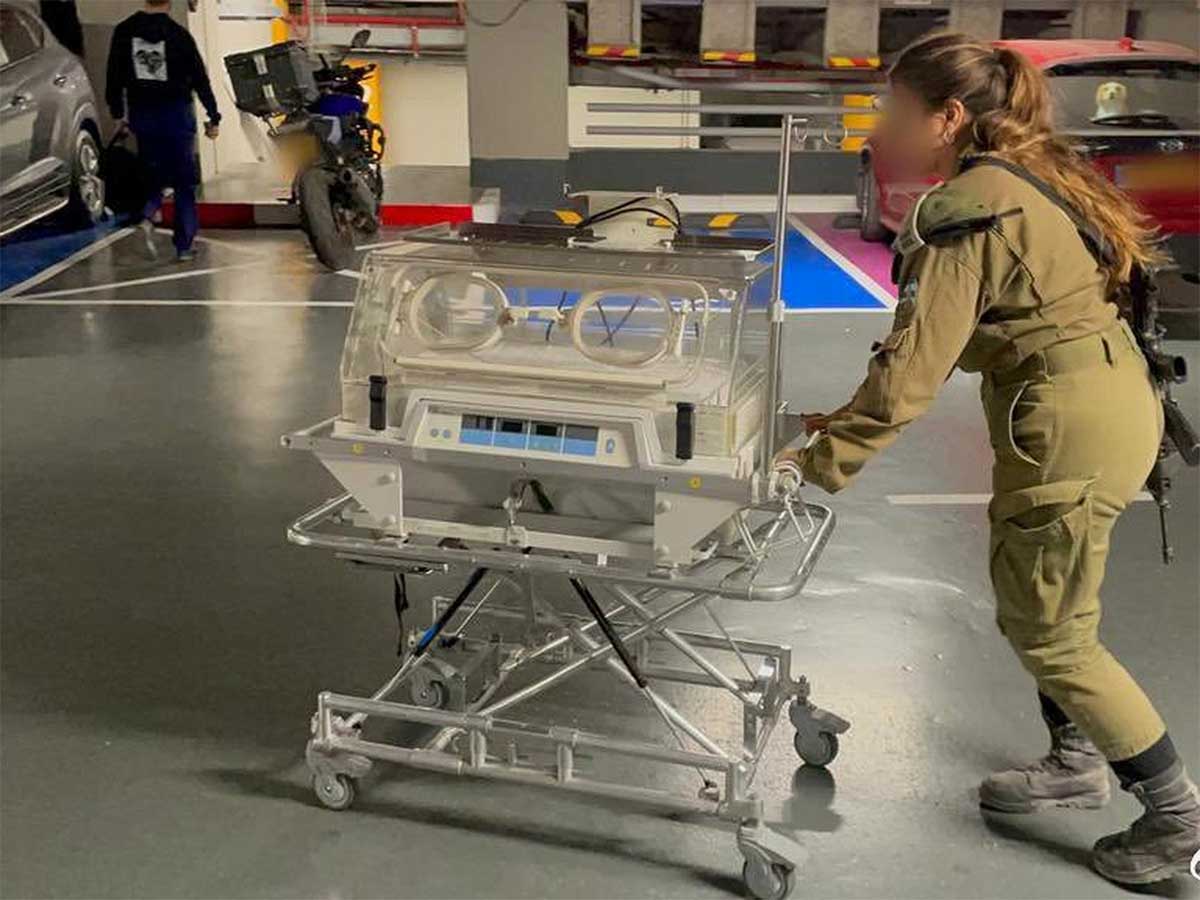
A Transport Incubator is a specialized medical device designed to provide a controlled, thermally regulated environment for newborns during transit. Unlike standard incubators used within NICUs, transport incubators are mobile, compact, rugged, and equipped to maintain essential life-supporting conditions even while on the move.
Transport incubators ensure stability in critical factors such as:
-
Temperature
-
Humidity
-
Oxygen levels
-
Ventilation
-
Vital signs monitoring
They also protect neonates from external factors such as vibrations, shocks, and environmental temperature fluctuations.
Why Are Transport Incubators Important?
Premature and critically ill newborns are vulnerable to temperature instability, hypoxia, and infections. Any disruption in their delicate environment can lead to serious complications or mortality. Transport incubators serve multiple essential purposes:
-
Thermal Regulation: Prevent hypothermia, which is a significant risk for neonates.
-
Continuous Monitoring: Track vital signs like heart rate, respiration, and oxygen saturation during transport.
-
Mobility: Allow movement within hospital departments or between facilities without compromising infant care.
-
Emergency Preparedness: Equipped with backup systems to handle power failures or mechanical issues.
Main Components and Features of a Transport Incubator
Modern transport incubators are highly sophisticated. Key components typically include:
1. Heating System
Maintains a constant internal temperature using convection or radiant heat sources.
2. Humidification System
Regulates humidity to maintain appropriate levels, preventing dehydration and maintaining skin integrity.
3. Ventilation Support
Advanced models integrate ventilators, CPAP (Continuous Positive Airway Pressure) systems, or oxygen blenders to assist breathing.
4. Monitoring Systems
Display real-time data for temperature, heart rate, respiratory rate, blood oxygen saturation (SpO₂), and carbon dioxide levels.
5. Safety Systems
Built-in alarms for temperature deviations, system failures, or low battery power.
6. Shock Absorption
Anti-vibration and shock absorption technologies protect the infant during road or air transport.
7. Power Supply
8. Construction
-
Lightweight, durable frames made from materials like polycarbonate and aluminum.
-
Easy access ports for medical interventions without opening the incubator.
Different Types of Transport Incubators
Depending on the transport conditions and patient needs, several types of transport incubators are available:
How Transport Incubators Work
Transport incubators replicate the controlled conditions of a neonatal intensive care unit, adapted for a mobile context:
-
Preheating: The incubator is heated before the neonate is placed inside.
-
Patient Preparation: The infant is placed on a soft mattress, secured with gentle straps.
-
Continuous Monitoring: Sensors track vital signs, displayed on integrated monitors.
-
Environmental Adjustments: Automated systems adjust heat, oxygen, and humidity based on real-time feedback.
-
Mobility: Mounted securely onto transport stretchers, the incubator withstands motion, vibrations, and shocks.
-
Alarm Systems: Any deviation from set parameters triggers visual and audible alarms for immediate medical response.
Standards and Certifications for Transport Incubators
Transport incubators must meet strict global regulations and standards to ensure neonatal safety:
-
ISO 13485: Medical devices quality management systems.
-
IEC 60601-2-20: Particular requirements for the basic safety and essential performance of transport incubators.
-
FDA Approval (USA): Compliance with U.S. Food and Drug Administration standards.
-
CE Marking (EU): Compliance with European Medical Device Regulations (MDR).
These certifications ensure that the incubators are safe, effective, and reliable during transit.
Safety Considerations for Using Transport Incubators
-
Pre-Transport Checklists: Regularly inspect all systems before initiating transport.
-
Battery Checks: Ensure full battery charge for extended transport duration.
-
Backup Plans: Prepare alternative respiratory support if ventilator systems fail.
-
Environmental Control: Monitor external conditions during transit (especially for air transport).
-
Training: Only trained personnel should operate transport incubators.
Innovations in Transport Incubators
Recent technological advancements have made transport incubators more effective and user-friendly:
-
Remote Monitoring: Wireless transmission of vital signs to receiving hospitals.
-
Lightweight Models: Easier handling and reduced stress during rapid movements.
-
Integrated Smart Ventilators: Automated respiratory adjustments based on the baby’s condition.
-
Eco-friendly Designs: More efficient power usage and reduced emissions.
Maintenance and Lifecycle Management
Maintaining a transport incubator is essential for patient safety:
-
Daily Checks: Inspect heating elements, ventilators, batteries, and monitors.
-
Scheduled Servicing: Professional maintenance every 6–12 months.
-
Software Updates: Apply manufacturer software updates to enhance functionality and security.
-
Parts Replacement: Replace worn-out parts like seals, batteries, or control panels promptly.
Proper maintenance ensures longevity, optimal performance, and consistent compliance with medical standards.
Choosing the Right Transport Incubator
When selecting a transport incubator, healthcare providers should consider:
-
Patient Needs: Premature infants vs. full-term newborns with specific respiratory conditions.
-
Transport Type: Road, air, or within-hospital movement.
-
Duration of Transport: Short intra-hospital vs. long inter-facility transfers.
-
Equipment Compatibility: Ventilator systems, monitor integration, oxygen supply.
-
Regulatory Compliance: Ensure certification and testing according to destination regulations.
Partnering with a reliable supplier like YSENMED ensures access to certified, cutting-edge transport incubators tailored for critical neonatal care needs.
Explore our Transport Incubator Collection here.
Conclusion
Transport incubators are essential medical devices that provide life-saving support to the most vulnerable patients: newborn infants. In a world where minutes can make the difference between life and death, ensuring a stable and controlled environment during transport is non-negotiable.
With advanced features, stringent safety standards, and ongoing innovations, modern transport incubators continue to evolve, helping healthcare providers save countless neonatal lives every day.
If your hospital, clinic, or emergency service needs reliable and top-tier transport incubators, trust YSENMED’s expertise and technology to support your most critical missions.