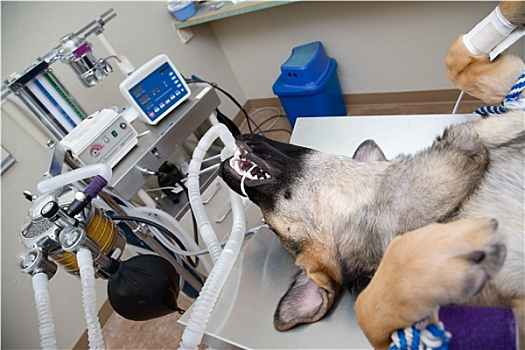
Veterinary anesthesia machines are specialized medical devices designed to administer anesthetic gases to animals undergoing surgical procedures or other medical treatments requiring sedation. These machines ensure the safe and controlled delivery of anesthesia, preventing pain and distress while maintaining vital functions. Veterinary anesthesia machines are an essential component in veterinary clinics, hospitals, research laboratories, and zoos.
Unlike human anesthesia machines, veterinary models are tailored to accommodate animals of various sizes, from small rodents to large livestock. These machines incorporate precise control mechanisms to regulate gas flow, ensuring the correct dosage according to the animal's weight and condition.
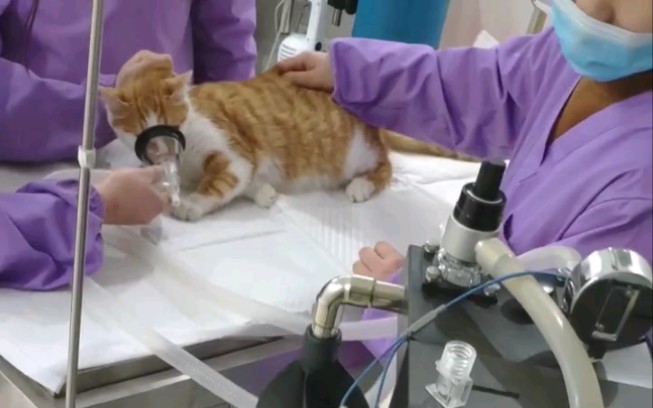
How Veterinary Anesthesia Machines Work
Veterinary anesthesia machines operate by delivering a controlled mixture of oxygen and anesthetic agents to the patient. The key components of a veterinary anesthesia machine include:
-
Oxygen Supply: An external oxygen source, such as an oxygen cylinder or centralized supply, provides the necessary oxygen for the patient.
-
Flowmeter: This device controls and measures the amount of oxygen being delivered to the animal.
-
Vaporizer: A crucial part of the system, the vaporizer converts liquid anesthetic agents (such as isoflurane or sevoflurane) into a gas that can be inhaled by the patient.
-
Breathing Circuit: The system of tubes and valves that deliver the anesthetic gas mixture to the animal and allow exhaled gases to be removed or recirculated.
-
Scavenging System: This component ensures that excess anesthetic gases do not accumulate in the operating room, preventing exposure to veterinary staff.
-
Ventilation System (Optional): Some advanced veterinary anesthesia machines include a ventilator for assisting animals that cannot breathe independently.
Applications of Veterinary Anesthesia Machines
Veterinary anesthesia machines are used in various settings, including:
-
Surgical Procedures: Used in routine and complex surgeries such as spaying, neutering, orthopedic procedures, and tumor removals.
-
Dental Treatments: Many veterinary dental procedures, including tooth extractions and deep cleanings, require anesthesia.
-
Diagnostic Imaging: MRI, CT scans, and X-rays often require animals to remain still, necessitating sedation or anesthesia.
-
Emergency Care: Critical cases, such as trauma or severe illnesses, may require anesthesia for life-saving interventions.
-
Research and Laboratory Work: Used in veterinary research to ensure humane treatment and minimal distress to animals undergoing medical studies.
-
Zoo and Wildlife Medicine: Large and exotic animals require anesthesia for medical assessments, transportation, and surgical interventions.
Advantages of Veterinary Anesthesia Machines
-
Enhanced Safety: Modern machines are equipped with advanced monitoring systems, ensuring proper anesthesia levels and preventing complications.
-
Precision Dosage Control: Vaporizers and flowmeters allow for accurate anesthetic gas delivery based on the animal’s weight and condition.
-
Reduced Stress and Pain: Anesthesia ensures animals remain unconscious and free from pain during procedures.
-
Adaptability: Machines can accommodate animals of different sizes, from small pets to large farm animals.
-
Improved Surgical Outcomes: Proper anesthesia ensures optimal conditions for surgical interventions, reducing the risk of complications.
-
Ease of Operation: Many modern machines are designed with user-friendly interfaces, allowing veterinarians to efficiently adjust settings and monitor the patient.
-
Cost-Effectiveness: Investing in a high-quality veterinary anesthesia machine can reduce the overall cost of veterinary care by minimizing anesthesia-related complications and optimizing surgical success rates.
Operating a Veterinary Anesthesia Machine
Step-by-Step Procedure
-
Pre-Anesthesia Preparation
-
Conduct a thorough pre-anesthetic assessment of the patient, including medical history, weight, and physical condition.
-
Ensure all necessary equipment, such as oxygen cylinders, vaporizers, and breathing circuits, is set up and functional.
-
Choose the appropriate anesthetic agent (e.g., isoflurane or sevoflurane).
-
Establish IV access for emergency drug administration if required.
-
Induction Phase
-
Administer pre-anesthetic drugs (sedatives, analgesics) if required.
-
Use an induction chamber or intravenous drugs to initiate anesthesia before switching to the machine.
-
Secure an endotracheal tube or mask to deliver anesthetic gases directly to the patient.
-
Confirm proper tube placement by checking for breath sounds and monitoring exhaled CO2 levels.
-
Maintenance Phase
-
Adjust the vaporizer and oxygen flow to maintain the required level of anesthesia.
-
Continuously monitor vital signs, including heart rate, respiratory rate, and oxygen saturation.
-
Keep track of anesthesia depth and adjust as necessary.
-
Administer intraoperative analgesia if needed.
-
Recovery Phase
-
Gradually decrease the anesthetic gas concentration and increase oxygen delivery.
-
Monitor the patient until it regains consciousness and normal physiological functions.
-
Provide post-anesthetic care and pain management if needed.
-
Ensure the animal is placed in a warm, quiet recovery area with minimal stress.
Important Safety Considerations
-
Monitoring Vital Signs
-
Use monitoring equipment such as pulse oximeters, capnography, and ECG to track the animal's condition.
-
Observe for signs of distress, irregular breathing, or sudden changes in heart rate.
-
Proper Maintenance of Equipment
-
Regularly inspect and clean the anesthesia machine, checking for leaks or malfunctions.
-
Ensure vaporizers are filled with the correct anesthetic agent and calibrated properly.
-
Replace breathing circuits and filters as recommended by the manufacturer.
-
Scavenging of Waste Anesthetic Gases
-
Emergency Preparedness
-
Have emergency drugs and resuscitation equipment readily available in case of anesthesia-related complications.
-
Train veterinary staff on emergency procedures, including CPR and mechanical ventilation support.
Choosing the Right Veterinary Anesthesia Machine
When selecting a veterinary anesthesia machine, consider the following factors:
-
Animal Size and Species: Ensure the machine can accommodate the range of animals treated at the facility.
-
Portability: Mobile or compact machines may be preferable for fieldwork or small clinics.
-
Advanced Monitoring Features: Machines with integrated monitoring systems improve patient safety.
-
Ease of Use: User-friendly interfaces and simple maintenance requirements enhance operational efficiency.
-
Budget and Durability: Consider long-term reliability and cost-effectiveness.
-
Compatibility with Ventilators: Some procedures require ventilator support for assisted breathing.
Conclusion
Veterinary anesthesia machines are indispensable in modern veterinary medicine, allowing safe and effective sedation of animals for various medical procedures. By ensuring controlled anesthesia delivery, these machines improve surgical outcomes, minimize stress, and enhance overall veterinary care. With proper use, maintenance, and safety protocols, veterinary professionals can optimize patient care while ensuring a safe working environment. Investing in a high-quality veterinary anesthesia machine is essential for any veterinary practice, research facility, or wildlife conservation center.
If you are looking for a reliable veterinary anesthesia machine, consider checking out our latest model: Veterinary Anesthesia Machine YSAV700. Our product offers superior performance, safety, and precision for veterinary professionals worldwide.